







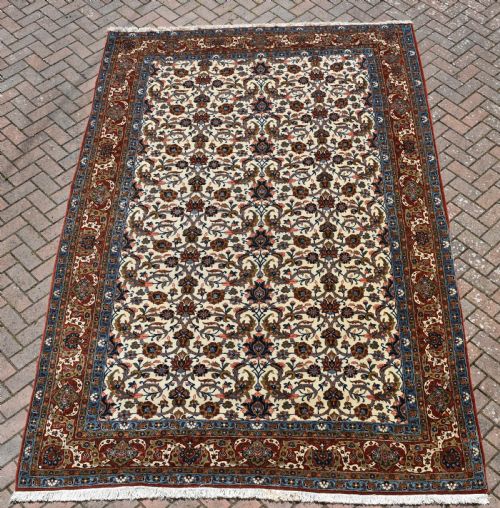
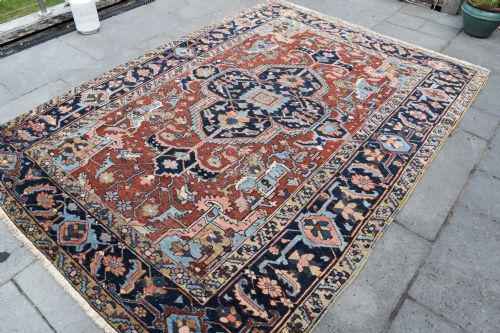
Antique Roomsize Rug
An antique roomsize rug anchors a large interior with genuine historic character, offering generous floor coverage woven in wool and cotton.
Antique Roomsize Rug
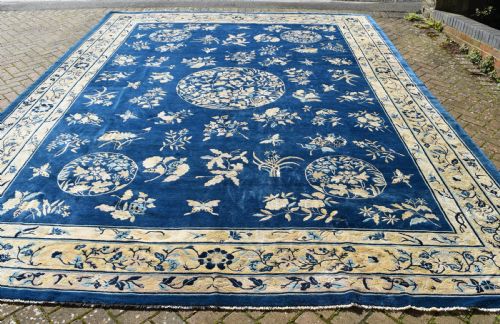
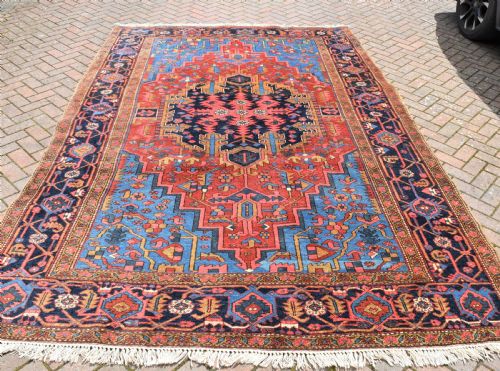
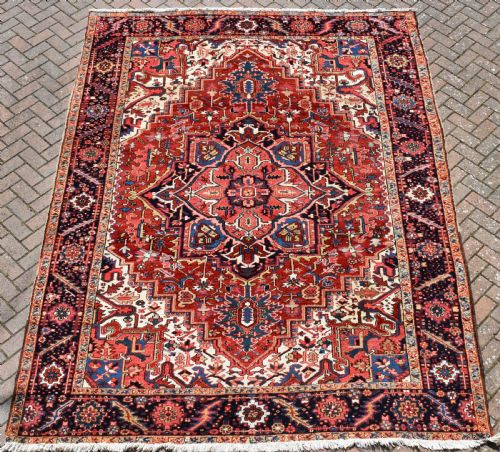
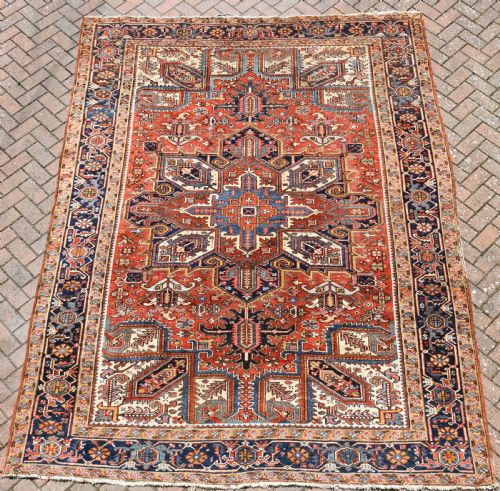
An antique roomsize rug provides substantial floor coverage designed for principal rooms, appearing frequently in Persian and Chinese styles across this selection. These large floor coverings range from square formats to elongated carpets suited to grand spaces.
The material evidence points heavily to Persian workshops, with specific regional types such as Heriz, Kirman, Tabriz, Ferahan, and Qum appearing alongside Chinese Peking and Art Deco examples. Such pieces span dates from the late nineteenth century through to the 1930s.
Buyers encountering this selection will find roomsize carpets constructed primarily in wool pile on cotton foundations, reflecting the traditional manufacturing methods of their respective origins.
How they were made
The construction relies on a sturdy cotton foundation that carries a dense wool pile, knotted by hand to withstand generations of domestic use. This combination of materials provides both structural stability and a soft underfoot texture.
Weavers utilised traditional hand-knotting techniques to execute intricate regional designs, translating complex geometric and floral patterns into durable floor coverings. The tension of the weave and the quality of the wool determine how the pile responds to light and wear.
Antique Roomsize Rug Retail Price Guide 2026
Typical asking prices for roomsize rug among the pieces listed under this phrase on Sellingantiques today, from the lower quarter to the upper quarter. They describe what is for sale here now, not the wider market.
Some nineteenth-century weavers included minute intentional asymmetries in their borders to ward off the evil eye.
What varies in quality
The refinement of the knotting and the precision of the design execution distinguish the finer examples from simpler commercial production. Regional origins such as Hajji Jalili or specific weaving centres often indicate a higher degree of artistic elaboration.
The handling of the wool material and the depth of the palette contribute significantly to the visual impact of each carpet. Subtle variations in dye saturation and the complexity of the border patterns elevate certain roomsize rugs above standard utilitarian pieces.
Hajji Jalili
The Antique Roomsize Rug Glossary
- Foundation
- The underlying structure of a rug, typically composed of warp and weft threads made of cotton in these examples.
- Pile
- The upright yarn loops or cut ends that form the soft surface of the carpet, predominantly woven in wool.
- Heriz
- A style of Persian carpet known for bold geometric medallions and robust structural qualities, originating from the Heris region.
- Kirman
- A Persian weaving tradition associated with detailed floral compositions and refined coloration, originating from south-central Iran.
- Tabriz
- A historic Persian centre of carpet production famous for varied pictorial and classical medallion designs.
Antique Roomsize Rug: Frequently Asked Questions
How do I clean an antique roomsize rug?
Professional specialist cleaning remains essential for historic wool and cotton rugs to prevent fibre degradation and dye bleeding.
Regular gentle vacuuming without a beater bar helps remove everyday dust from the pile safely.
Where should I place an antique roomsize rug?
These large formats suit principal reception rooms, dining spaces, or bedrooms where substantial floor coverage is required.
Positioning the rug to allow furniture to sit partially or fully upon it helps anchor the room layout.
How do I tell a Heriz rug apart?
Heriz carpets typically display bold geometric medallions, large corner spandrels, and robust, sturdy proportions.
Their distinct structural appearance separates them from the finer floral curves seen in Kirman or Tabriz weaves.
What underlay should I use?
A breathable, high-friction mesh underlay prevents the rug from slipping on smooth wooden or tiled floors.
This protective layer also reduces friction between the cotton foundation and the floorboards beneath.