




Antique Rococo Box
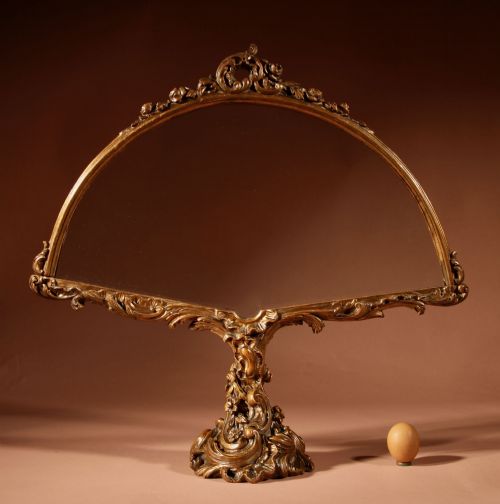
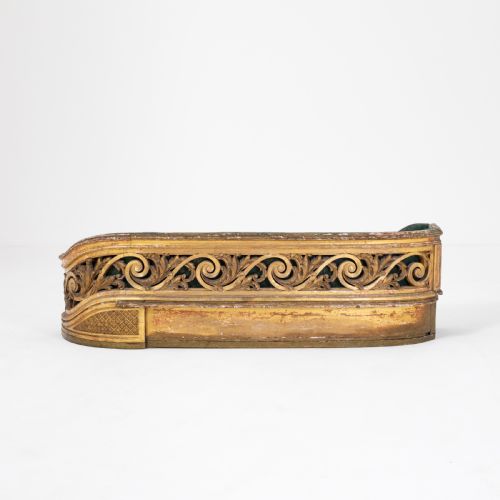
An antique rococo box brings asymmetrical scrollwork, floral motifs and heavy gilding to a dressing table or desk.
Antique Rococo Box
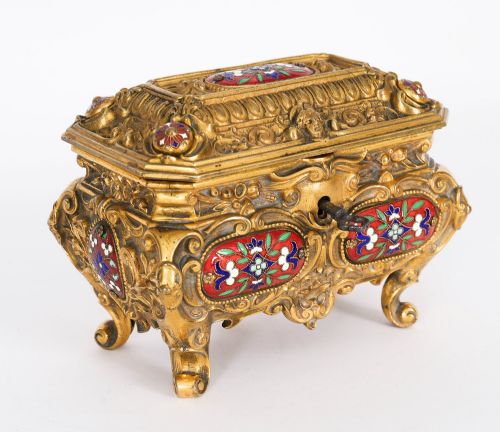
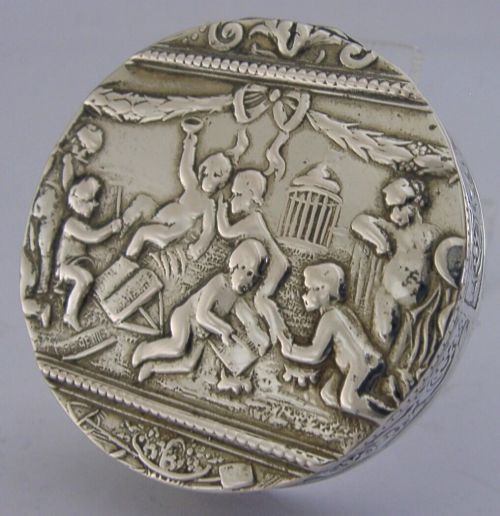
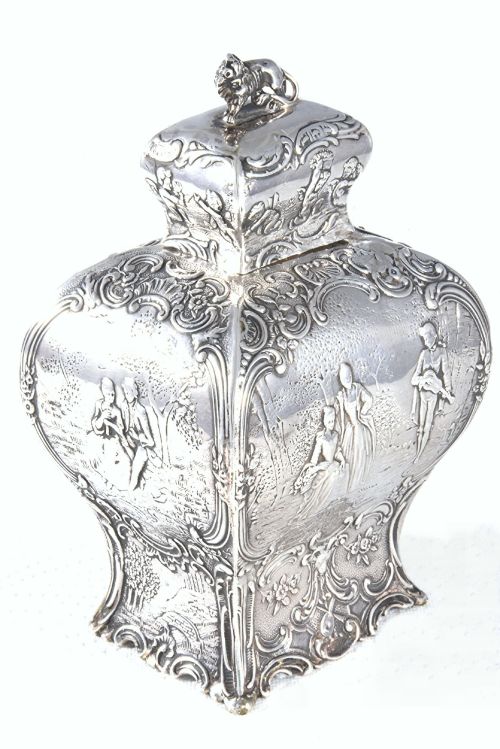
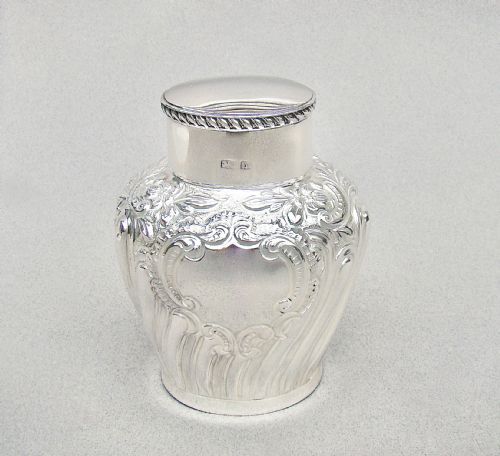
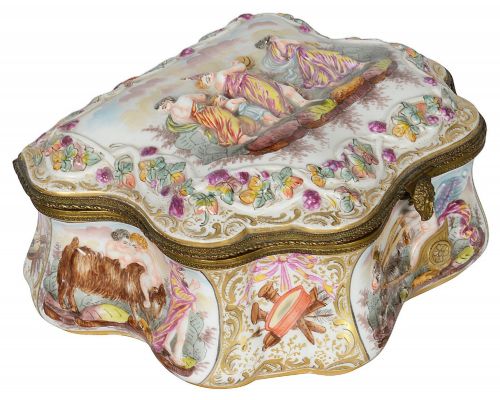
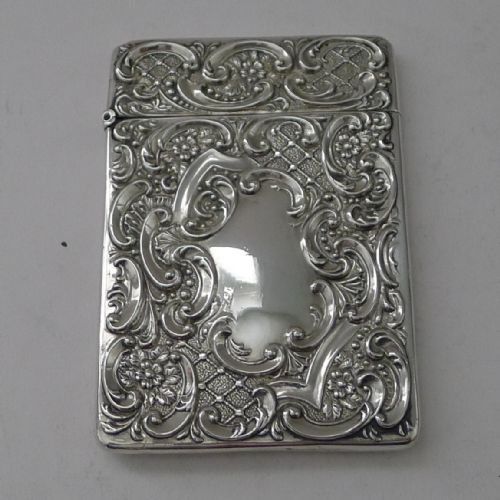
When you search for an antique rococo box, you encounter containers spanning from the eighteenth century to the Edwardian era, predominantly featuring the curved lines and ornamentation of the revival styles. These pieces include small snuff boxes, patch boxes, pill boxes and larger jewellery caskets or tea caddies fashioned in silver, porcelain and enamel.
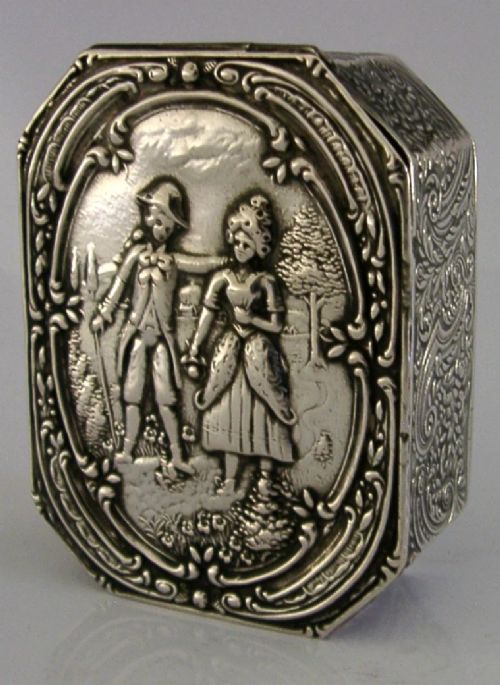
The version you are most likely to meet on this page is a nineteenth-century Continental or English silver box, or a porcelain trinket box with gilded metal mounts, reflecting the strong nineteenth-century interest in Louis XV and French rococo designs.
Materials and construction
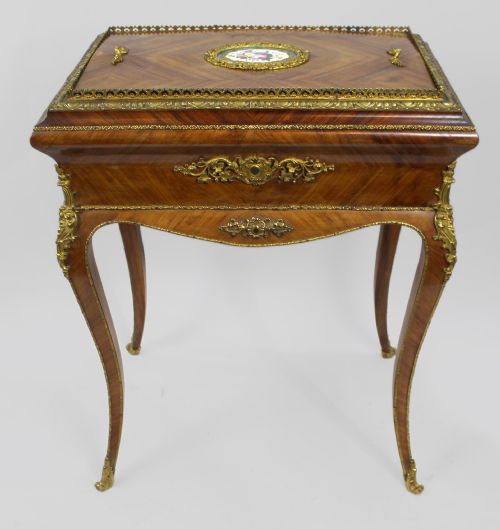
Makers shaped these boxes using sterling silver, solid silver or silver-gilt, often employing repoussé and chasing techniques to raise the characteristic scroll, shell and figural motifs from the metal. Other examples combine panels of porcelain, such as Sevres or South Staffordshire work, with cast and gilded ormolu frames.
Enamel and glass also appear frequently, alongside wooden carcasses mounted with metalwork or inlaid with kingwood, demonstrating a range of specialist artisan skills across the periods.
Antique Rococo Box Retail Price Guide 2026
Typical asking prices for rococo box among the pieces listed under this phrase on Sellingantiques today, from the lower quarter to the upper quarter. They describe what is for sale here now, not the wider market.
Materials recorded across the inventory include sterling silver, enamel, porcelain, glass, ormolu, gilt metal and brass.
Factors that separate the grades
Quality rests on the crispness of the chasing in silver work and the hand-painted detail on porcelain panels and enamels, where tighter brushwork and defined casting distinguish finer workshop production from standard output. The weight of the metal and the integrity of the hinges, catches and internal linings also dictate the standing of a piece.
Maker marks and town assay stamps provide a clear indication of origin and standard, while unmarked pieces rely entirely on the precision of their assembly and the quality of the materials used.
Thomas Hayes·William Comyns·David Pettifer·Victor Raulin·Christofle
The Antique Rococo Box Glossary
- Ormolu
- Gilded bronze used for mounts and decorative frames on boxes and furniture. It provides a warm golden finish that complements porcelain and exotic woods.
- Repoussé
- A metalworking technique where the artisan hammers the design from the reverse side to create a raised relief on the front. This method defines the sculptural decoration on many silver boxes.
- Snuff box
- A small pocket-sized container designed to hold dry tobacco for inhalation. These pieces often feature hinged lids and detailed chased scenes.
- Casket
- A larger box intended for jewellery or precious items, frequently lined with velvet or silk. They often incorporate glass panels or heavy metal mounts.
- Chasing
- The complementary metalworking process to repoussé, executed from the front side to refine details and push the metal into sharper relief. Skilled chasing creates the depth seen in rococo floral motifs.
Antique Rococo Box: Frequently Asked Questions
How were small rococo boxes used historically?
These containers served practical functions for the elite, holding scented snuff, medicinal pills, small beauty patches or personal keys. Their portability made them items of daily personal use.
Over time, many transitioned into decorative display objects on dressing tables or mantelpieces, housing rings and keepsakes.
What materials are most common?
Sterling silver and solid silver dominate the metal selections, often paired with gilding.
Porcelain, enamel and glass also appear frequently, supported by mounts of ormolu or brass.
How do I distinguish eighteenth-century pieces from later revivals?
Eighteenth-century examples typically display period assay marks, maker stamps and hand-painted miniature work characteristic of Georgian production.
Nineteenth-century revival pieces often exhibit heavier casting, machine assistance and stylistic elements drawn from both Louis XV and Victorian design.
How do I care for silver and enamel boxes?
Silver requires gentle cleaning with a soft cloth to preserve chased details without stripping the highlights. Enamel demands careful handling to avoid chipping the fragile glass surface.
Keeping them away from direct sunlight and damp environments protects internal silk linings and delicate hinges.