
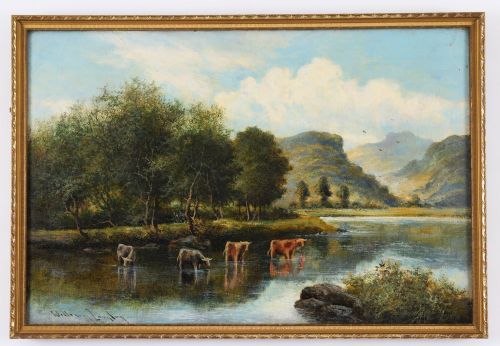
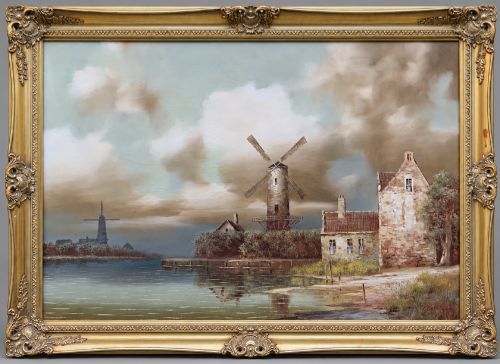
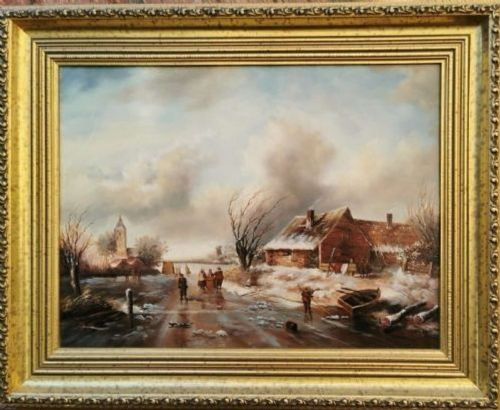
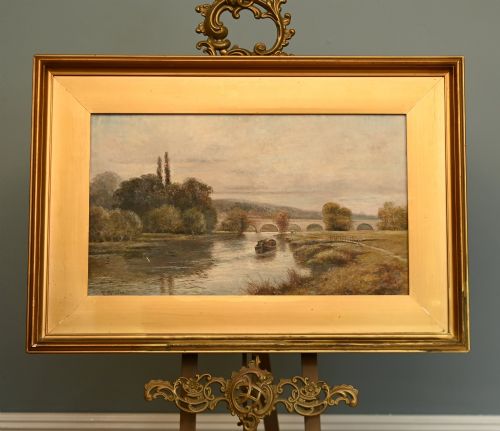
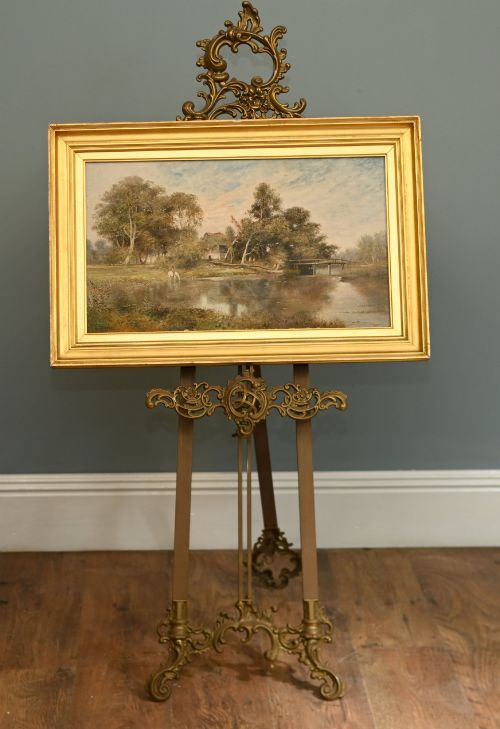
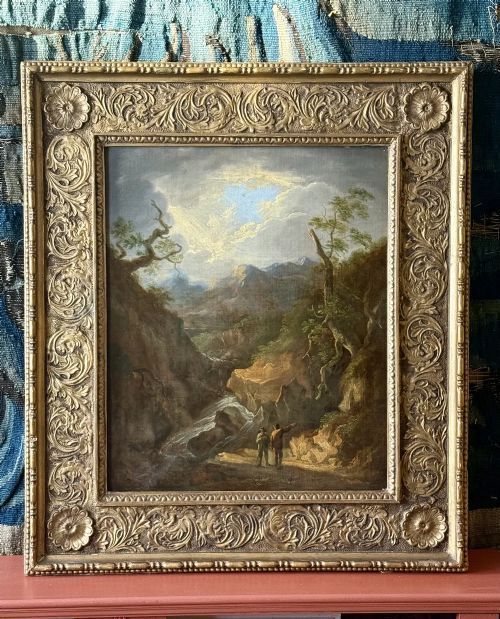
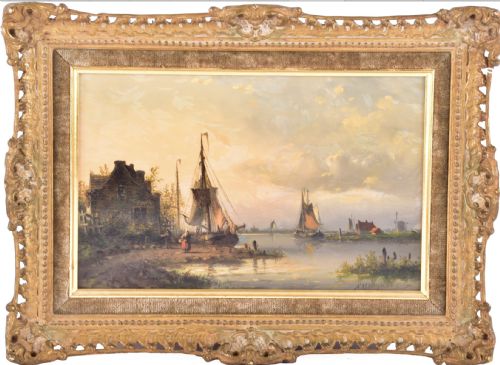
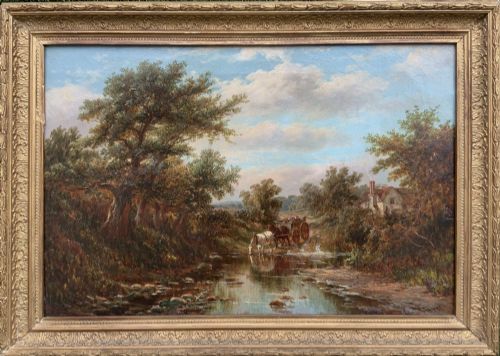
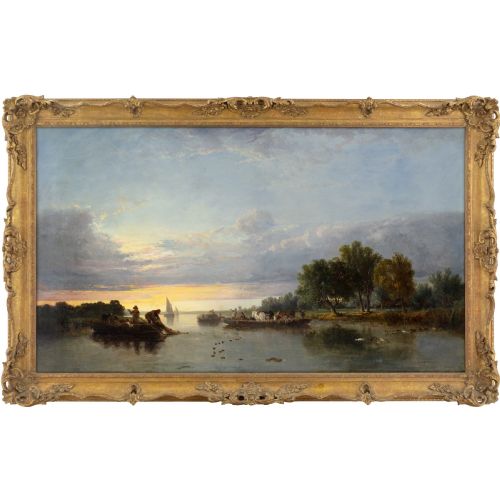


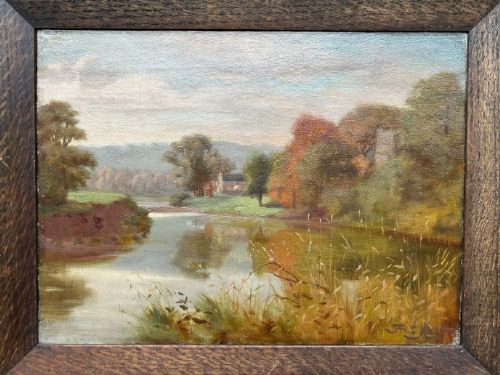
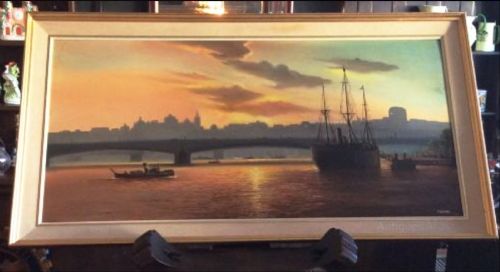
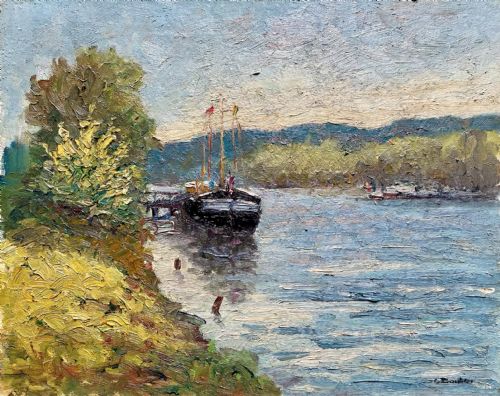
Antique River Canvas Painting
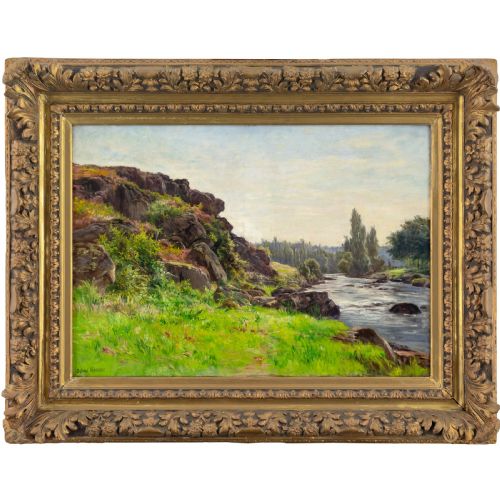
When you explore an antique river canvas painting, you connect with enduring pastoral scenes rendered in rich oil pigments upon woven fabric.
Antique River Canvas Painting
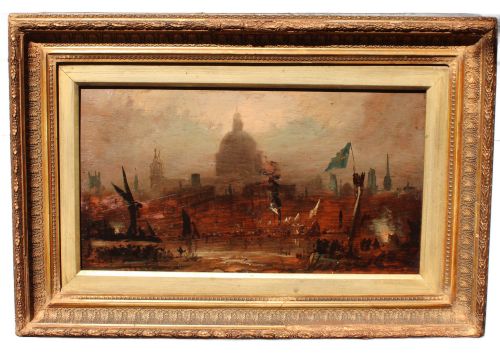
An antique river canvas painting captures flowing waters, pastoral riverbanks, and maritime vessels rendered primarily during the nineteenth and early twentieth centuries.
These works span British, French, and Dutch schools, reflecting movements such as Impressionism, Romanticism, and Realism.
Collectors encounter serene rural waterways, bustling industrial bridges, and moody highland streams preserved within period wooden frames.
How They Were Made
Artists applied oil paint to stretched canvas, often supported by wooden stretchers and housed in decorative gilt or gesso frames.
Makers layered pigments to build texture and depth, capturing natural light upon water and surrounding foliage.
Several canvases quietly preserve the muddy paw prints of adventurous studio dogs.
What Varies in Quality
The skill of the brushwork, the subtlety of light handling, and the preservation of the original pigment dictate the standing of a canvas.
A composition with confident perspective and atmospheric depth commands greater appreciation than a rigid or formulaic study.
George Graham·Frederick Marriott·Gabriel Mathieu·Francis Moltino·Willem Bos·Henri Ottmann·Sir Alfred East·Albert Rieger·Herbert Royle·Paul Desire Trouillebert·Henry H Parker·Sydney Yates Johnson·John Horace Hooper·John Ferneley Senior·Honore Cavaroc·Archibald Kay·Charles Clair·Henri Jaques Delpy·Charles William Wyllie·James Aumonier·AF de Breanski·Henry Cooper·Charles W Oswald·Fred A Simmonds·A Hanson
The Antique River Canvas Painting Glossary
- Oil on Canvas
- Pigments bound in a drying oil medium applied directly to a woven fabric support.
- Gesso
- A plaster-like mixture applied to wooden frames to create a smooth surface for gilding.
- Barbizon School
- A nineteenth-century French movement focused on plein-air landscape painting and naturalism.
- Impressionism
- A style characterised by relatively small, thin yet visible brush strokes and open composition.
Antique River Canvas Painting: Frequently Asked Questions
Are these paintings signed by artists?
Many pieces feature visible signatures, monograms, or inscriptions left by the original painter.
Others remain unattributed, reflecting the traditions of regional British or European schools.
How do I identify the period?
Stylistic clues, canvas stretchers, and framing materials often point toward specific decades like the Victorian era.
Examine the reverse of the canvas for historical inscriptions or artist stamps.
Where should I hang my painting?
Display the artwork away from direct sunlight and extreme temperature fluctuations to protect the oil pigments.
A stable indoor wall allows the canvas and frame to endure safely.