



Antique Riding Prints
Antique riding prints capture the speed and tradition of the equestrian world on paper, offering collectors a direct link to historic sporting life.
Antique Riding Prints
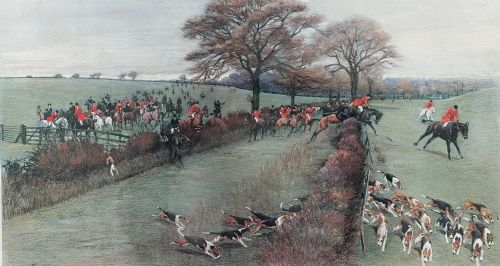
Antique riding prints encompass framed engravings, watercolours, and original works on paper depicting horses, jockeys, and field sports. Buyers searching for antique riding prints find varied depictions ranging from eighteenth-century copper engravings to twentieth-century sporting prints.
The selections span distinct historical periods including the Georgian era, Victorian times, and the early twentieth century. Common subjects include hunting scenes, racehorses, dressage, and maps of specific regions.
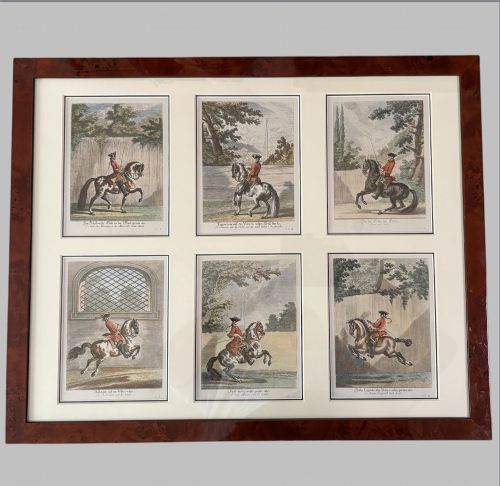
Many of these works arrive ready to hang in traditional wood or gilt wood frames, sometimes retaining glass protection from earlier centuries. They range from single framed sheets to sets of four or more related engravings.
How they were made
Makers produced these works using paper sheets treated with ink and often finished with hand-applied watercolour. Copper plates served as the printing medium for detailed eighteenth-century equestrian engravings.
Framing materials reflect the period of production, incorporating burr wood veneer, carved gilt wood, and plain timber mouldings. Glazing protects the delicate paper surfaces from dust and moisture over time.
Antique Riding Prints Retail Price Guide 2026
Typical asking prices for riding prints among the pieces listed under this phrase on Sellingantiques today, from the lower quarter to the upper quarter. They describe what is for sale here now, not the wider market.
Current listings feature materials such as paper, glass, wood, gilt wood, ink, burr wood veneer, and watercolour across several centuries.
What varies in quality
Quality rests in the crispness of the original print lines and the precision of any hand-applied colour. Impressions taken early from a copper plate show sharper detail than those pulled after extensive use.
The integrity of the framing materials also distinguishes pieces, with period frames using burr wood veneer or gilt moulding holding greater decorative interest than later replacements.
Ridinger·John Speed·Snaffles
The Antique Riding Prints Glossary
- Engraving
- A printmaking technique where an artist cuts lines into a metal plate to hold ink for transfer to paper. This method produces fine, durable details suited to repeated printing.
- Hand Coloured
- A print finished with watercolour or other pigments applied by hand after the initial impression. This adds individual character to each sheet.
- Gilt Wood
- Timber framing finished with a thin layer of gold leaf or metallic gilt paint. It provides a bright decorative border popular in traditional framing.
- Burr Wood Veneer
- A thin slice of wood with a swirling grain pattern applied to a furniture or frame surface. It creates a rich, decorative texture from knotted tree growths.
Antique Riding Prints: Frequently Asked Questions
How should I hang antique riding prints?
Hang these framed works away from direct sunlight to protect the paper and any hand-applied watercolour from fading. Maintain stable room humidity to preserve both the paper and the wooden frames.
Ensure wall fixings match the weight of the frame, particularly for pieces with heavy glass and timber construction.
Are these prints original to their stated period?
Listings indicate the period of production based on the publishing date or the style of the work. Examining the paper stock and printing technique helps confirm the era.
Some prints were published as part of sets or series, while others are individual works from specific artists.
What is the difference between an engraving and a print?
An engraving is a specific printmaking method created by cutting directly into a metal plate. The term print serves as a broader category covering various reproduction methods on paper.
Many antique sporting works combine engraved lines with hand-coloured details.
Can I remove the prints from their frames?
Removing antique paper from historical frames risks damaging the fragile sheet and any original backing materials. It is generally best to leave the framing intact to preserve the piece.
Professional framing conservators can address any issues without altering the historic components.