




Antique Reliquary
These antique reliquary pieces are sacred vessels and devotional frames holding centuries of spiritual devotion, offering collectors a direct link to historical religious artistry.
Antique Reliquary
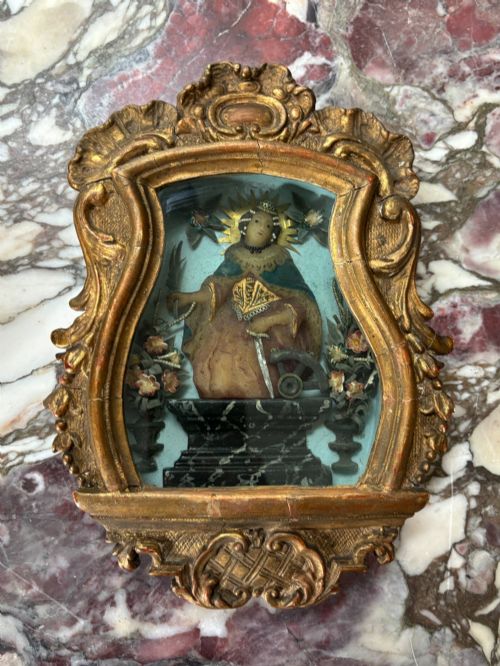
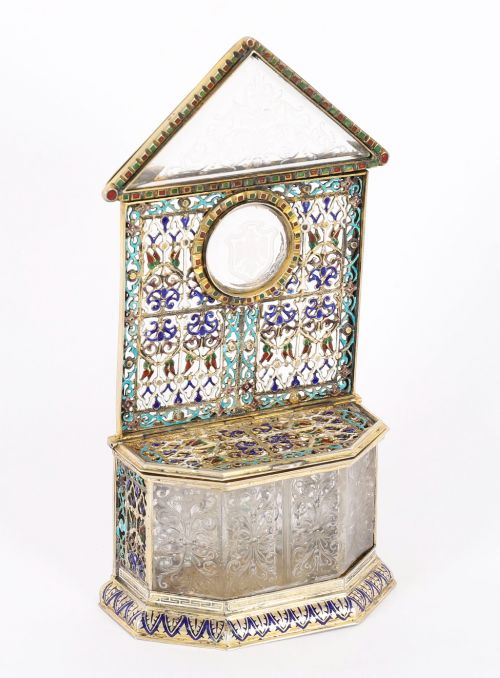
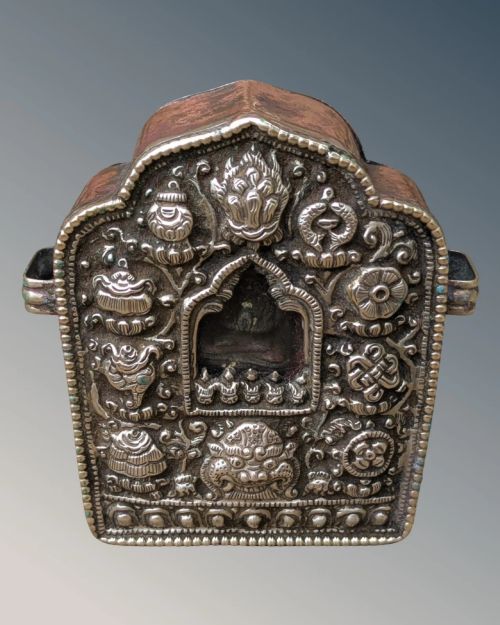
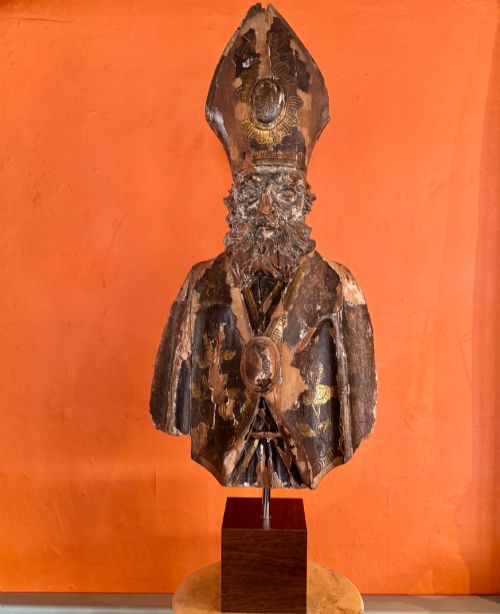
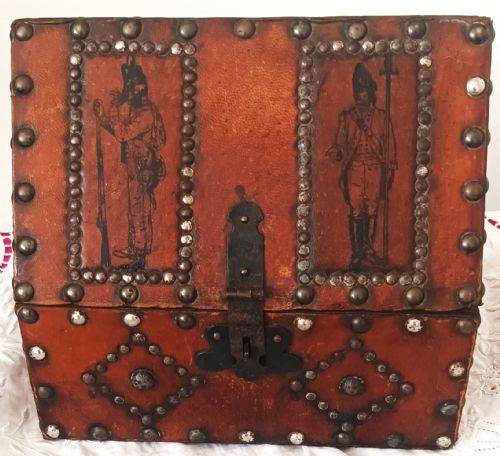
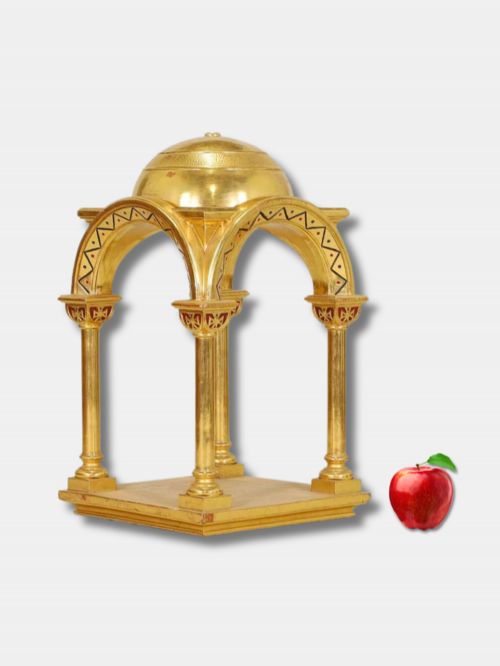
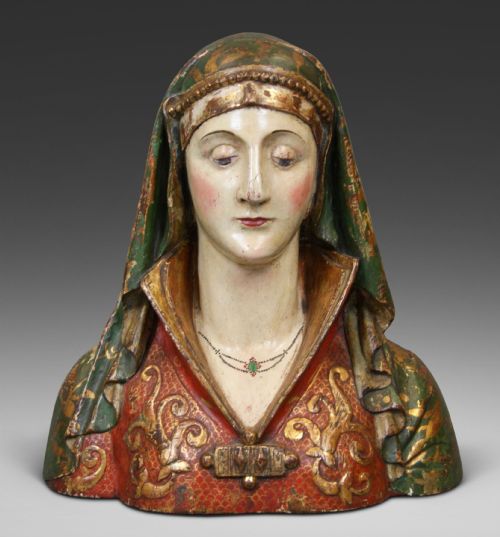
An antique reliquary encompasses a diverse group of sacred containers, devotional icons, and architectural miniatures designed to protect and display holy remains or pious imagery. When exploring antique reliquary pieces, one encounters items ranging from carved wooden busts and giltwood tabernacles to shadow boxes and leather-bound caskets.
The selections span from the sixteenth century through to the early twentieth century, drawing heavily on Italian Baroque, Gothic, and Renaissance traditions. Pieces such as Nevers glass figures in shadow boxes or carved wooden saints reflect the deeply devotional origins of these objects across various European workshops.
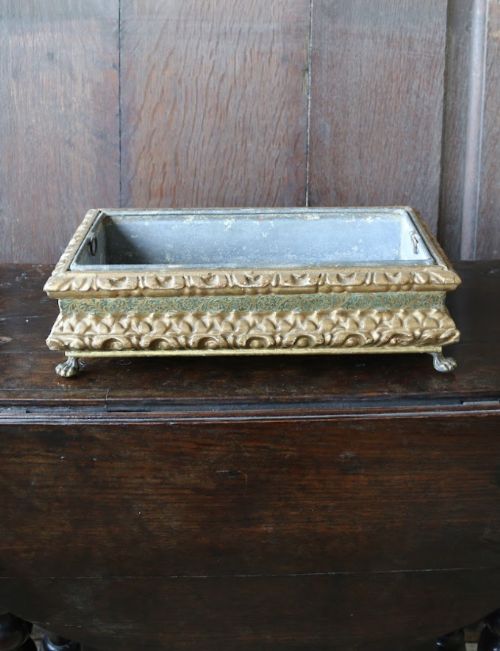
Buyers are most likely to meet eighteenth and nineteenth-century giltwood frames, carved wooden busts of bishops, and devotional shadow boxes on this page. These domestic and ecclesiastical items demonstrate the enduring presence of religious craftsmanship across multiple centuries.
Materials and construction
Maker's hands relied on carved wood, gesso, and gold leaf to build ornate frames, shrines, and sculptural busts. Giltwood and polychrome paint frequently surface on Italian Baroque and Renaissance pieces, providing rich surface texture.
Metalwork played a critical role in sacred vessels, utilising engraved copper and silver for pyxes, ciboria, and alms boxes. Glass also appears, protecting delicate wax devotional icons and figures within shadow boxes.
Antique Reliquary Retail Price Guide 2026
Typical asking prices for reliquary among the pieces listed under this phrase on Sellingantiques today, from the lower quarter to the upper quarter. They describe what is for sale here now, not the wider market.
Geographic origins on this page extend across Italy, France, Spain, Gabon, and the Low Countries.
Assessing quality
The refinement of the carving distinguishes exceptional sculptural figures and architectural miniatures from simpler production. Mastery over giltwood, gesso, and gold leaf application dictates the visual depth and preservation of surface detail.
The complexity of the form, whether a domed tabernacle with zigzag decoration or an engraved copper pyx, marks the artisan's capability. Original integration of glass elements and polychrome paint further elevates the standing of a piece.
The Antique Reliquary Glossary
- Reliquary
- A container for holy relics. These objects range from small boxes to elaborate architectural tabernacles designed to display items of veneration.
- Tabernacle
- A heavily ornamented receptacle for the Eucharist or sacred items. They frequently feature domed tops and intricate giltwood decoration.
- Ciborium
- A covered sacred vessel used to hold consecrated hosts. Examples often display careful engraving and metalwork.
- Pyx
- A small round container used to carry the Eucharist. These vessels are typically forged from copper and feature engraved surfaces.
- Devotional Icon
- A visual representation used to inspire prayer and contemplation. They often incorporate wax figures, glass, and carved frames.
Antique Reliquary: Frequently Asked Questions
How were these devotional pieces used?
These items served both in ecclesiastical settings and private domestic spaces for prayer and the veneration of saints. Containers like chasses and pyxes protected holy fragments, while shadow boxes and framed icons provided focal points for contemplation.
Many pieces held wax figures or sacred relics, acting as tangible connections to the divine.
What materials predominate in these items?
Wood forms the base of most frames, shrines, and sculptural busts, frequently enhanced with gesso and gold leaf. Copper and silver appear in metal vessels such as ciboria and alms boxes.
Glass is also utilised to protect delicate interior figures, alongside polychrome paint that brings devotional icons to life.
How do I date an antique reliquary?
Dating relies on stylistic clues, such as the distinct ornamentation of the Renaissance, Gothic, or Italian Baroque periods. Construction techniques, including hand-carved wood and early metal engraving methods, help place pieces within specific centuries.
Documentation of origins, from sixteenth-century Spanish metalwork to eighteenth-century French shadow boxes, further clarifies the timeline.