



Antique Relief Jug
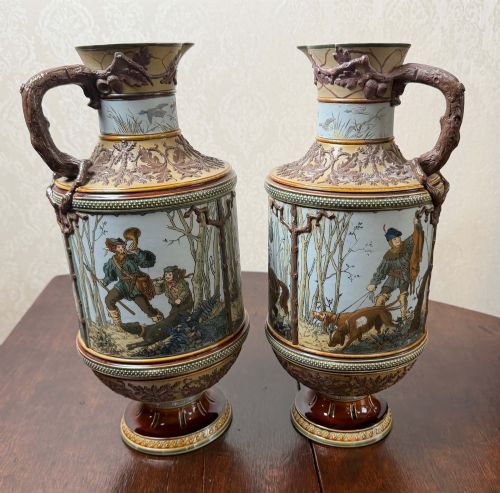
When you handle an antique relief jug, you encounter the crisp narratives of classical myth, hunting scenes, and harvest revels pressed permanently into clay and metal.
Antique Relief Jug
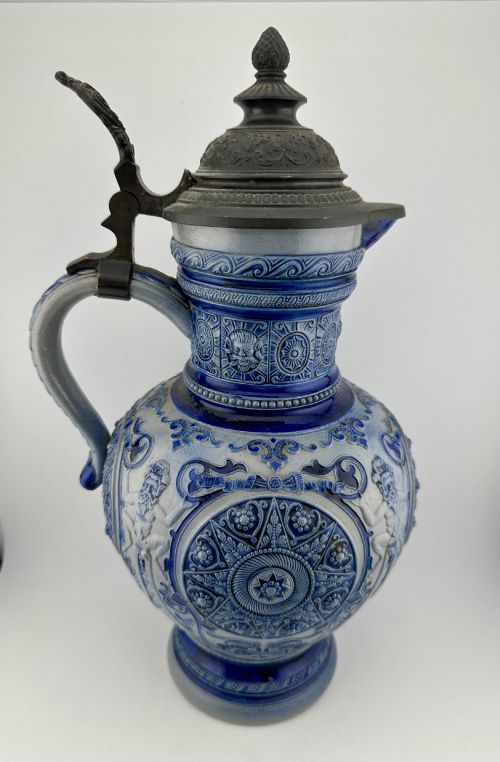
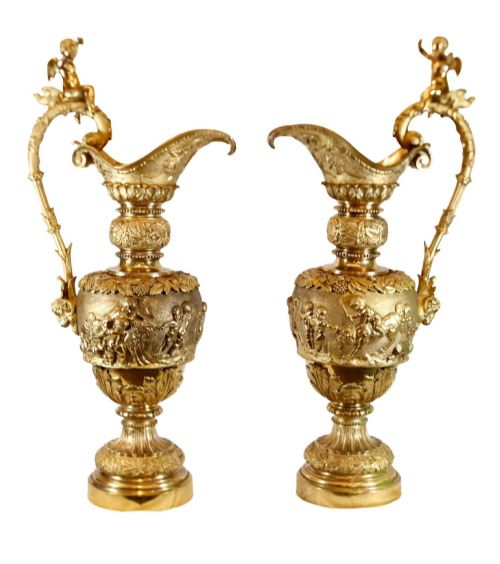
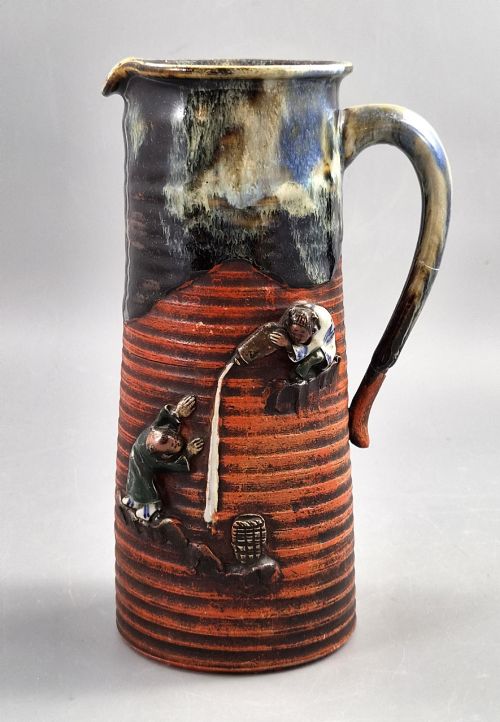
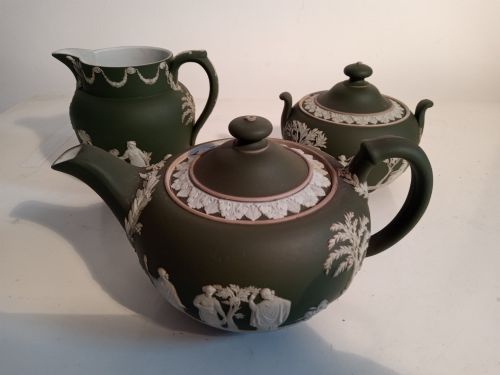
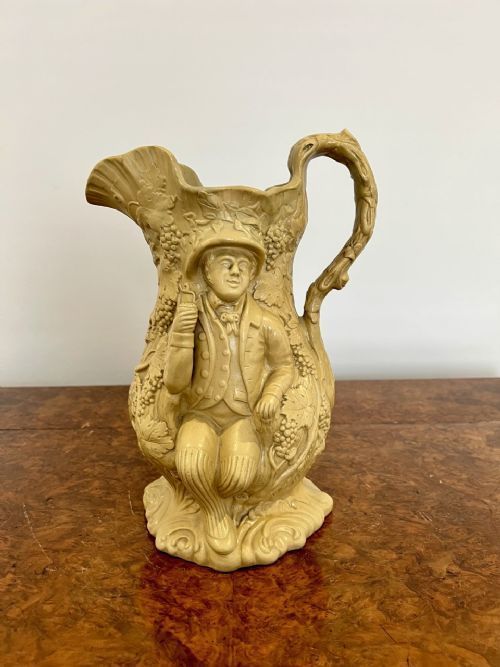
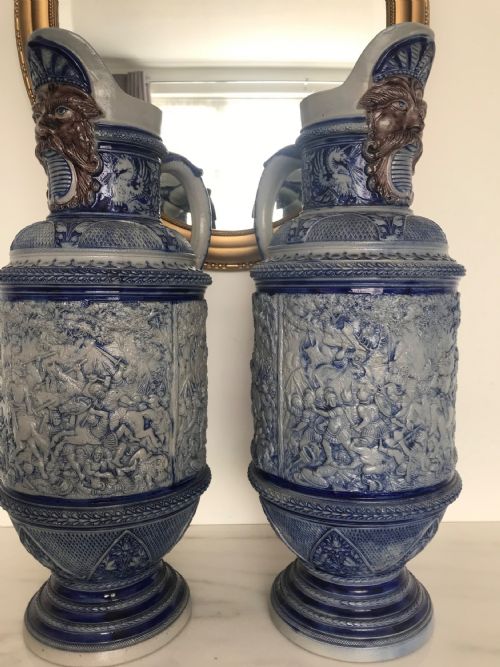
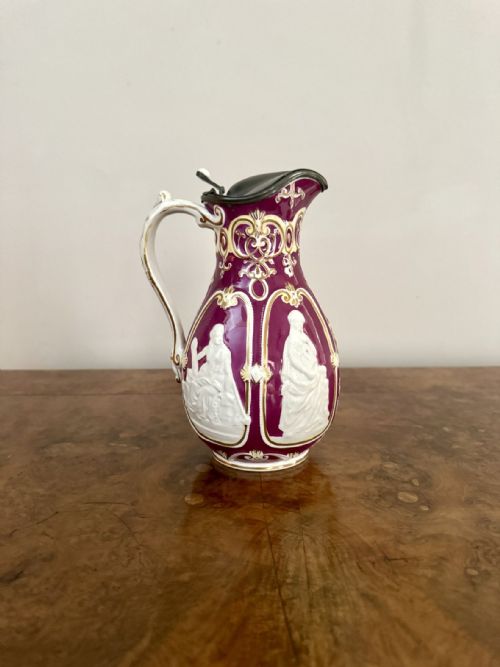
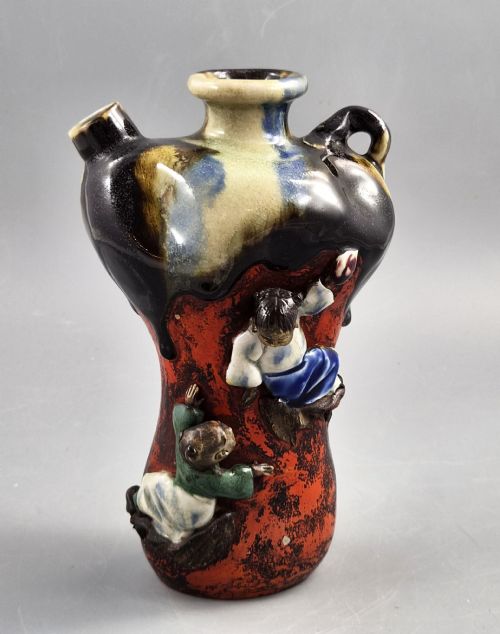
Victorian and nineteenth-century examples dominate the available selection, often displaying elaborate mouldings from British potteries like Doulton Lambeth, Wedgwood, and Charles Meigh. You also encounter continental salt-glazed stoneware, copper lustre wares, and Japanese pottery pitchers alongside heavy pewter and electrotype designs. The surface narratives typically depict bacchanalian dances, sporting events, or historical figures.
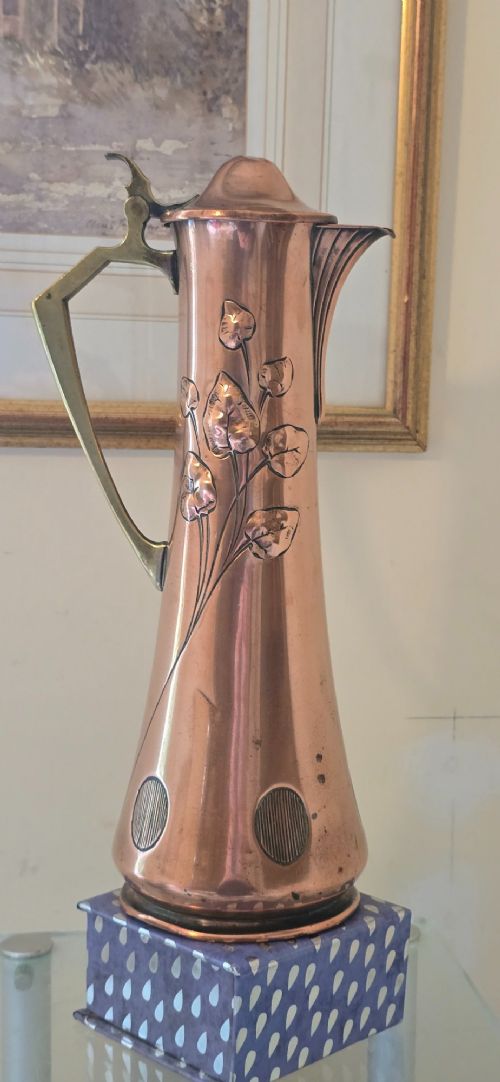
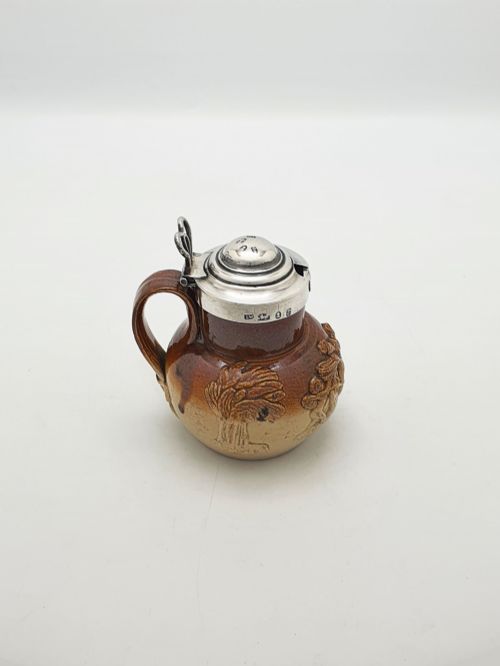
The body shape varies according to use, from slender ale jugs and water ewers to squat harvest jugs fitted with silver rims or pewter lids. Collectors find both utilitarian household vessels and highly ornamental display pieces created during the Georgian, Victorian, and Edwardian eras.
Materials and moulding techniques
Potters utilised stoneware and earthenware bodies, frequently employing salt glaze or ceramic glaze to seal the porous clay. Relief moulding required metal or plaster moulds into which the clay was pressed or cast before being applied to the main vessel wall. Sprigged decoration involved shaping individual motifs separately and sticking them onto the wet body before firing.
Some works incorporate metal elements such as sterling silver collars, pewter lids, copper, and brass fittings. Parian ware required a specialised porcelain biscuit mixture that fired to resemble carved marble, capturing fine sculptural details without requiring a shiny glaze.
Cobalt blue pigments often decorated salt-glazed stoneware bodies, while majolica pieces relied on coloured lead glazes over moulded earthenware. Metal vessels utilised electrotyping techniques to deposit silver or copper over a base form, capturing intricate relief work mechanically.
Antique Relief Jug Retail Price Guide 2026
Typical asking prices for relief jug among the pieces listed under this phrase on Sellingantiques today, from the lower quarter to the upper quarter. They describe what is for sale here now, not the wider market.
Watch for hound handles gripping ceramic rims on nineteenth-century hunting jugs.
Assessing sculptural and material merit
Quality rests in the crispness of the moulded detail and the alignment of the relief against the body. Superior pieces retain sharp edges on figures and foliage, whereas worn moulds produce soft, muddy contours that obscure the narrative scene.
The integration of applied handles and precious metal mounts distinguishes finer workshops from standard production items. Fitted silver rims, pewter lids, and well-balanced hound handles indicate higher craftsmanship than plain ceramic loops.
Colour consistency and glaze application also separate grades of manufacture. Evenly distributed salt glazes, rich majolica tones, or finely finished Parian bodies demonstrate superior kiln control and material purity.
Simon Peter Gerz·Doulton Lambeth·Henry Bourne·Charles Meigh·George Jones
The Antique Relief Jug Glossary
- Relief moulded
- A technique where vessels are formed in moulds that press raised decorative patterns directly into the body clay. This method allowed potteries to produce complex figurative scenes consistently.
- Salt glaze
- A vitreous coating formed by throwing common salt into the kiln during high-temperature firing, creating an orange-peel texture on stoneware. It protects the ceramic body and resists liquids.
- Parian ware
- A fine white unglazed porcelain developed in the nineteenth century to imitate carved marble. It suits classical figures and detailed sculptural motifs.
- Majolica
- Earthenware decorated with colourful opaque lead glazes fired over a moulded surface. The technique produces vibrant greens, browns, and blues.
- Sprigged
- A method where separately moulded clay ornaments are applied to the surface of an unfired pot using liquid slip as an adhesive. This creates layered relief designs.
- Bacchanalian
- Pertaining to the Roman festival of Bacchus, featuring motifs of grapes, vines, revelry, and mythical revellers. These scenes appear frequently on nineteenth-century drinking vessels.
Antique Relief Jug: Frequently Asked Questions
How do I clean an antique relief jug?
Wash ceramic and stoneware bodies gently in warm water using a mild detergent and a soft brush to protect the raised details.
Avoid submerging pieces with metal mounts, silver rims, or pewter lids for extended periods to prevent corrosion.
Were these jugs used for serving wine?
Many large pitchers and ewers served wine, water, or ale at nineteenth-century dining tables and sideboards.
Smaller vessels functioned as milk jugs, creamers, mustard pots, or decorative display items.
How can I tell a salt glaze from other finishes?
Salt-glazed stoneware displays a distinct pitted surface resembling the skin of an orange, created by vapour-glazing during firing.
Smooth earthenware and porcelain surfaces lack this characteristic texture and usually feature glossy lead or ceramic glazes.