

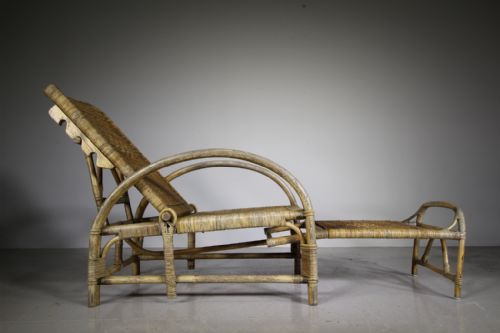


Antique Reclining Chaise
An antique reclining chaise offers a singular place to rest, combining the support of a chair with the length of a bed.
Antique Reclining Chaise
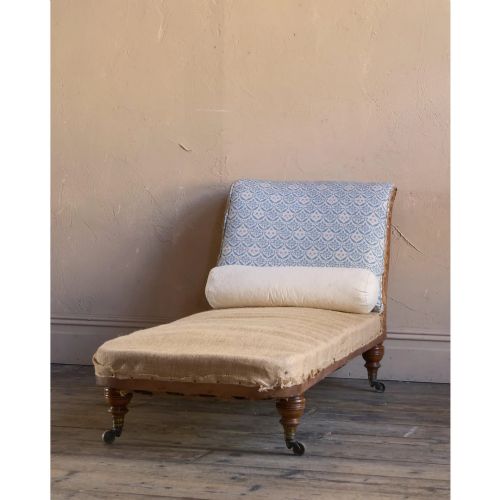
An antique reclining chaise brings together nineteenth-century daybeds, chaise longues, and adjustable library armchairs designed for extended repose. Pieces on this page span from Regency mahogany frames to Victorian rosewood and walnut daybeds, alongside French provincial designs and twentieth-century wicker pieces.
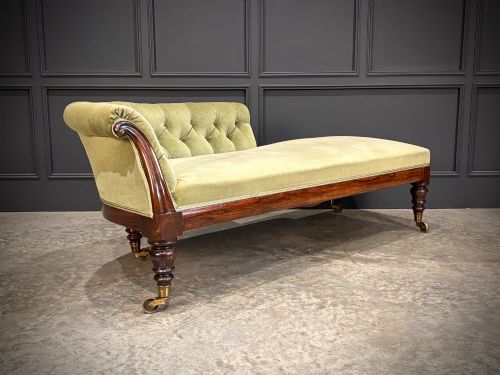
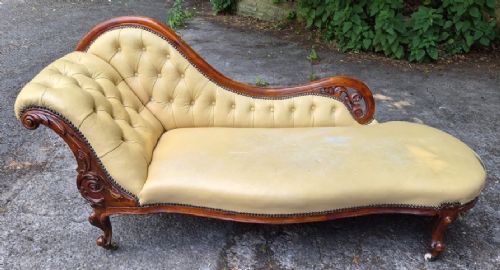
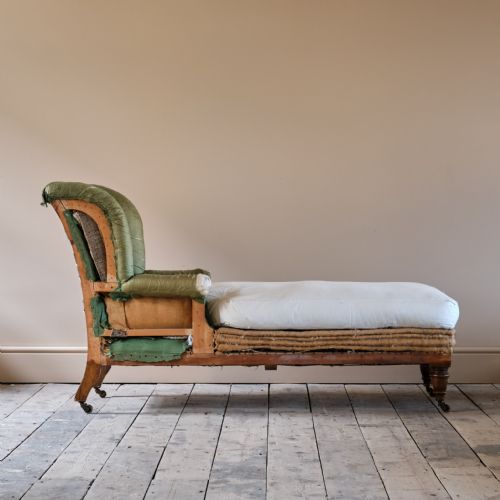
The most common forms are Victorian carved mahogany or rosewood chaise longues with scrolling ends, alongside campaign style daybeds and fully adjustable leather reclining armchairs. Makers and styles range from English country house seating to French turn-of-the-century loungers in rattan and upholstered fabric.
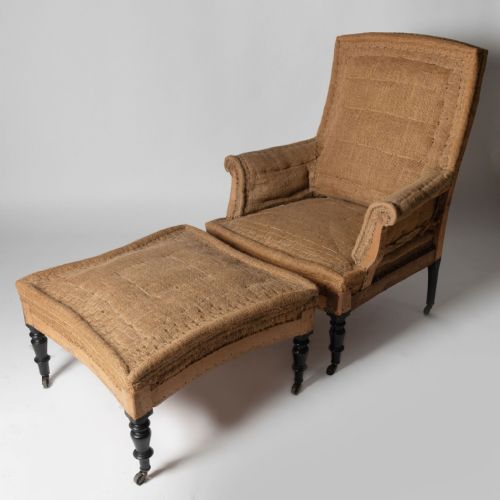
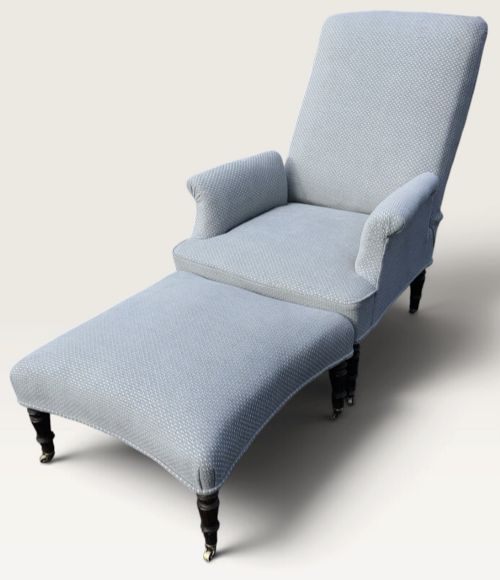
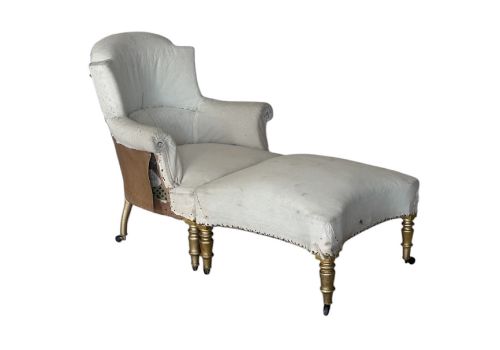
Buyers also encounter specialised seating such as duchess brisées, matching armchairs with footstools, and colonial plantation styles. These daybeds and chaises reflect the domestic comfort of the nineteenth and early twentieth centuries, constructed for libraries, drawing rooms, and garden spaces.
Materials and Construction
Frames are constructed from dense timbers such as mahogany, walnut, rosewood, and solid oak, complemented by bent wicker and brass hardware on campaign styles. Wood components often feature carved details, turned legs, and bobbin turnings.
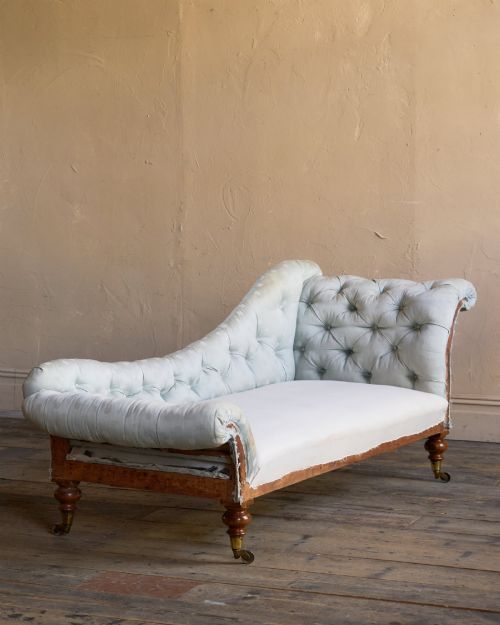
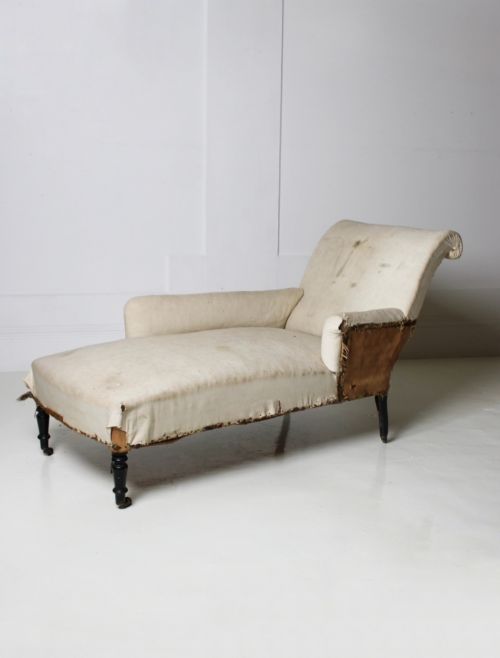
Upholstery relies on traditional stuffing secured beneath velvet, leather, calico, plain fabric, and cane or rattan panels. Structural mobility in reclining models depends on metal mechanisms and original castors.
Antique Reclining Chaise Retail Price Guide 2026
Typical asking prices for reclining chaise among the pieces listed under this phrase on Sellingantiques today, from the lower quarter to the upper quarter. They describe what is for sale here now, not the wider market.
Upholstery materials recorded across the pieces include leather, velvet, calico, and woven fabric.
Judging Quality
Quality rests in the weight of the timber framing, the crispness of carved woodwork, and the integrity of the underlying joinery. Substantial mahogany or rosewood frames hold their lines better than softer woods over generations of use.
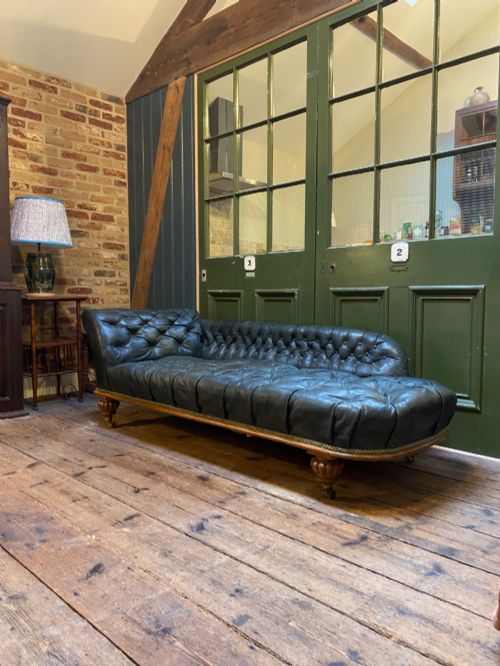
The degree of original hardware, such as brass castors and functional reclining mechanisms, distinguishes standard production from superior workshops. Upholstery materials also indicate grade, from simple calico foundations to dense leather and fine velvet.
Howard and Sons·Angraves of Leicester·H. Goodall and Sons of Newcastle
The Antique Reclining Chaise Glossary
- Chaise longue
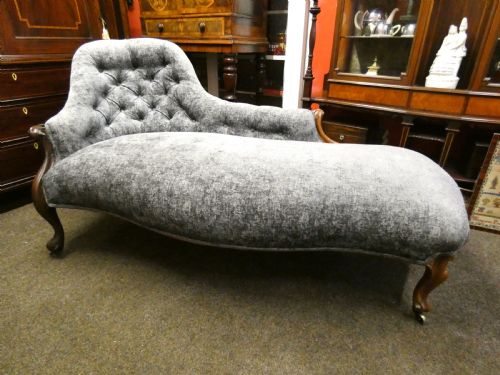
- An elongated chair for reclining, typically featuring a single raised armrest and a backrest that covers part of the length. The form emerged in France before becoming a staple of Victorian drawing rooms.
- Daybed
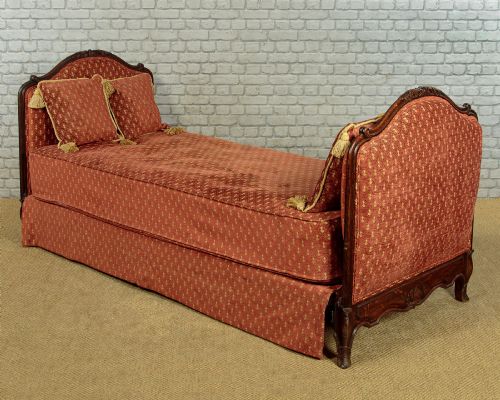
- A piece of furniture serving as a seat by day and a bed by night. These pieces combine wooden frames with upholstered cushions or cane panels.
- Duchess brisee
- A two or three-part seating arrangement consisting of an armchair paired with one or two footstools that lock together to form a continuous chaise. The term translates from French as broken duchess.
- Campaign style
- Portable furniture designed for military officers on the move, often incorporating brass corners, folding frames, and sturdy woods. These items dismantle or adjust for transport.
- Castor
- A small wheel mounted on a swivel attached to the legs of heavy furniture. Original brass or ceramic castors assist in moving large daybeds across floors.
Antique Reclining Chaise: Frequently Asked Questions
Where should I place a chaise longue?
These pieces suit large living rooms, master bedrooms, and home libraries where sufficient floor space allows the elongated frame to sit unobstructed. Position them away from direct sunlight to protect antique wood finishes and sensitive upholstery fabrics.
Ensure there is enough clearance around the piece to appreciate the carved woodwork or scrolling backrest from multiple angles in the room.
Are daybeds comfortable for sleeping?
Antique daybeds were built for daytime resting, reading, and reclining rather than overnight sleeping. The firmness depends on the underlying webbing, springs, and horsehair or modern padding used in the upholstery.
Adding a supportive topper or tailored cushions can improve comfort for lounging during the day.
How do I distinguish Victorian from Regency chaises?
Regency pieces dating from the early nineteenth century generally feature classical proportions, sabre legs, and architectural mahogany frames inspired by antiquity. Victorian examples from later in the century tend to display heavier carved rosewood or walnut frames with deep buttoning and elaborate scrollwork.
Examining the turning on the legs and the style of the wood carving provides the clearest indicator of the manufacturing period.