
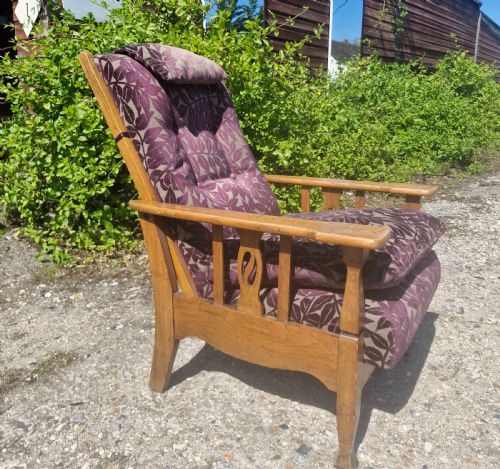

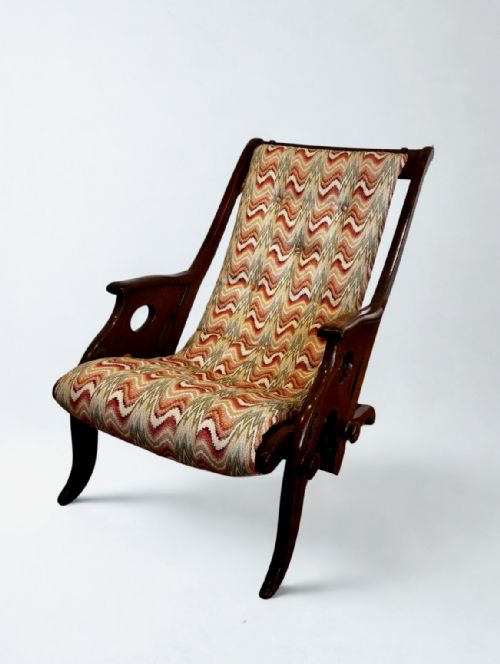


Antique Recliner Lounge
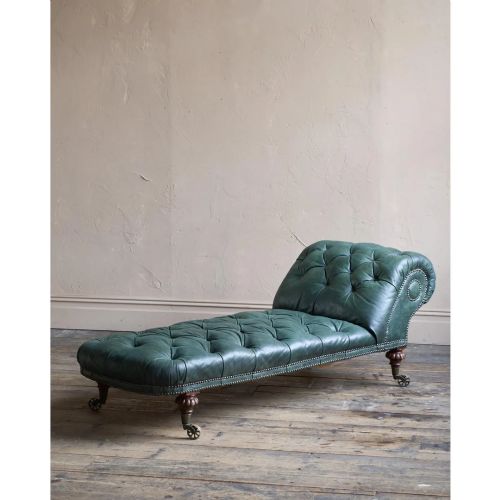
An antique recliner lounge offers adjustable comfort through nineteenth-century ingenuity, combining rich timber frames with buttoned leather or velvet upholstery.
Antique Recliner Lounge
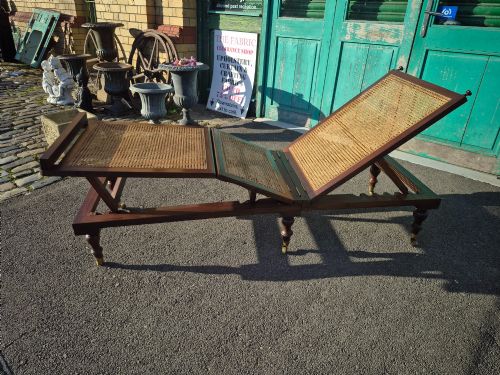
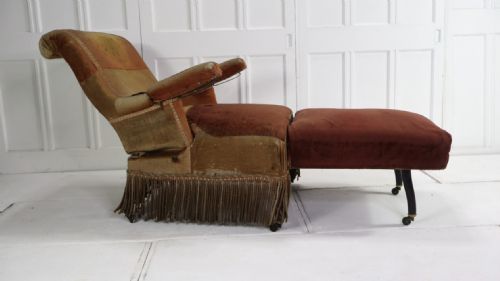
An antique recliner lounge encompasses nineteenth-century and early twentieth-century adjustable seating, ranging from campaign day beds to metamorphic armchairs and steamer chairs.
Buyers most frequently encounter Victorian mahogany or oak examples, alongside Arts and Crafts reclining chairs and French day beds.
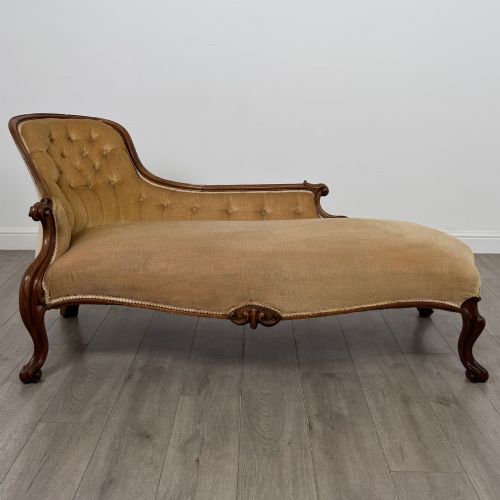
These pieces served relaxation needs in libraries, plantation houses, and drawing rooms, adapting from upright chairs to full horizontal day beds.
Materials and construction methods
Frames rely on solid timbers such as mahogany, oak, rosewood, and cane, paired with brass mechanisms for adjustable movement.
Upholstery materials include leather, velvet, damask, and fabric, often featuring buttoned detailing over sprung or webbing foundations.
Steamer chairs arrive complete with folding leg rests designed for Victorian ocean voyages, ready for deckside relaxation.
Assessing quality in adjustable seating
Quality rests upon the sophistication of the adjustable mechanism and the integrity of the timber frame, distinguishing standard production from bespoke workshop output.
Superior examples retain original brass fittings, castors, and high-grade upholstery materials that align with the maker's documented output.
J. Herbert McNair·Jas Shoolbred·Howard and Sons·Foot and Son·Hampton and Sons
The Antique Recliner Lounge Glossary
- Campaign style
- Portable furniture designed for military officers, featuring folding frames and brass mounts.
- Metamorphic armchair
- A seating piece that transforms mechanically into a bed, chaise lounge, or recliner.
- Bergère
- A closed upholstered armchair with a wooden frame, frequently incorporating cane panels.
- Damask
- A reversible figured fabric traditionally woven in silk, wool, or linen.
- Castor
- A small wheel mounted on a swivel assembly attached to furniture legs for mobility.
Antique Recliner Lounge: Frequently Asked Questions
How do these reclining chairs adjust?
These chairs utilise mechanical brass ratchets, ladderbacks, or folding hinges that allow the user to alter the angle of the backrest or extend the seat into a day bed.
Original mechanisms move smoothly and lock securely into predetermined notches without slipping during use.
Where were day beds placed originally?
Day beds and chaise lounges typically occupied private libraries, drawing rooms, or bedrooms for daytime resting and reading.
Colonial variations also appeared on deep verandahs to catch cooling breezes during warm weather.
What timber types should I expect?
Frames are constructed predominantly from hardwoods such as mahogany, oak, and rosewood, chosen for structural strength.
Secondary woods and cane work frequently support the structural framework beneath upholstered cushions.
How do I identify a Victorian piece?
Victorian examples display dense mahogany or walnut frames, deep buttoned leather or velvet upholstery, and often turn up on heavy brass castors.
Stylistic cues draw heavily upon revival aesthetics alongside functional innovations for adjustable comfort.