



Antique Reception Table
These antique reception table pieces and associated hall furnishings offer a welcoming focal point for an entranceway, combining practical utility with period craftsmanship.
Antique Reception Table
An antique reception table serves as an initial greeting point in an entrance hall or shop counter, setting the tone for the interior space. The selection spans distinct eras including Georgian, Victorian, and Edwardian periods, reflecting the shifting domestic and commercial requirements of past centuries.
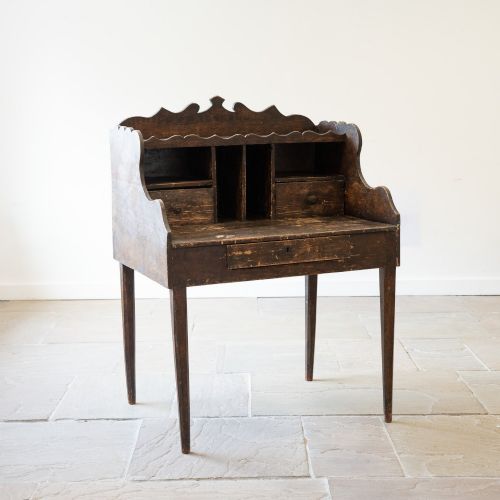
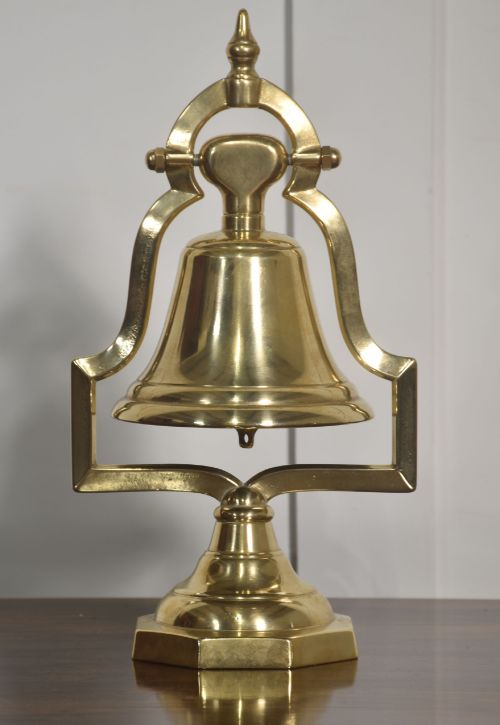
Buyers encountering this search phrase will find a varied assortment of forms rather than a single standardised design. The inventory includes side tables, lowboys, counters, display tables, and centre tables alongside functional accessories like desk bells and dinner gongs.
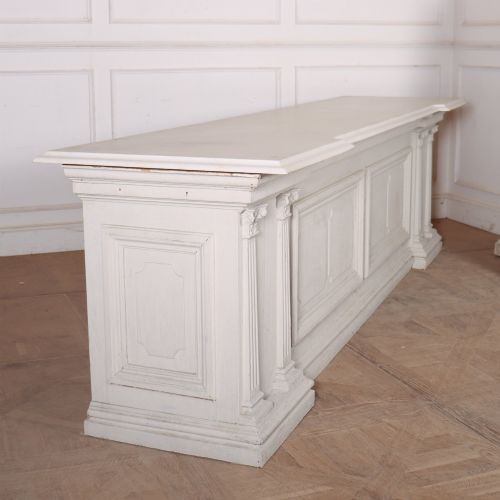
Origins range across English craftsmanship and continental pieces such as an Italian painted counter. Each object fulfills a specific greeting or staging function, whether placed in a grand Victorian hall or a smaller reception area.
How they were made
Cabinetmakers utilised fine timbers such as mahogany, oak, and burr walnut, frequently enhancing surfaces with decorative veneers, marquetry inlay, and gesso. Painted wood finishes also appear on continental pieces, showing a different decorative tradition from polished British hardwoods.
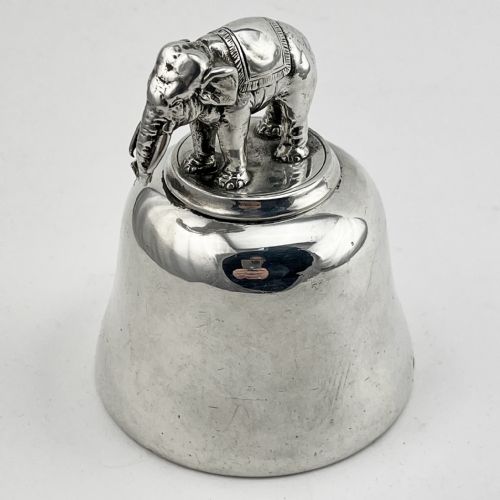
Metal components incorporate brass, bronze, and sterling silver, cast and engraved for functional items like table bells, display frames, and dinner gongs. Silver plating is additionally used on later nineteenth and early twentieth-century desk accessories.
Antique Reception Table Retail Price Guide 2026
Typical asking prices for reception table among the pieces listed under this phrase on Sellingantiques today, from the lower quarter to the upper quarter. They describe what is for sale here now, not the wider market.
What varies in quality
The standard of an antique reception table rests upon the crispness of its joinery, the selection of timber veneers, and the integrity of any applied brass or silver hardware. Pieces featuring intricate burr walnut inlays or finely cast bronze bases demonstrate superior craftsmanship.
Proportion and material selection dictate distinction within the category, where solid timber construction and original hardware outrank later replacements. The finesse of the engraving on a brass bell or the structural balance of a tilt-top display table marks the upper tier of the range.
The Antique Reception Table Glossary
- Lowboy
- A small table with drawers, typically originating in the eighteenth century and used as a side or hall table.
- Centre Table
- A freestanding table designed to be viewed from all sides, placed prominently in the middle of a room or hall.
- Gesso
- A plaster-like material applied to wood surfaces as a base for painting or gilding.
- Tilt-Top
- A table mechanism allowing the surface to pivot vertically when not in use, saving space in smaller rooms.
- Marquetry
- The art of applying pieces of veneer to a structure to form decorative patterns and pictures.
Antique Reception Table: Frequently Asked Questions
Where should I place a reception table?
These tables suit entrance halls, corridors, and reception rooms where guests arrive. They provide a surface for small items like keys and call bells.
Ensure the dimensions allow comfortable movement around the piece in narrower hallways.
How do I care for mahogany and walnut surfaces?
Dust regularly with a soft cloth and apply quality beeswax periodically to nourish the timber. Avoid placing wooden pieces near direct heat sources or strong sunlight.
Keep brass and silver components polished with appropriate non-abrasive cleaners.
How do I identify a Victorian piece?
Victorian items often display heavier proportions, rich timber selections like burr walnut, and distinct revival styles. Hardware and construction methods reflect nineteenth-century industrial capabilities.
Construction details such as drawer linings and screw types help confirm the period.