




Antique Reception Counter
An antique reception counter sets a tone of gravitas and hospitality, offering solid timber craftsmanship and enduring presence for a commercial or residential interior.
Antique Reception Counter
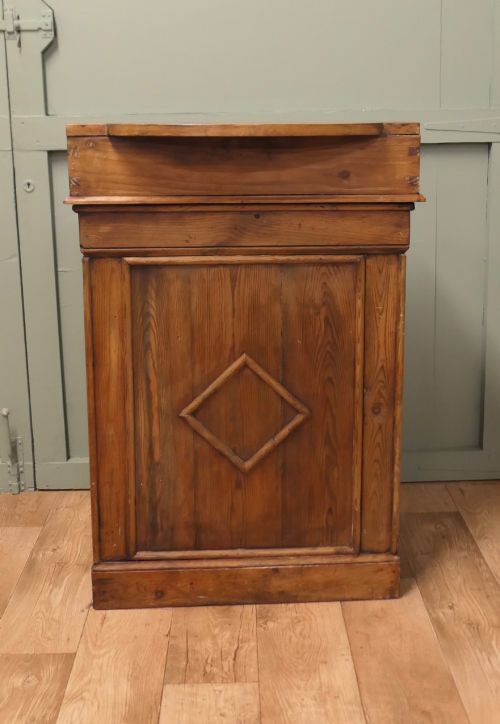
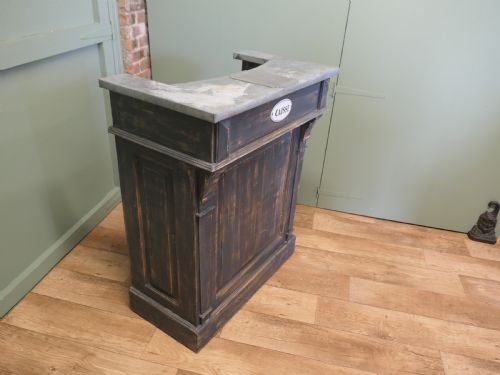
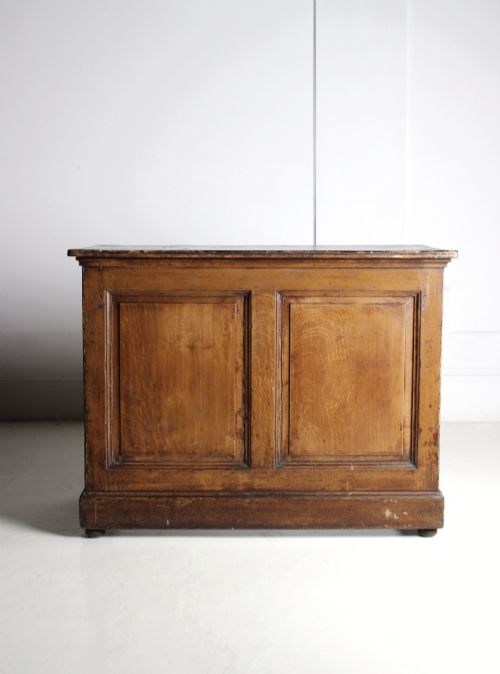
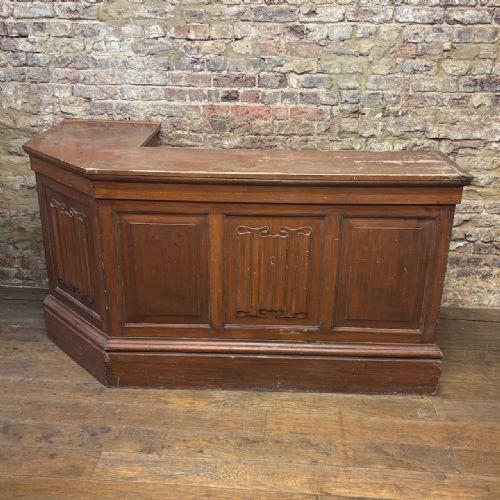
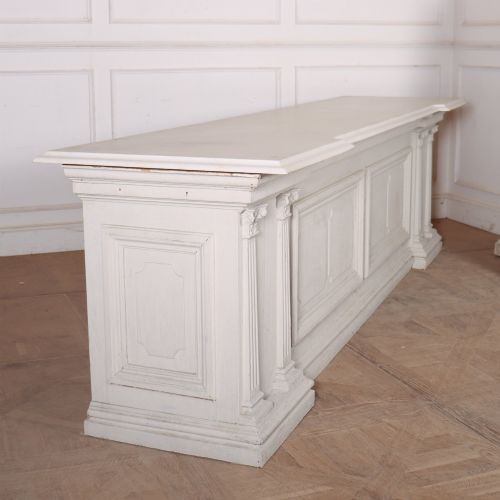
An antique reception counter provides a substantial focal point for greeting visitors, functioning as a primary piece of furniture in commercial and domestic settings. When you search for an antique reception counter, you encounter substantial furniture built to withstand decades of daily use in trade or hospitality. The selection on this page spans shop counters, home bars, and greeting stations alongside smaller desk accessories.
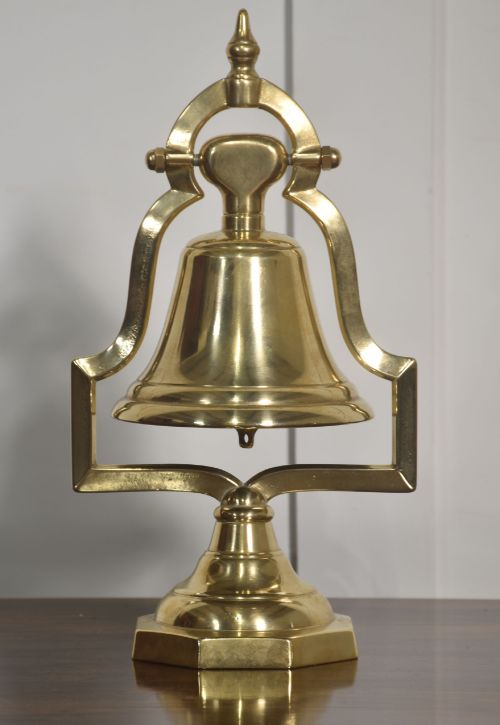
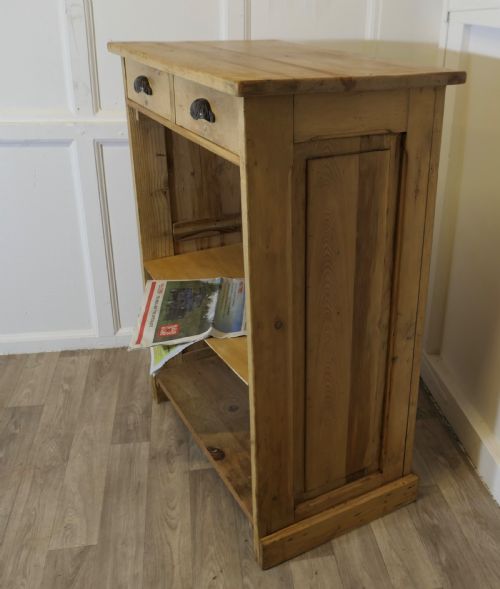
Most examples originate from the nineteenth and early twentieth centuries, encompassing Victorian and Edwardian periods as well as rustic farmhouse and French provincial styles. Large timber pieces often feature panelled construction and functional ledges, while smaller associated items include polished and engraved brass desk bells.
Makers and builders of these commercial fixtures utilised durable native and imported hardwoods to create robust items that defined the threshold between public and private spaces. Whether configured as an L-shaped greeting station or a linear shop counter, these pieces combine utilitarian strength with period character.
Materials and construction methods
Timber selection dictated the longevity of these commercial fixtures, with oak and pine appearing frequently across the inventory in solid boards and panelled configurations. Craftsmen joined structural elements using traditional joinery techniques to ensure stability under heavy daily trade.
Surfaces often received protective treatments including paint finishes, faux wood graining, and polished wax to highlight the natural grain of the wood. Metal components such as brass stands, silver plate, and bronze mounts provided both functional durability and decorative contrast.
Antique Reception Counter Retail Price Guide 2026
Typical asking prices for reception counter among the pieces listed under this phrase on Sellingantiques today, from the lower quarter to the upper quarter. They describe what is for sale here now, not the wider market.
Listings feature items from the Victorian and Edwardian eras, constructed primarily in oak, pine, and brass.
Distinctions in construction and finish
Quality in these commercial furnishings rests upon the integrity of the timber framing and the depth of the original or patinated surface finish. Superior pieces exhibit well-proportioned panelling, sturdy structural joints, and carefully fitted working parts like adjustable feet.
Lesser examples display utilitarian modifications or replacement elements that alter the original silhouette. The degree of hand-carving and the quality of associated hardware, such as cast brass bells on carved wooden stands, elevate the distinction of individual pieces.
The Antique Reception Counter Glossary
- Greeting station
- A dedicated piece of furniture designed for welcoming visitors in hotels, restaurants, or large country houses. These stations provide a surface for staff to manage arrivals.
- Shop counter
- A heavy timber fixture used in retail environments for serving customers and displaying goods. They typically incorporate deep working surfaces and storage ledges on the inner side.
- Faux oak
- A painted or decorative finish applied to cheaper timbers such as pine to imitate the appearance of more expensive oak grain. This technique was common in nineteenth-century commercial joinery.
- Desk bell
- A small percussion instrument placed on a counter or desk to summon service. Examples from this period often combine a polished brass dome with a turned oak or bronze base.
Antique Reception Counter: Frequently Asked Questions
What defines an antique reception counter?
An antique reception counter is a heavy timber furnishing built for commercial trade, greeting guests, or managing hospitality in the nineteenth and early twentieth centuries.
These pieces range from large panelled shop counters and greeting stations to smaller auxiliary items like desk bells mounted on timber stands.
Where were these counters used historically?
Historically, these fixtures stood at the entrance of shops, hotels, and large country houses to regulate entry and conduct business.
They served as a barrier and a workspace where staff could greet visitors, write ledgers, and coordinate daily operations.
How do I integrate one into a modern room?
Integrating an antique counter requires measuring your floor space carefully to accommodate its substantial depth and linear presence.
Large timber counters function effectively as kitchen islands or home bars, while smaller greeting desks serve as distinctive hallway consoles.
What materials are typical for these pieces?
The primary material is solid timber, with oak and pine appearing most frequently across historical examples.
Additional materials include brass, bronze, silver plate, and painted finishes applied to protect the wood and create decorative surface variations.