



Antique Rattan Seating
Antique rattan seating brings tactile warmth and woven lightness into a room, offering enduring comfort across styles from Regency to mid-century.
Antique Rattan Seating
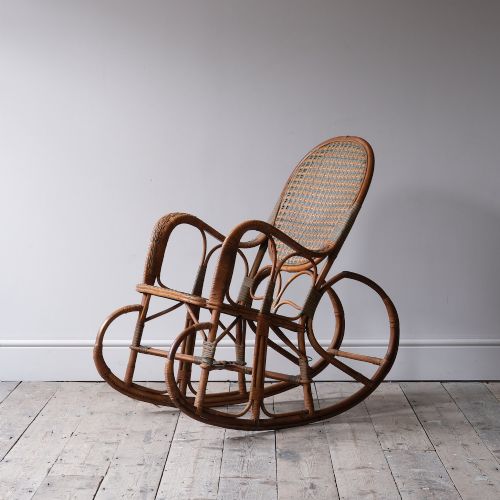
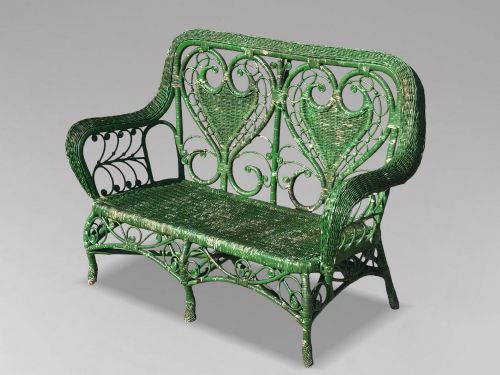
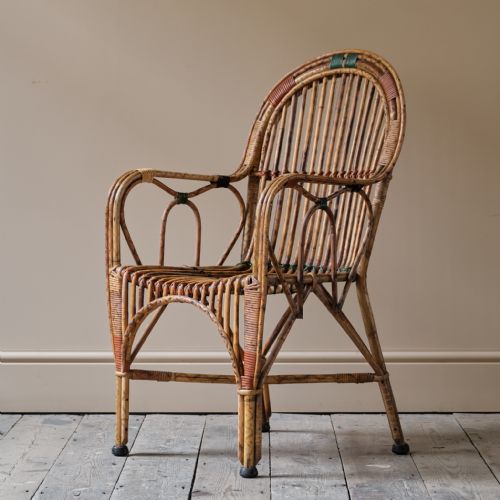
Antique rattan seating encompasses armchairs, daybeds, settees, and stools produced across the nineteenth and twentieth centuries. These pieces utilise woven materials like cane and rattan within wooden frameworks to create resilient yet breathable furniture.
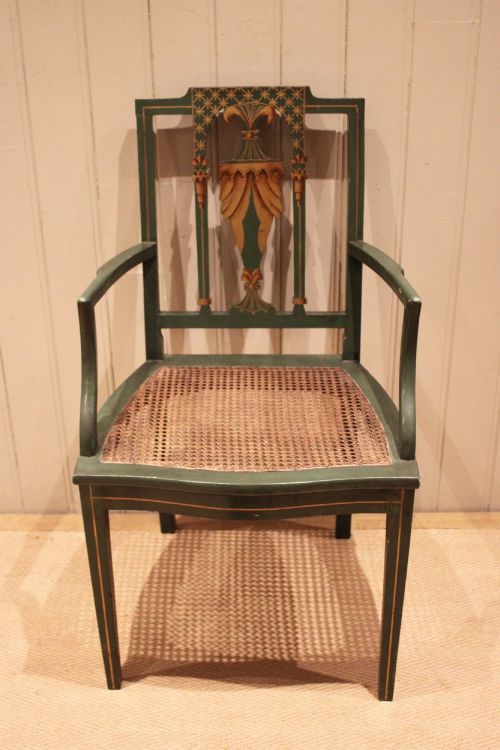
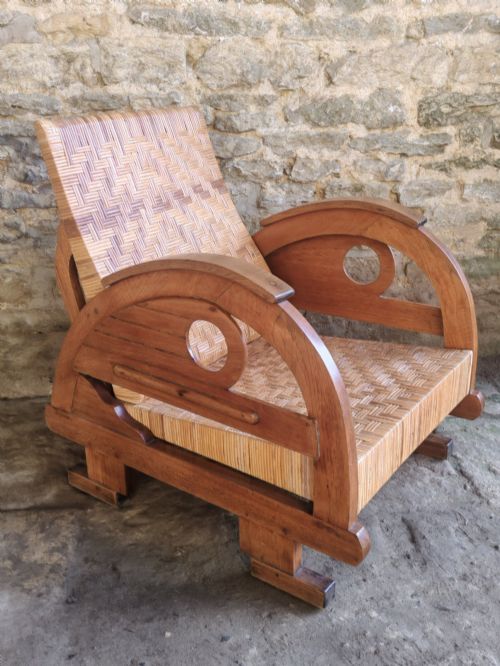
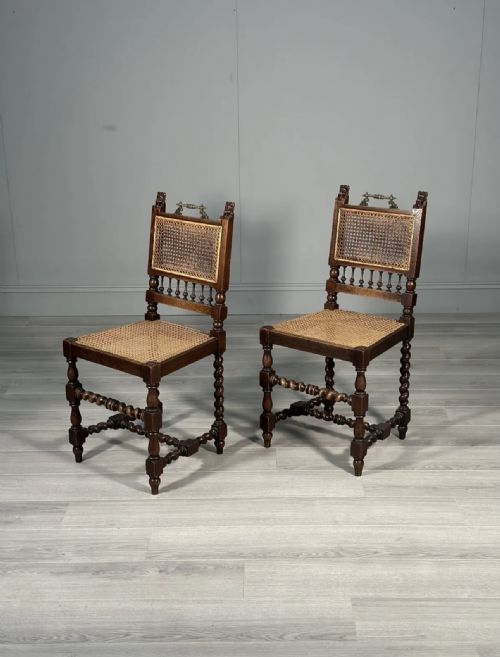
The selection on this page ranges from Regency library chairs and Hepplewhite style side chairs to Arts and Crafts armchairs and Art Deco designs. Buyers encounter everything from formal painted frames to rustic Ceylonese armchairs and bentwood seating.
Nineteenth-century examples frequently feature ebonised wood or mahogany structures with fine cane work, while twentieth-century pieces lean towards robust wicker and rattan constructions from makers such as Dryad and Thonet.
How they were made
Frames are constructed from timbers such as oak, mahogany, and ebonised wood, sometimes accented with brass or paint. Artisans shape these woods using traditional joinery to support the tension of the woven seating surfaces.
The woven components rely on natural materials including cane and rattan, threaded or bound tightly through drilled holes or grooves in the wooden frames. This technique provides both structural strength and flexibility for the user.
Specialised steam-bending methods appear in bentwood pieces, allowing straight timber to form graceful curves without fracturing the grain.
Antique Rattan Seating Retail Price Guide 2026
Typical asking prices for rattan seating among the pieces listed under this phrase on Sellingantiques today, from the lower quarter to the upper quarter. They describe what is for sale here now, not the wider market.
Materials appearing across the inventory include cane, rattan, oak, mahogany, ebonised wood, and brass.
What varies in quality
Quality depends heavily on the precision of the timber framing and the integrity of the joinery. Well-drawn proportions and generous dimensions distinguish finer library chairs and armchairs from standard utility seating.
The tightness and regularity of the woven cane or rattan reveal the skill of the original maker. Uniform strands and intact tension across the seat or back indicate superior craftsmanship and better preservation over time.
Dryad And Co·Dryad Of Leicester·Thonet
The Antique Rattan Seating Glossary
- Bergere
- An enclosed upholstered French armchair with wooden framing and woven cane panels on the back and sides. This style gained popularity during the eighteenth century and continued into later Victorian and Edwardian interpretations.
- Cane
- The peeled, glossy outer bark of the rattan palm, split into thin strips for weaving intricate seat and back panels. It offers a smooth surface and distinct tensile strength.
- Rattan
- A climbing palm species with solid stems used whole for structural furniture framing or split for weaving. It provides flexibility and durability.
- Bentwood
- Timber shaped into curves by exposure to steam and pressure within a mould. This process creates lightweight, strong frames without traditional joints.
- Ebonised wood
- Timber stained or painted black to imitate costly ebony. This finish was widely utilised during the nineteenth century to provide sharp contrast against lighter cane work.
Antique Rattan Seating: Frequently Asked Questions
How do I clean antique cane?
Dust cane panels gently with a soft brush to remove trapped debris. Avoid soaking the material in water.
Maintain the moisture of the natural fibres by wiping them occasionally with a damp cloth, followed by thorough drying.
Can I sit on antique rattan?
Most pieces are structurally sound for regular sitting if the woven panels remain tight and supportive. Inspect the frame joints before daily use.
Heavier users should exercise caution with delicate nineteenth-century cane seats, which may require professional re-caning to handle sustained pressure.
How do I date a bergere chair?
Examine the timber species and the joinery methods used in the frame construction. Regency and Victorian pieces often feature mahogany or oak with hand-cut joints.
Twentieth-century examples introduce different manufacturing marks, lighter frames, and styles associated with the Arts and Crafts movement or Art Deco period.
What is the difference between cane and rattan?
Cane refers specifically to the thin, outer bark strip of the rattan palm used for detailed weaving patterns. It presents a smooth and shiny texture.
Rattan describes the actual solid vine or core of the palm, utilised either as thick structural framing poles or wider woven strands.