



Antique Rattan Chair
An antique rattan chair brings organic texture and resilient seating into a room, spanning styles from Regency library chairs to Art Deco loungers.
Antique Rattan Chair
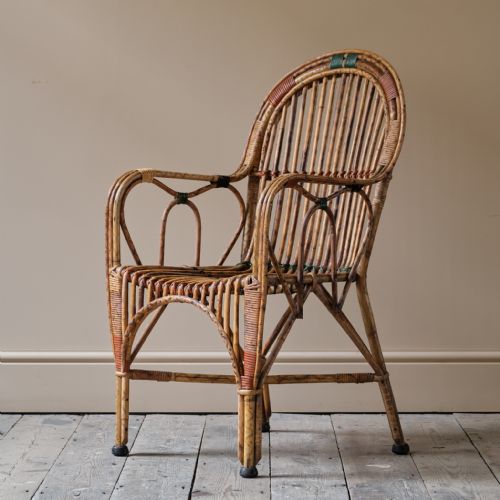
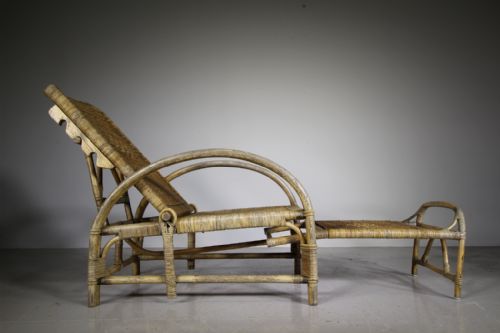
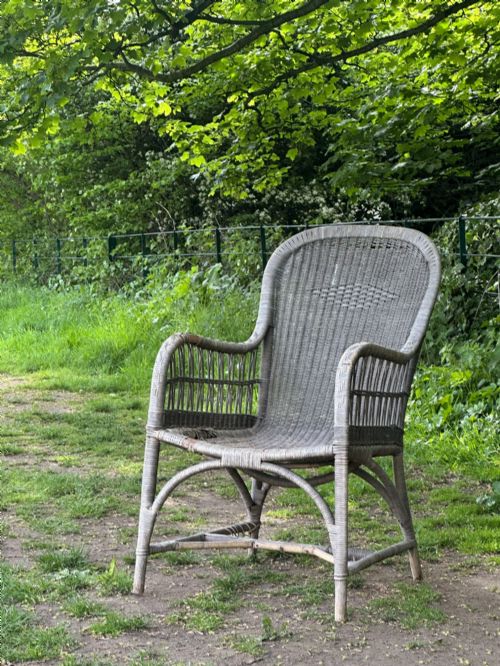
An antique rattan chair combines woven plant fibres with sturdy wooden frames, taking forms such as library armchairs, rocking chairs, and garden loungers. These pieces originate from various eras including the nineteenth century, the Victorian period, and the twentieth century up to the 1940s.
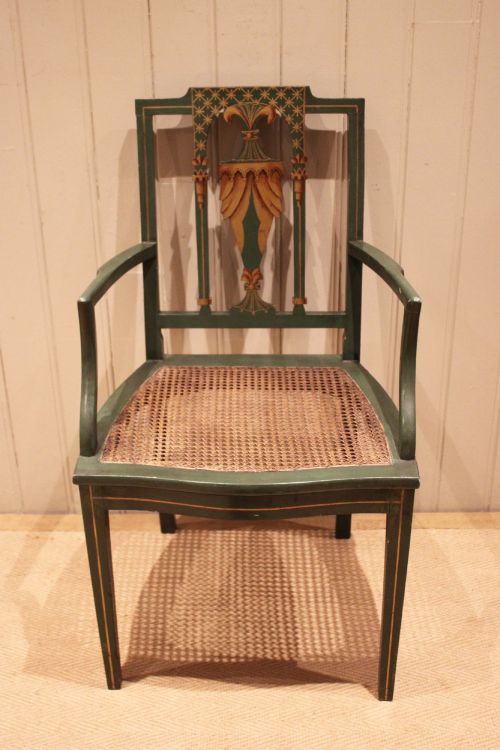
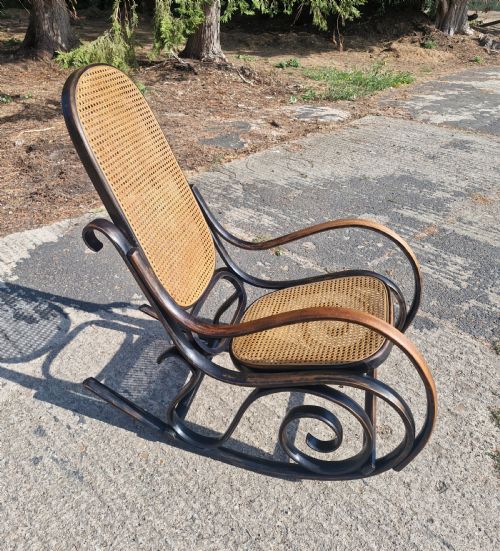
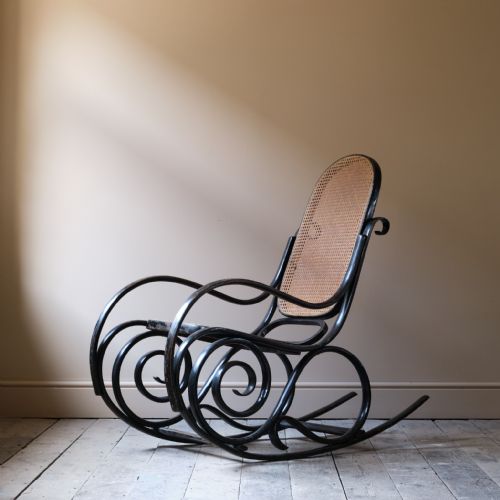
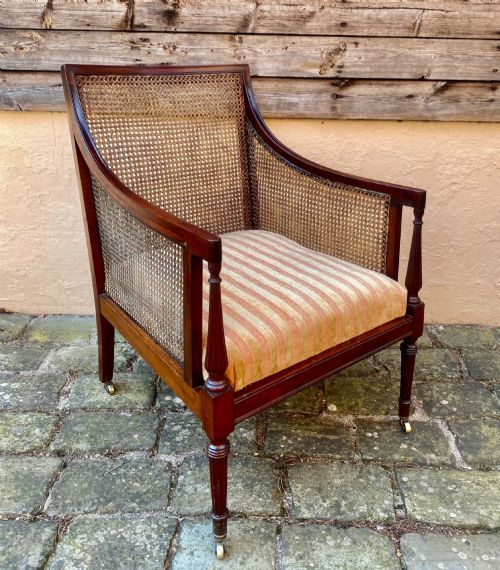
The version most commonly met on this page is the nineteenth-century or early twentieth-century armchair, often featuring woven cane or rattan seats and backs supported by mahogany, oak, or teak frames. Examples range from British colonial seating to European bentwood and Arts and Crafts designs.
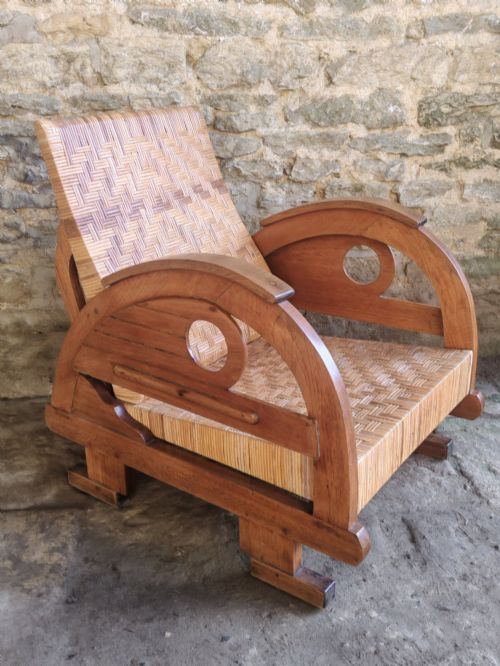
Buyers also encounter specialised forms such as bergere chairs, plantation chairs, and reclining garden armchairs made by notable makers. The selection extends to side chairs, dining chairs, and chaise longues incorporating traditional weaving techniques.
What varies in quality
The standard of a piece depends heavily on the tightness and regularity of the weaving, alongside the structural integrity of the timber frame. Superior examples demonstrate expert joinery and well-drawn proportions that balance comfort with durability.
Provenance and maker attribution elevate certain pieces, particularly signed works from established workshops. The preservation of original surfaces, whether sun-bleached finishes or painted details, also distinguishes finer items from standard production.
Some chairs arrived from distant colonies via steamship, having crossed oceans solely to support a planter's tired feet.
Angraves of Leicester·Dryad of Leicester·Thonet
The Antique Rattan Chair Glossary
- Bergere
- An enclosed armchair with upholstered sides and a cane or rattan back and seat. This style originated in France during the eighteenth century and remained popular through the Victorian and Edwardian periods.
- Cane
- Strips of material derived from the peeled bark of rattan palms, woven into various mesh patterns for chair seats and backs. It offers both flexibility and structural strength.
- Bentwood
- Wood that has been rendered pliable by steam and shaped into curved forms. This technique is closely associated with nineteenth-century manufacturers like Thonet.
- Plantation chair
- A wide-seated armchair featuring extended or adjustable arms designed for lounging in warm climates. These chairs often utilise tropical hardwoods and woven cane.
- Peacock chair
- A large decorative armchair featuring an expansive, fan-shaped back woven from rattan and cane. These chairs draw on traditional craftsmanship often associated with Southeast Asian and colonial designs.
Antique Rattan Chair: Frequently Asked Questions
How do I clean an antique rattan chair?
Dust the woven surfaces regularly with a soft brush or vacuum attachment to prevent dirt accumulation within the fibres. Avoid excessive moisture, wiping the material only with a barely damp cloth when necessary.
Condition the wood frames with appropriate furniture wax while keeping the natural plant fibres dry and away from direct heat sources to prevent cracking.
Can these chairs be used outdoors?
Most antique rattan chairs were designed for indoor or sheltered garden use rather than permanent outdoor exposure. Dampness and direct sunlight degrade natural plant fibres and weaken the wooden frames over time.
Keep garden armchairs and loungers in covered spaces like conservatories or porches to preserve their structural integrity and surface finishes.
What is the difference between cane and rattan?
Rattan refers to the solid climbing palms native to tropical regions, which are utilised whole for framing or peeled for various components. Cane specifically denotes the glossy outer bark stripped from the rattan vine and woven into mesh.
While rattan provides the sturdy structural framework of the chair, cane forms the flexible, patterned surfaces of the seat and back.