



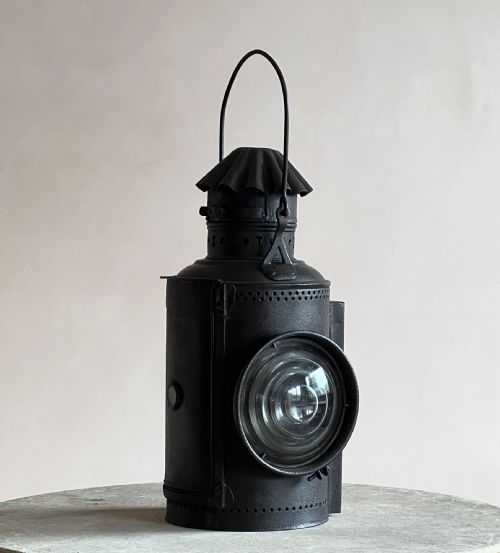


Antique Railway Lighting
Antique railway lighting brings heavy-duty utility and rich metalwork into domestic rooms, offering genuine transport history built to last.
Antique Railway Lighting
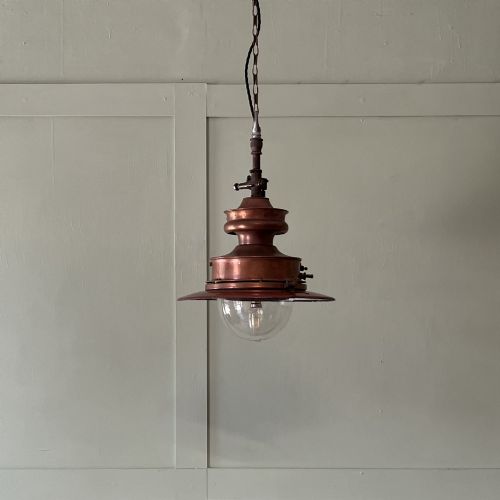
When you search for antique railway lighting, you encounter robust utilitarian pieces designed for transport networks, from Victorian copper hanging lanterns to Edwardian Pullman carriage lamps. These objects carry the marks of heavy service across various networks including the GWR and LNER.
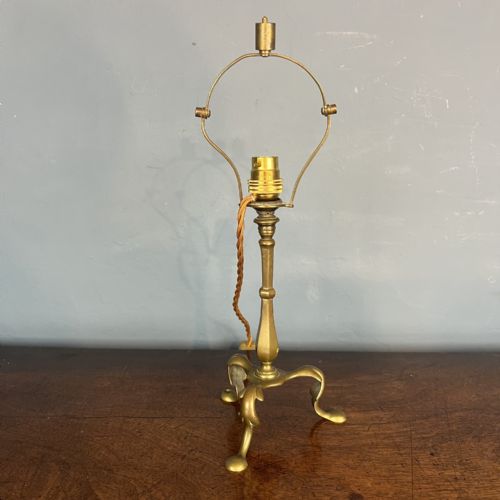
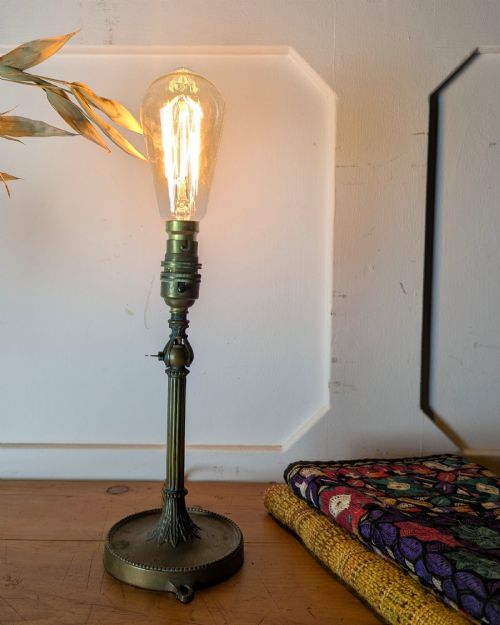
The versions most commonly met on this page are brass Pullman lamps and oil-burning signal lanterns featuring heavy iron, copper, and glass construction. They span periods from the nineteenth century through the 1940s, reflecting changing industrial technologies and carriage interior designs.
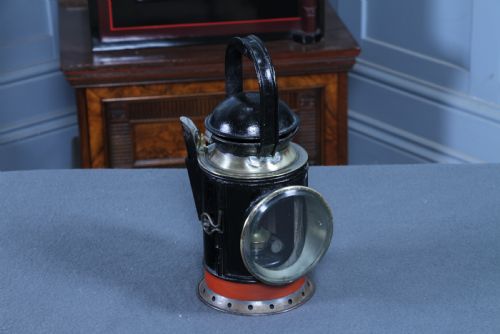
Beyond wall and table lamps, the selection includes specialised railway hand lanterns with tri-colour lenses and ceiling-mounted fixtures. Each piece represents the sturdy manufacturing standards required by nineteenth and twentieth-century railway companies.
How they were made
Makers utilised durable metals like solid brass, copper, and painted steel to withstand the vibrations and harsh conditions of locomotives and carriages. These materials were shaped into functional casings designed to protect delicate oil burners and early electrical fittings.
Heavy glass lenses, including opaline shades and multi-coloured optical glass, were fitted securely into metal frames to project and direct light efficiently. Gimbal mechanisms were also incorporated into specific lamps to maintain an even flame despite the motion of a train or ship.
Antique Railway Lighting Retail Price Guide 2026
Typical asking prices for railway lighting among the pieces listed under this phrase on Sellingantiques today, from the lower quarter to the upper quarter. They describe what is for sale here now, not the wider market.
Some inspector lamps include hidden levers that slide red and green glass panels across the flame in a flash.
What varies in quality
The distinction between standard utility items and finer pieces often rests on the sophistication of the metalwork, such as the heavy casting of solid brass components versus simpler painted steel. Surviving maker marks, company stamps like GWR or LNER, and original manufacturer plates elevate the historical interest of a piece.
The preservation of original components, including specialised multi-colour lenses, intact opaline glass shades, and working gimbal mounts, determines the integrity of the object. Pieces that retain their original railway company identification and untouched patination represent the upper end of the range.
The Antique Railway Lighting Glossary
- Pullman lamp
- A specialised light fixture designed for luxury railway carriages, frequently constructed from polished brass with opaline glass shades. These fixtures provided subdued illumination for passengers during long journeys.
- Gimbal
- A pivoted ring assembly that allows a lamp to remain level despite the movement of a train or ship. This mechanism prevented oil lamps from spilling while in transit.
- Opaline glass
- A milky, translucent white glass used in carriage lamps to diffuse light softly without glare. It became popular during the Edwardian period for interior transport lighting.
- Hand lantern
- A portable oil-burning lamp fitted with a handle and specialised lenses, used by inspectors and guards for signalling and communication. These often include internal mechanisms to rotate different coloured glass filters.
Antique Railway Lighting: Frequently Asked Questions
How do I mount a Pullman lamp?
Many Pullman lamps were originally manufactured with dual fittings to serve as either table or wall lamps. You can attach them securely to a wall using appropriate brackets or wire them for safe placement on a sturdy surface.
Consult a qualified electrician to ensure any historical wiring or conversion to modern electrical standards is carried out safely before daily use in your home.
Can these oil lamps still burn oil?
While many historical signal and carriage lamps retain their original burners and oil reservoirs, using them with modern lamp oil requires careful cleaning and inspection. Old seals and metal fonts should be checked thoroughly to prevent leaks.
Most collectors prefer to display these pieces as decorative items or convert them to electricity rather than burning oil inside domestic spaces.
What do company stampings mean?
Initials such as GWR or LNER stamped into the metal indicate the specific railway network that operated and maintained the equipment. These marks help historians and buyers trace the geographical origin and era of the piece.
Company stampings add a layer of authenticity and provenance, connecting the physical object directly to British transport history.
How should I clean brass and copper?
Preserving the aged patination is generally recommended by dealers, as harsh metal polishes can strip away decades of historical character. A gentle dusting with a dry cloth or light application of microcrystalline wax is usually sufficient.
Avoid abrasive cleaners that might damage original manufacturer stampings or wear down the exposed surfaces of the softer metals.