

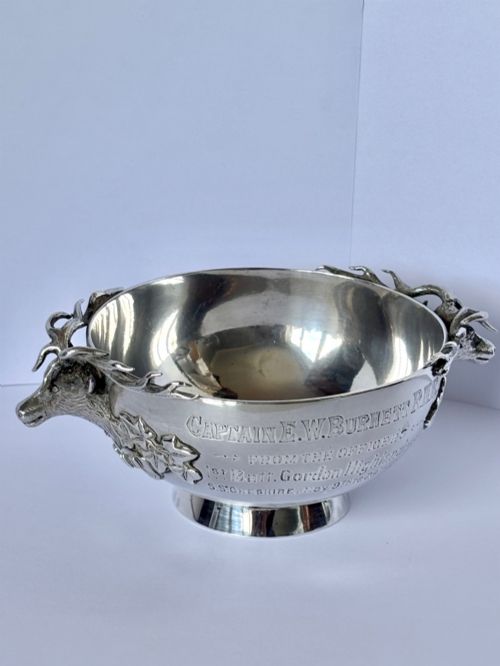
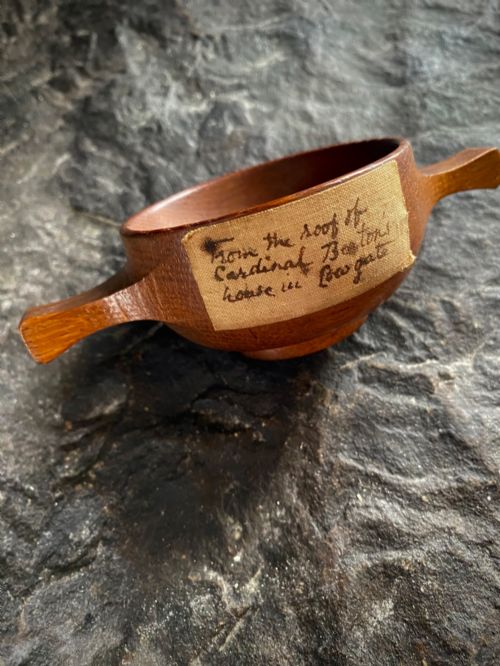
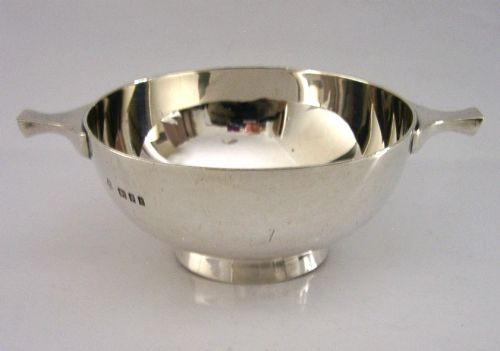
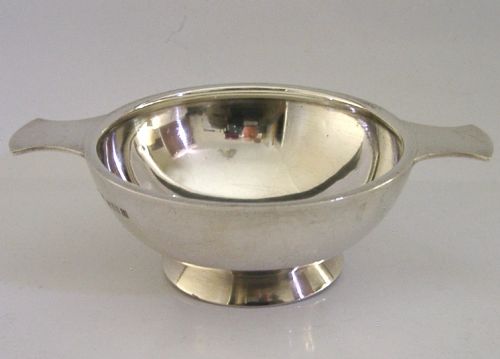


Antique Quaich Bowl
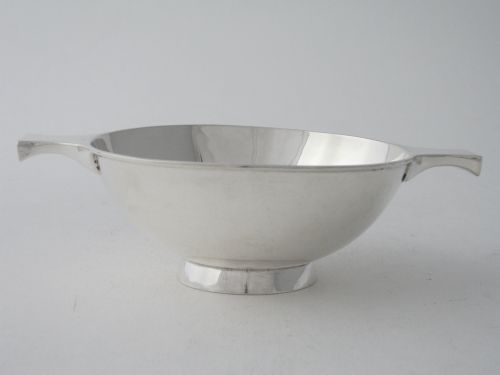
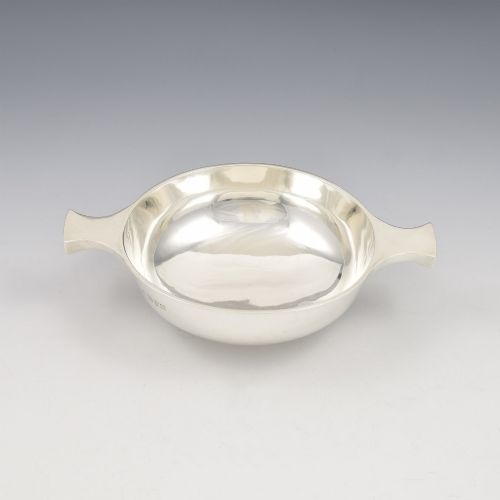
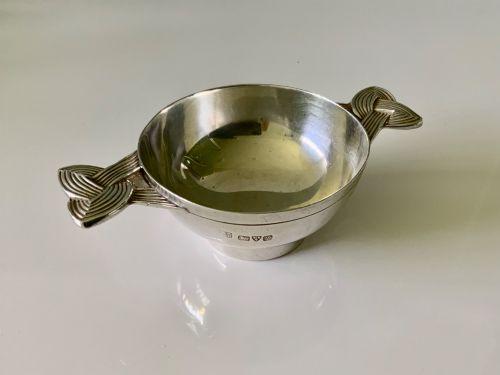
An antique quaich bowl brings a traditional Scottish drinking vessel into your home, prized for its two flat handles and shallow form.
Antique Quaich Bowl
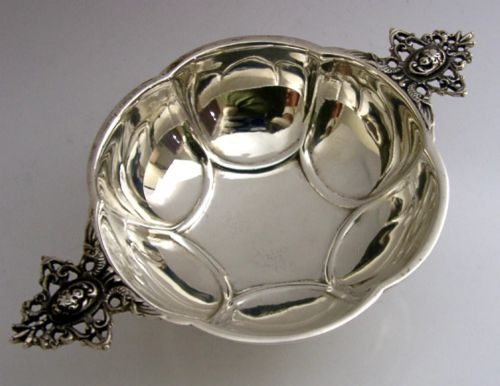
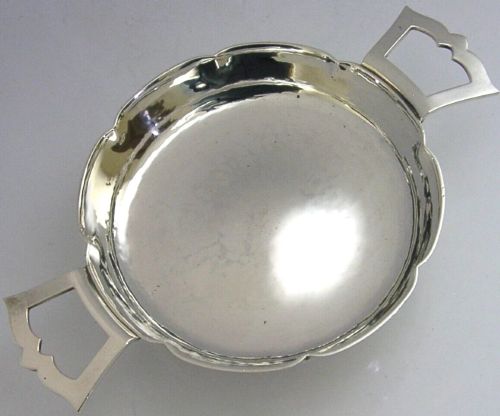
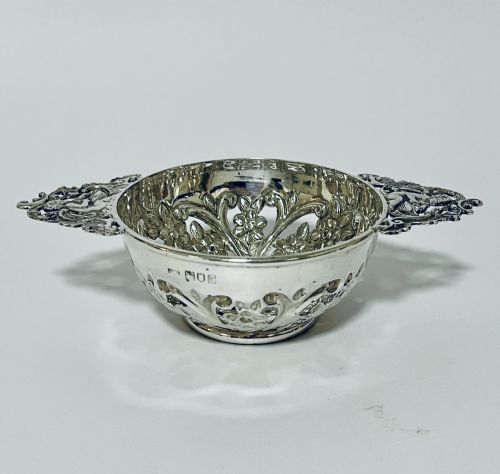
An antique quaich bowl is a two-handled drinking vessel rooted in Scottish tradition, appearing here in forms ranging from traditional barware to novelty barrel designs. You will encounter pieces spanning the Victorian and Edwardian eras through to the mid-twentieth century, reflecting diverse regional interpretations.
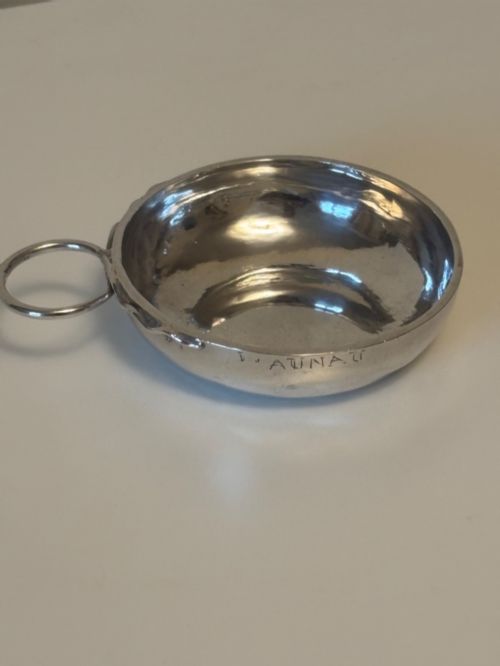
Makers utilise these materials to shape functional bowls, wine tasters, and porringers. Each piece carries the distinct hallmarks of its period, from early twentieth-century barware to nineteenth-century continental interpretations.
Materials and Construction
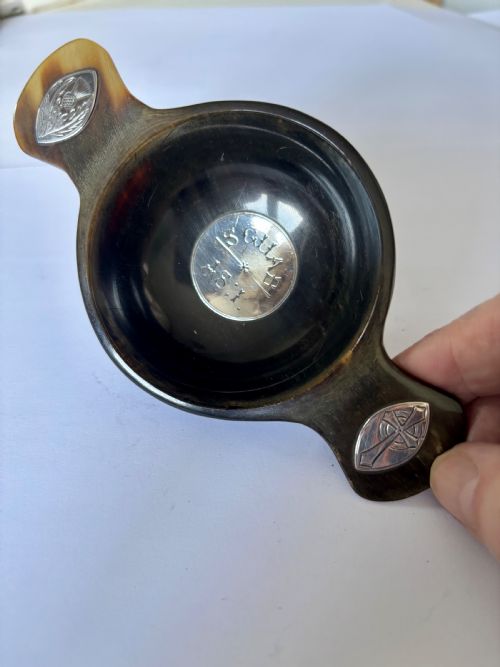
Silversmiths constructed these vessels primarily from solid and sterling silver, employing hammering and planishing techniques to shape the metal bodies and distinctive lugs. Some pieces combine silver mounts with natural horn, creating tactile contrasts between organic and metallic elements.
Pewter appears in specialised workshops, offering a heavier, matte alternative to polished silver. Artisans applied hand-beaten textures and traditional Celtic motifs to enrich the plain surfaces of the bowls.
Antique Quaich Bowl Retail Price Guide 2026
Typical asking prices for quaich bowl among the pieces listed under this phrase on Sellingantiques today, from the lower quarter to the upper quarter. They describe what is for sale here now, not the wider market.
Victorian makers occasionally turned solid silver into the shape of a miniature drinking barrel complete with tiny staves.
Distinctions in Quality
Quality rests upon the crispness of the hallmarks, the weight of the metal, and the balance of the two characteristic handles. Hand-planished surfaces show the deliberate skill of the metalsmith, distinguishing individual studio pieces from mass-produced items.
The integrity of the construction, particularly where the lugs join the bowl, determines the enduring stability of the vessel. Horn examples depend upon the careful pairing of the organic shell with secure silver rims and mounts.
Nathan and Hayes·Pierre Fournerot·Mackay and Chisholm·Liberty Pewter Tudric
The Antique Quaich Bowl Glossary
- Quaich
- A traditional Scottish drinking vessel featuring a shallow circular bowl and two opposing handles known as lugs. These handles allowed the drinker to hold the cup securely with both hands.
- Lug
- A flat, projecting handle attached to the side of a quaich. Most vessels feature two such grips, often pierced for decoration.
- Planished
- A metal surface finished by hammering with a small, flat-faced tool to create uniform facets. This technique hardens the silver while adding subtle texture.
- Porringer
- A small, single-handled or two-handled bowl used for food or drink. They share structural similarities with certain quaich forms.
- Tudric
- A trade name used by Liberty and Co. for a range of pewterware produced during the early twentieth century. These pieces frequently embrace Arts and Crafts aesthetics.
Antique Quaich Bowl: Frequently Asked Questions
What is a quaich used for?
A quaich served historically as a traditional drinking cup for whisky or welcoming drams in Scotland.
Today, people use them as decorative table pieces, Christening bowls, or unique vessels for special toasts.
How do I date an antique quaich?
Dating relies upon examining the official hallmarks stamped into the silver, which record the assay office, standard, and year letter.
Stylistic markers such as Celtic Revival strapwork or mid-century minimalism also point to specific decades of production.
Are all quaichs made of silver?
While silver is the most common material found in these vessels, makers also worked in pewter and natural horn mounted with silver rims.
Each material dictates a different weight and texture while retaining the signature two-handled bowl shape.
How do I care for a silver quaich?
Maintenance involves gentle cleaning with a soft cloth to preserve the finish without wearing down engraved details or hallmarks.
Avoid harsh chemical dips, particularly on pieces that combine silver with organic materials like horn.