



Antique Qing Figurine
An antique qing figurine brings the craftsmanship of historic China into a room, offering carved stone, cast bronze or painted porcelain crafted centuries ago.
Antique Qing Figurine
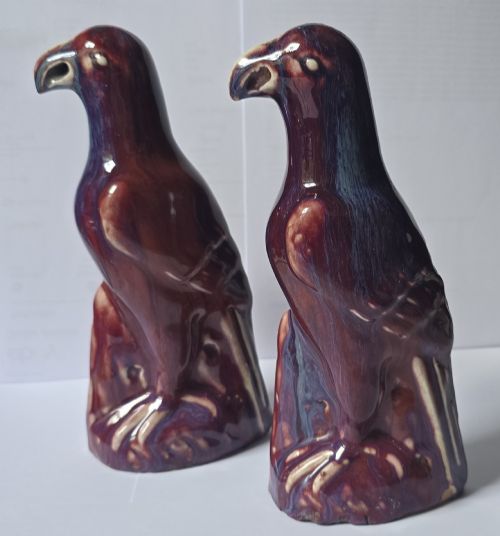
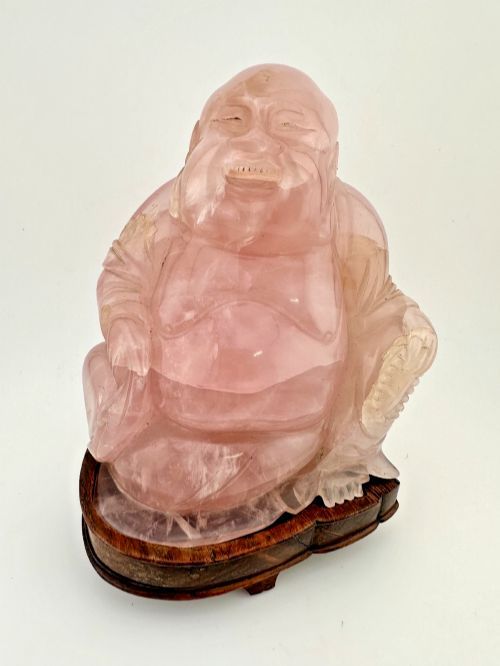
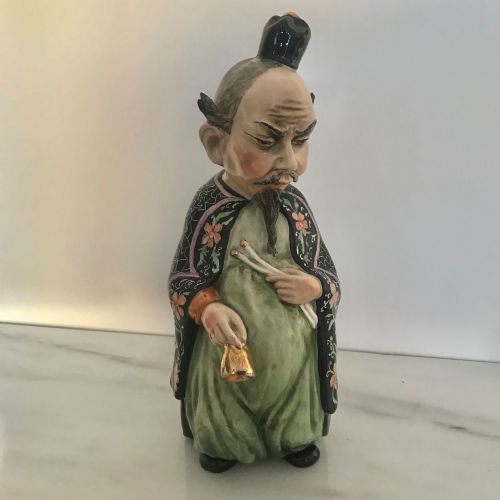
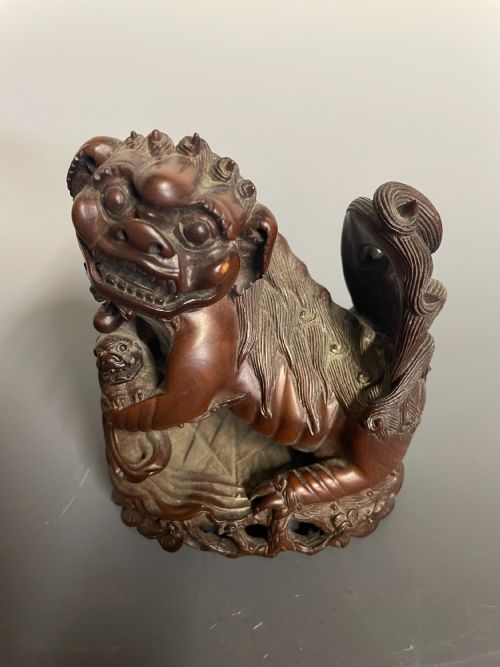
An antique qing figurine represents human figures, deities, immortals, birds and animals created during the Qing dynasty and the surrounding transitional eras. These objects manifest in materials ranging from soapstone and hardwoods to porcelain and bronze, taking the form of standalone sculptures, pendants or pairs.
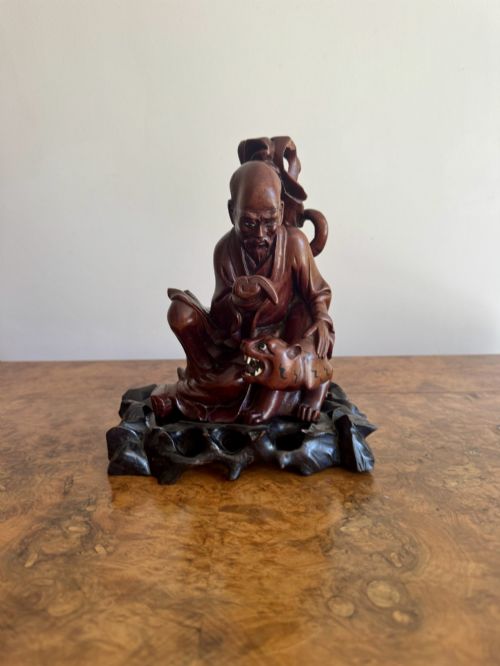
The versions most commonly met on this page date from the nineteenth century, spanning from eighteen eighty to nineteen ten. Buyers encounter both small handheld pendants and substantial carved groups depicting scholars, fishermen or mythical creatures.
Materials and construction methods
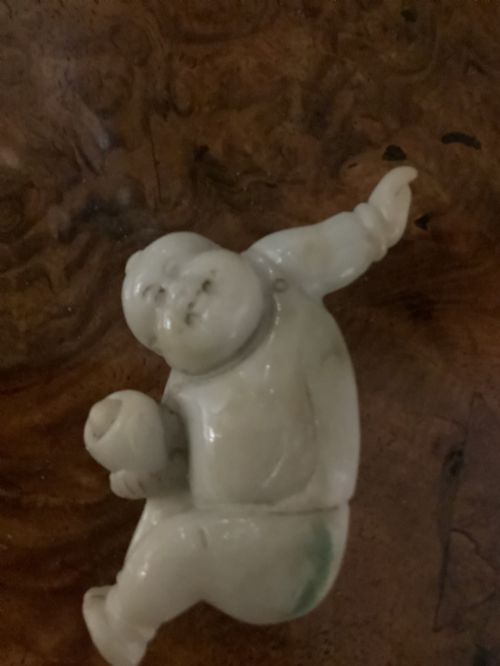
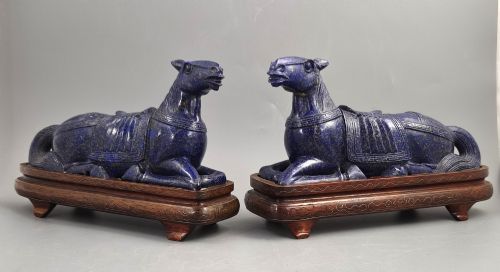
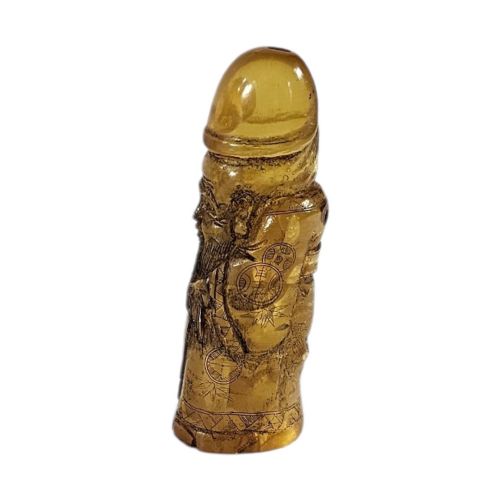
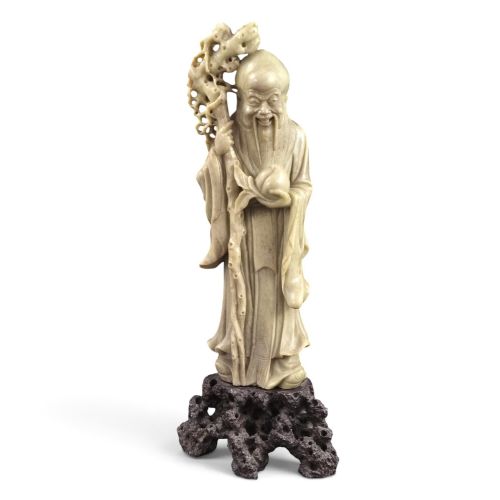
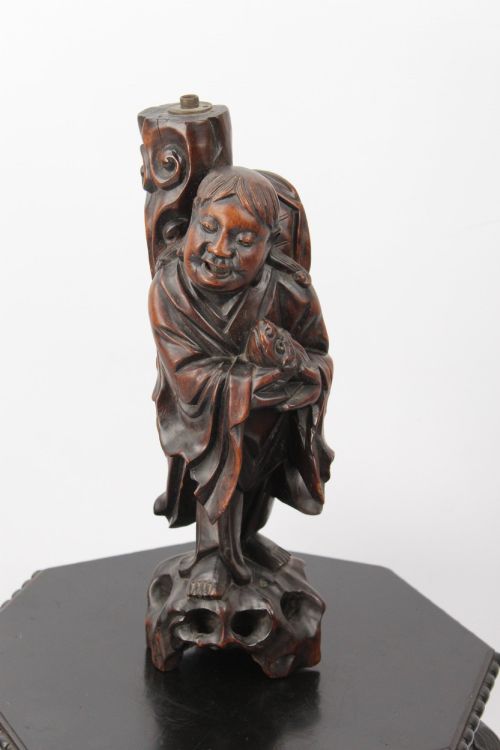
Carvers shaped organic materials like hardwood, boxwood, root wood and amber using chisels and knives to follow natural grain patterns. Stone workers utilised soapstone, jade, turquoise and lapis lazuli, grinding and polishing the mineral to reveal depth and colour.
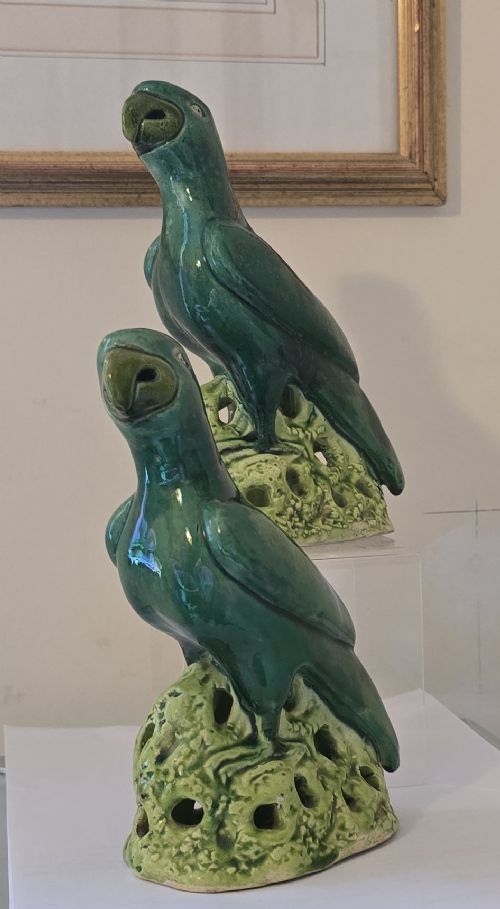
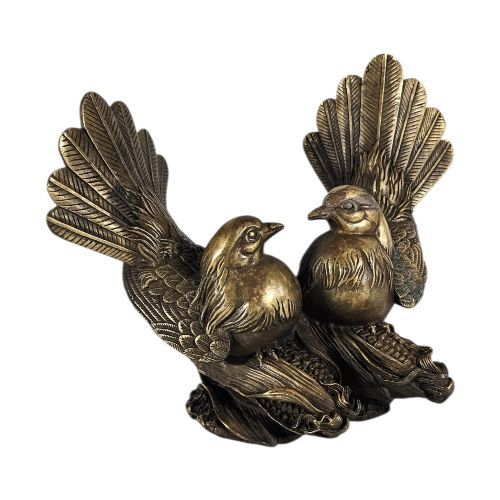
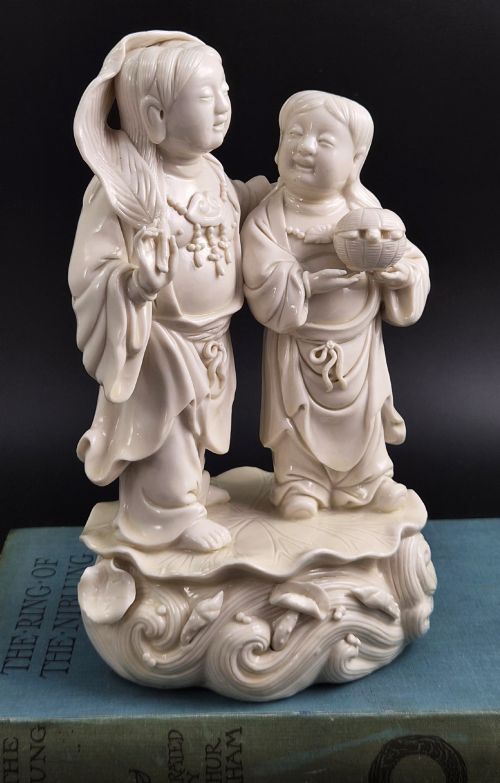
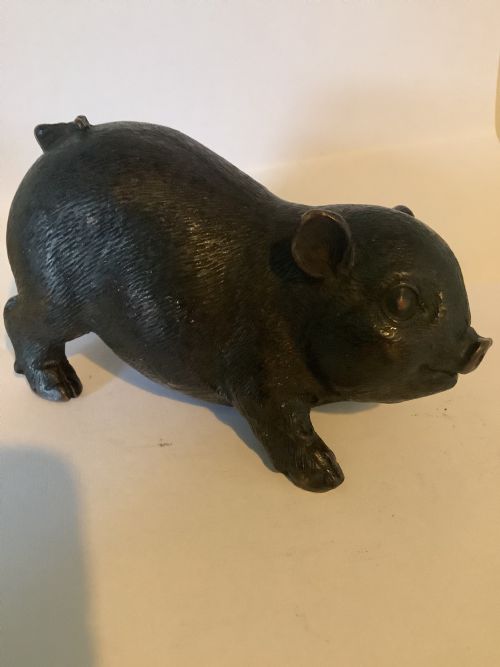
Potters shaped clay into figures before applying glazes such as turquoise or white blanc-de-chine, while metalworkers cast bronze objects using traditional methods and occasionally added enamel or silver inlay.
Antique Qing Figurine Retail Price Guide 2026
Typical asking prices for qing figurine among the pieces listed under this phrase on Sellingantiques today, from the lower quarter to the upper quarter. They describe what is for sale here now, not the wider market.
Several stone and bronze listings record pairs of recumbent horses, doves and mandarins.
Distinctions in craftsmanship
The calibre of an antique qing figurine depends on the precision of the carving and the fluidity of the form. Superior examples display fine detail in facial expressions, drapery folds and feather textures, whereas lesser pieces exhibit stiffness and generalised shaping.
Material selection also dictates standing, with dense hardwoods, unblemished jade, heavy bronze castings and controlled enamel decorations marking the upper tier of production.
The Antique Qing Figurine Glossary
- Blanc-de-chine
- A white porcelain produced in Dehua, China, known for its creamy glaze and smooth texture. It is frequently seen on figures of deities and immortals.
- Famille rose
- A palette of opaque enamel colours dominated by pink, introduced during the Qing dynasty. This technique decorates porcelain figures, birds and vessels.
- Soapstone
- A soft metamorphic rock composed chiefly of talc, easily carved into intricate figures and groups. Its density varies from piece to piece.
- Shoulao
- The Taoist god of longevity, typically represented with a high forehead and holding a peach. Sculptures of this figure appear in soapstone, wood and amber.
Antique Qing Figurine: Frequently Asked Questions
What materials are antique qing figures made from?
These sculptures utilise a diverse range of natural substances selected by period artisans. Common materials include hardwoods, root wood, soapstone, jade, bronze, porcelain and cloisonné.
Craftsmen matched the medium to the subject, using soft soapstone for large deities and fine porcelain for birds and cockerels.
How do I date an antique qing figurine?
Dating relies on stylistic markers, material wear and production techniques recorded in the piece. Most examples on this page stem from the nineteenth and early twentieth centuries.
Examining the base, glaze consistency and tool marks helps differentiate late Qing production from earlier or later Republic pieces.
Who do these figurines depict?
The subjects include Taoist and Buddhist deities, immortals such as Shoulao and Liu Hai, scholars, fishermen and various animals. Figures of ducks, horses, water buffaloes and parrots are also common.
Many of these subjects carried symbolic meanings related to longevity, prosperity and harmony within the household.
How should I display carved wooden figures?
Wooden sculptures require stable environmental conditions away from direct sunlight and extreme humidity changes. This preserves the patina and prevents the wood from splitting.
Placing them on flat, secure surfaces allows the carved details and grain patterns to be appreciated without risk of falls.