




Antique Putti Ornament
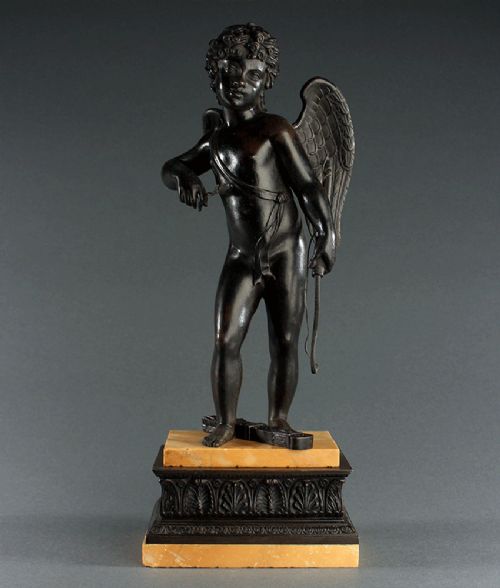
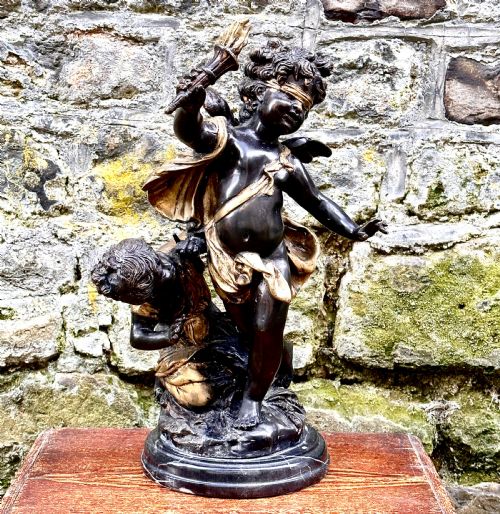
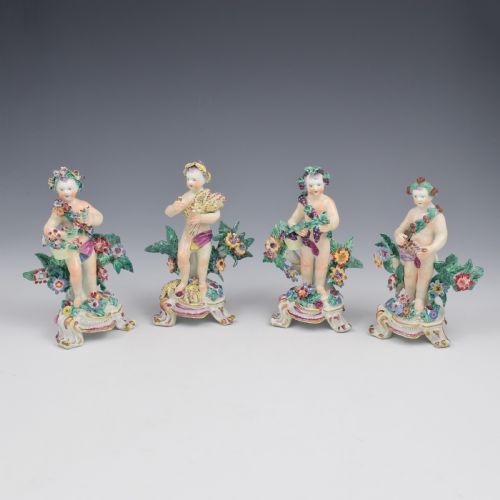
An antique putti ornament brings classical charm to a room, taking the form of sculpted cherubs crafted from bronze, porcelain, and stone.
Antique Putti Ornament
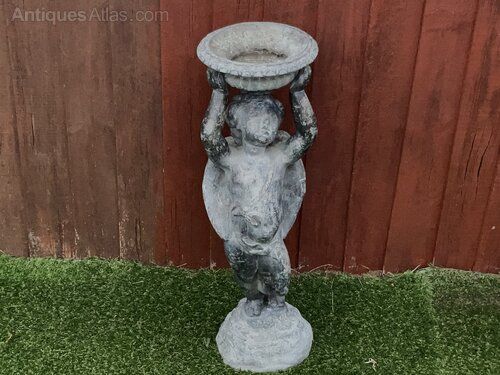
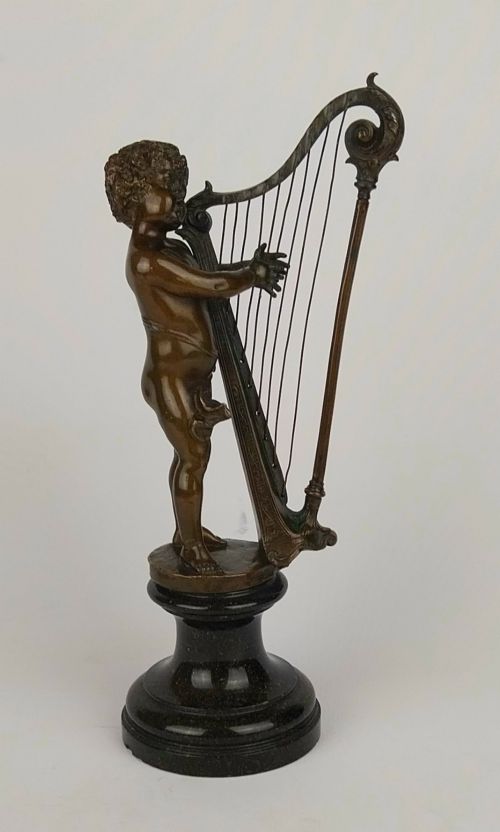
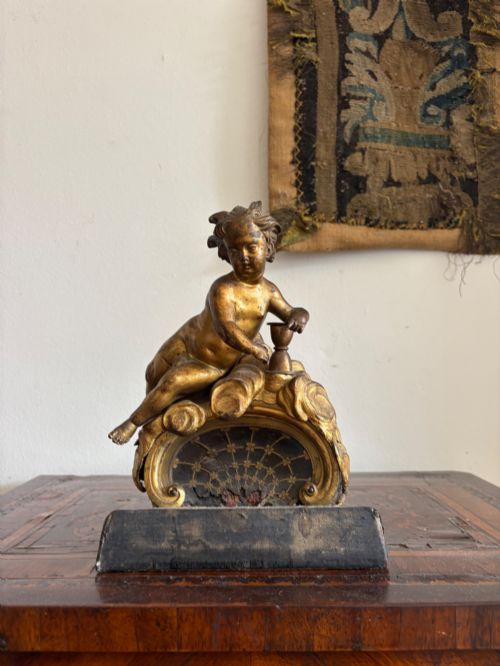
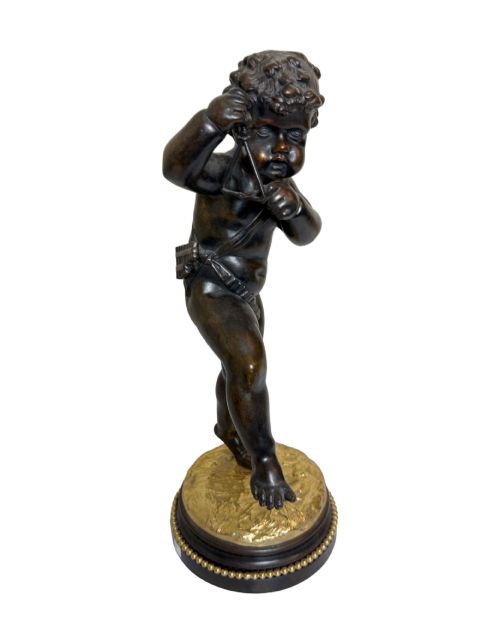
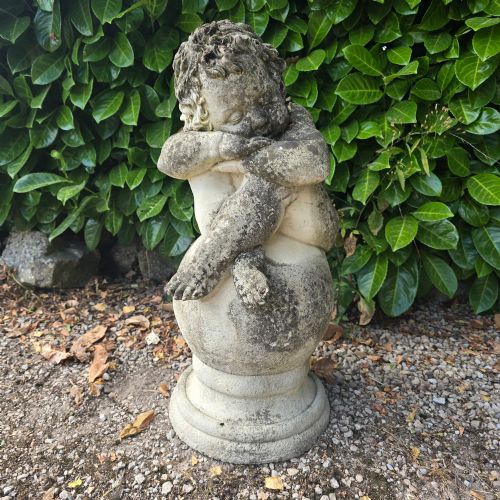
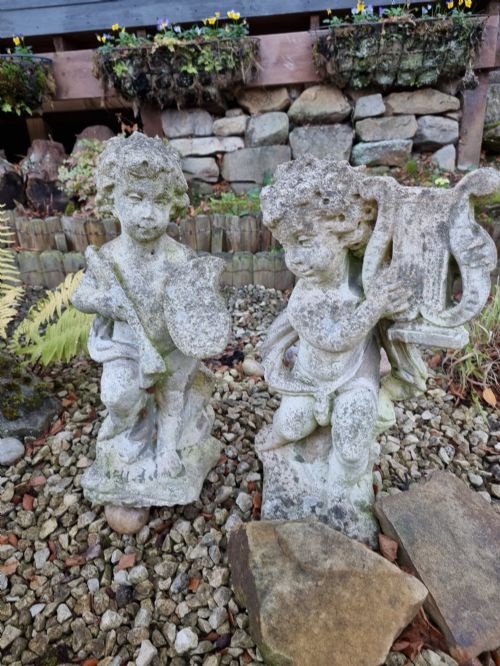
When searching for an antique putti ornament, buyers encounter sculptural depictions of winged or wingless children derived from classical mythology. These figures appear across various forms, including cabinet bronzes, porcelain figurines, furniture mounts, and garden statues.
The pieces listed on this page span several centuries, with the nineteenth century heavily represented alongside eighteenth-century works. Forms range from small decorative finials and musical figures to substantial stone garden statues and porcelain centrepieces.
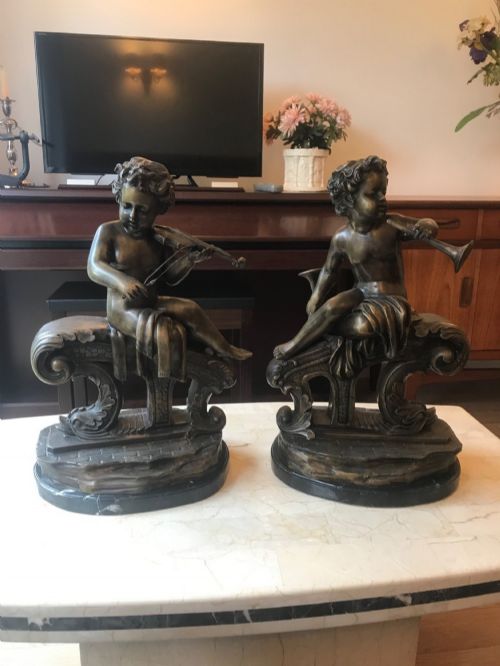
Origin points encompass English, French, German, and Italian workshops, reflecting both Grand Tour tastes and domestic interior trends. Buyers regularly find pairs intended for mantelpieces, chenets, or architectural placements.
Materials and construction methods
Metal versions rely predominantly on bronze and gilt bronze, utilising traditional lost-wax casting to achieve fine anatomical detail. Surfaces receive patination or gilding to enhance texture, while lead and cast iron serve for heavier garden figures.
Ceramic examples employ hard-paste porcelain or earthenware, shaped in moulds and hand-painted with enamel pigments before high-temperature firing. Details such as musical instruments, baskets, and floral garlands are often modelled separately and applied prior to glazing.
Antique Putti Ornament Retail Price Guide 2026
Typical asking prices for putti ornament among the pieces listed under this phrase on Sellingantiques today, from the lower quarter to the upper quarter. They describe what is for sale here now, not the wider market.
Several cherubs hold tricorn hats, musical triangles, or sit atop shells, proving that eighteenth-century putti knew how to party.
Distinctions in execution and finish
Quality rests upon the crispness of the modelling and the sensitivity of the finishing work, particularly in facial expressions and hair texture. Superior bronze castings retain sharp musculature and clean chasing, whereas inferior examples lose definition in secondary details.
Porcelain quality appears in the subtlety of the polychrome enamel painting and the precision of the moulding seams. Well-executed pieces avoid heavy glaze pooling and display careful hand-finishing on extremities and drapery.
Bow Porcelain·Royal Worcester·Meissen·Karl Tutter·Kerr and Binns
The Antique Putti Ornament Glossary
- Putto
- A plump, often winged child figure originating in classical art. The plural form is putti, commonly associated with Renaissance and later revival styles.
- Ormolu
- Gilt bronze produced by applying a mercury and gold amalgam to a bronze base. This technique creates a durable, rich golden surface typical of fine French decorative objects.
- Chenet
- An ornamental metal fire dog placed on a hearth. These often incorporate putti or classical figures on the visible front supports.
- Finial
- A relatively small decorative carving or casting fixed to the top of a piece of furniture, clock, or urn. They terminate vertical lines and provide visual closure.
- Grand Tour
- A cultural journey undertaken by wealthy young Europeans through France and Italy. Travellers collected small bronzes and antiquities to demonstrate their learning and status.
Antique Putti Ornament: Frequently Asked Questions
What is a putto?
A putto is a representation of a small child, frequently winged, derived from classical sculpture. Artists revived this motif during the Renaissance and continued using it into the nineteenth century.
In decorative objects, these figures often engage in activities like playing instruments, gathering fruit, or resting upon natural elements.
Where were porcelain putti made?
European porcelain factories produced putti figures extensively, with German manufactories like Meissen leading production in the eighteenth century. English works such as Bow and Royal Worcester also created notable examples.
These ceramic pieces served as table centrepieces, mantel decorations, or parts of allegorical seasonal sets.
How do I care for bronze putti?
Bronze requires minimal intervention beyond gentle dusting with a soft, dry cloth. Avoid applying commercial polishes, which can strip historic patination.
Keeping the metal away from direct moisture preserves the surface finish, particularly for items displayed indoors.
Are garden putti frost resistant?
Garden figures made from cast stone or lead generally withstand outdoor conditions, but historical pieces benefit from winter protection. Reconstituted stone and lead can be susceptible to freeze-thaw cycles if water settles in crevices.
Moving delicate pieces indoors during severe frost prevents cracking or structural weakening.