


Antique Putti Figures
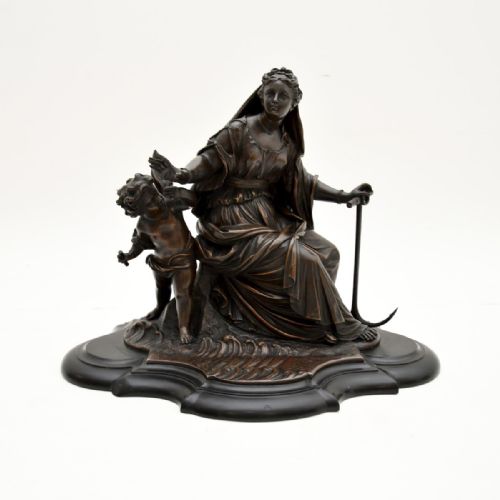
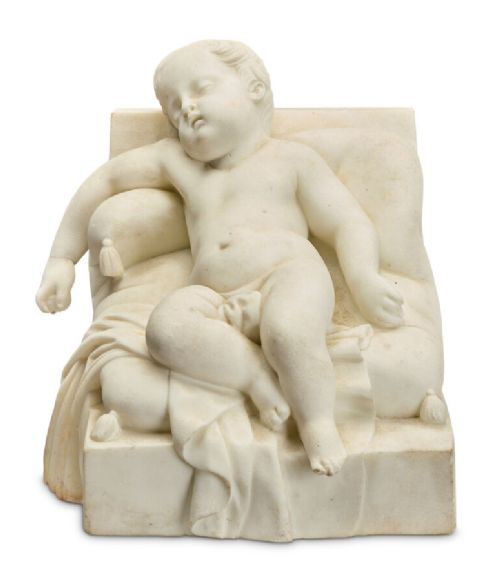
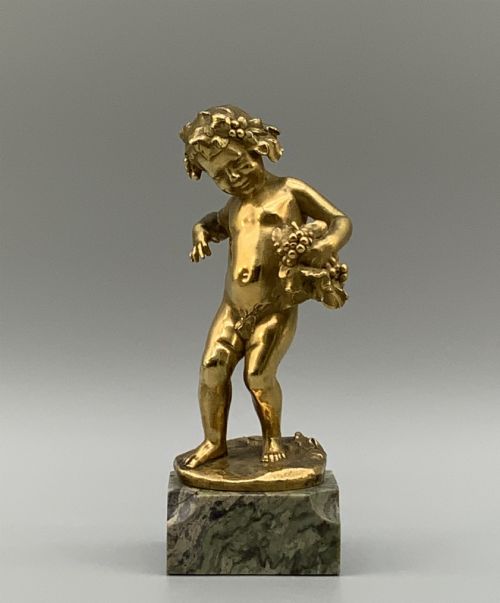
These antique putti figures bring winged infant energy into a room, shaped in bronze, marble, and porcelain across several centuries.
Antique Putti Figures
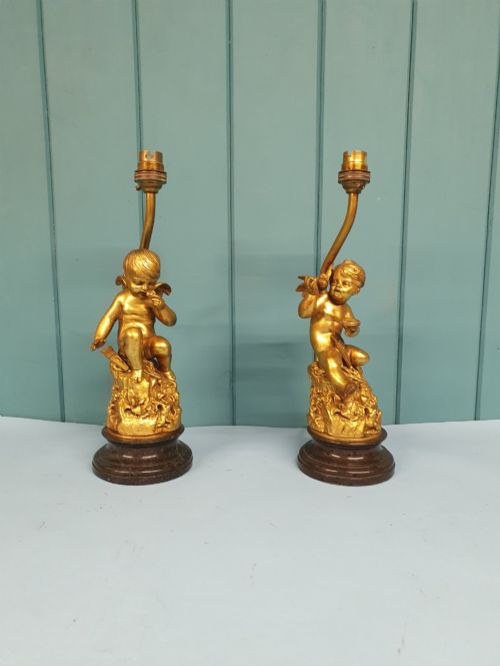
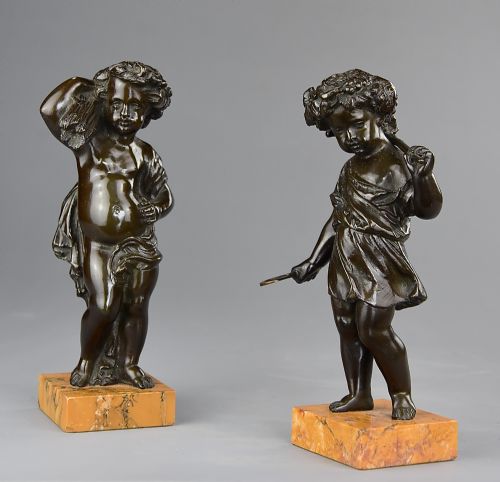
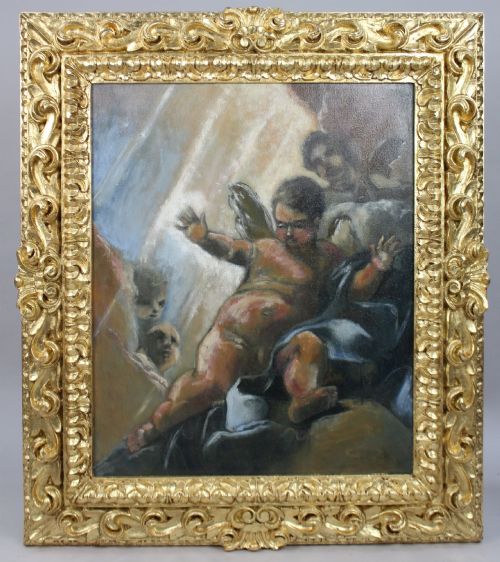
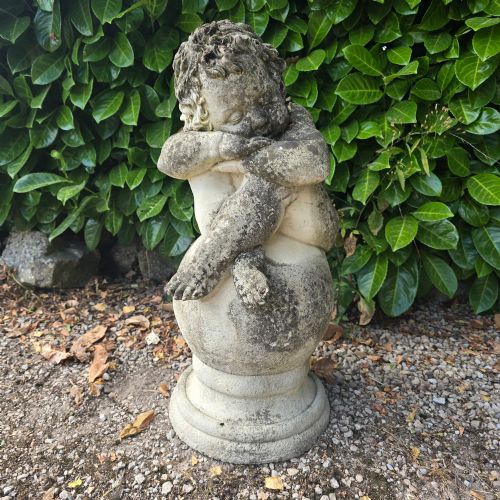
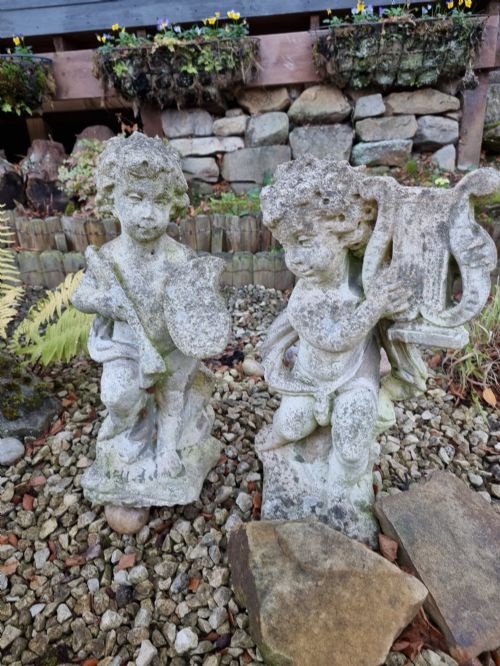
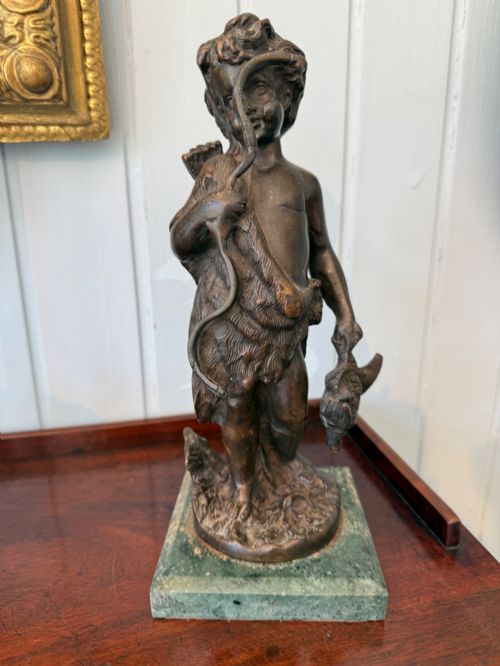
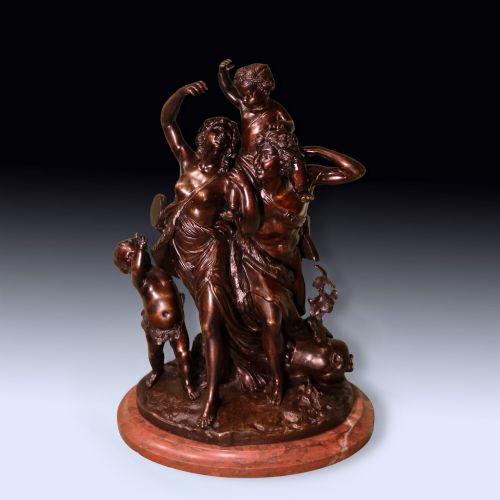
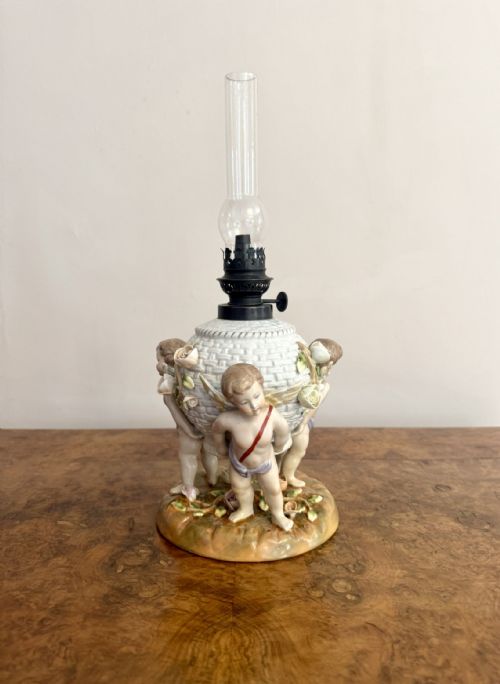
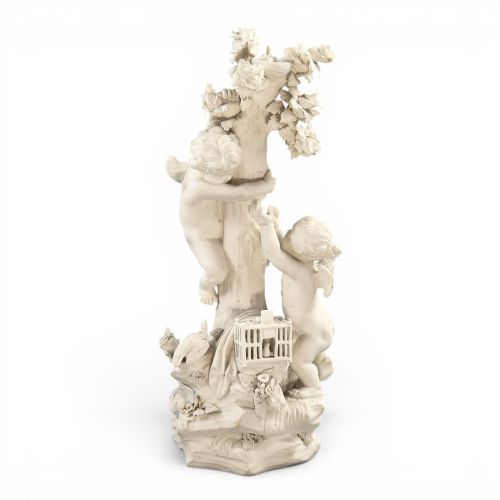
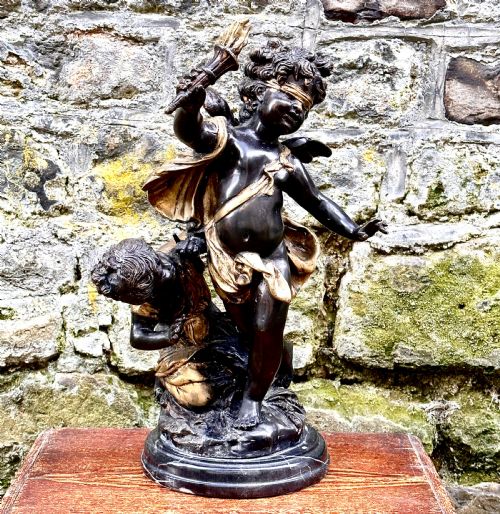
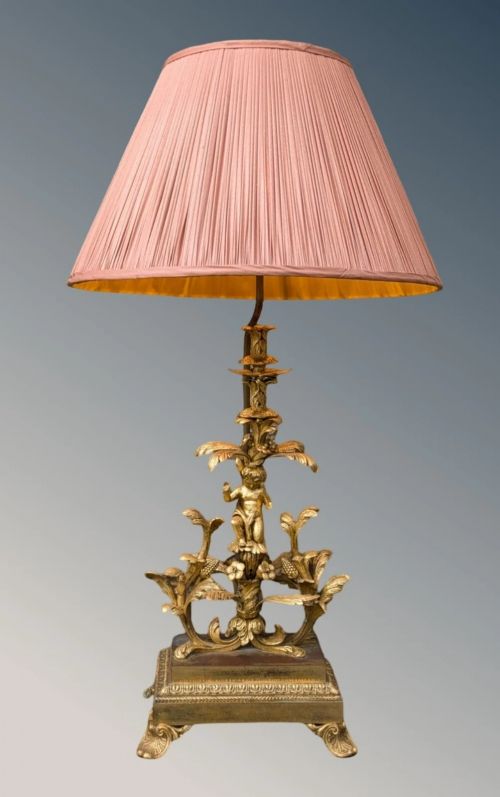
When you search for antique putti figures, you encounter sculptural representations of winged infants derived from classical mythology, spanning table lamps, garden statues, and freestanding figurines. The listings concentrate heavily on nineteenth-century bronze and eighteenth-century porcelain examples, alongside marble sculptures and carved wood elements.
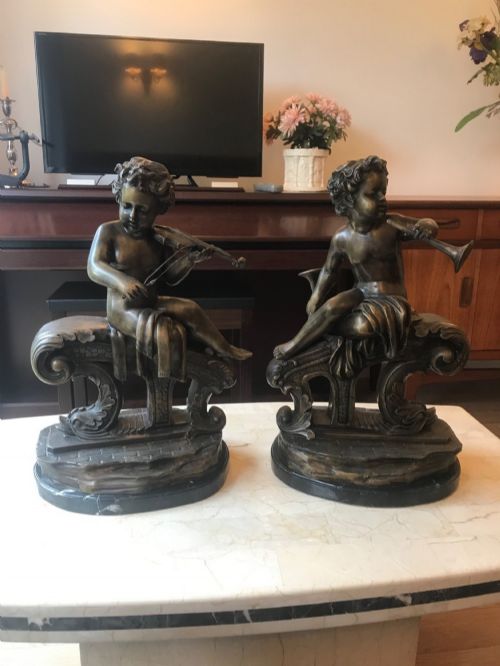
Makers and foundries from France, Germany, and Britain produced these depictions in styles ranging from Rococo Revival and Neoclassical to Baroque. Figures appear singly or in pairs, sometimes holding instruments, bows, or fruit, and occasionally functioning as candlesticks or bookends.
How they were made
Bronze sculptures utilise the lost-wax casting technique, often finished with detailed chasing and mounted on marble bases. Gilt bronze and gold leaf applications provide metallic lustre.
Ceramic pieces rely on soft-paste or hard-paste porcelain recipes, shaped in moulds and fired before receiving painted enamel decoration or remaining in biscuit form. Carved items employ marble, gesso, and wood treated with hand tools.
Antique Putti Figures Retail Price Guide 2026
Typical asking prices for putti figures among the pieces listed under this phrase on Sellingantiques today, from the lower quarter to the upper quarter. They describe what is for sale here now, not the wider market.
Materials span bronze, marble, porcelain, and wood, with several pieces integrated into table lamps and bookends.
What varies in quality
The degree of anatomical definition and the crispness of the chasing on bronze surfaces separate ambitious foundry work from routine production. Porcelain examples depend on the sharpness of the mould impression and the delicacy of the hand-painted enamel details.
Provenance and attribution to documented modellers or workshops elevate certain figures above unsigned decorative castings. Material selection, such as Carrara marble or fire-gilt bronze, dictates the baseline ambition of the piece.
Charles Louis Malric·Susse Frères·Claude Michael Clodion·Sitzendorf·Derby·Bow·Royal Dux Bohemia·H. Schubert·Antonio Canova·Meissen·Paul Scheurich·Chelsea·Minton
The Antique Putti Figures Glossary
- Putto
- A plump, naked male infant, frequently winged, common in classical and Renaissance art. These figures often represent mythological concepts such as love or music.
- Grand Tour
- A cultural journey undertaken by European elites in the eighteenth and nineteenth centuries. Travellers collected small bronzes and marble statues as souvenirs of Italy.
- Biscuit porcelain
- Unglazed porcelain fired to a matte, marble-like finish. It permits fine detail in sculptural figurines.
- Lost-wax casting
- A metal-casting method where a wax model is melted from a mould and replaced with molten bronze. This technique allows for complex undercuts and fine textures.
- Rococo Revival
- A nineteenth-century design movement that revives the asymmetrical curves and naturalistic motifs of the eighteenth-century Rococo period.
Antique Putti Figures: Frequently Asked Questions
What is the difference between putti and cherubs?
Putti originate in classical mythology as winged infant spirits associated with secular love or wine. Cherubs possess biblical origins and higher celestial rank in religious art.
Over the centuries, decorative arts fused the terms, applying both labels interchangeably to winged infant figures cast in bronze or modelled in porcelain.
How do I date an antique bronze putto?
Examine the quality of the chasing, the composition of the metal alloy, and the nature of any base or mounting. Nineteenth-century examples often display specific patination techniques and foundry marks.
Stylistic cues such as Neoclassical severity or Rococo exuberance also point towards particular manufacturing periods.
Where were porcelain putti figures made?
Major European factories including Meissen in Germany, and Bow and Chelsea in England, produced porcelain putti during the eighteenth and nineteenth centuries.
These pieces utilised hard-paste or soft-paste porcelain pastes and frequently served as decorative table ornaments or components of allegorical sets.
How should I clean antique marble putti statues?
Dust marble surfaces gently with a dry, soft cloth to prevent the accumulation of grit in carved crevices. Avoid using household detergents, water, or abrasive cleaners.
Harsh liquids can damage the stone surface or remove historical patination accumulated over generations.