


Antique Pulpit Bible
An antique pulpit bible brings the weight and ceremony of Victorian devotion straight into a modern interior.
Antique Pulpit Bible
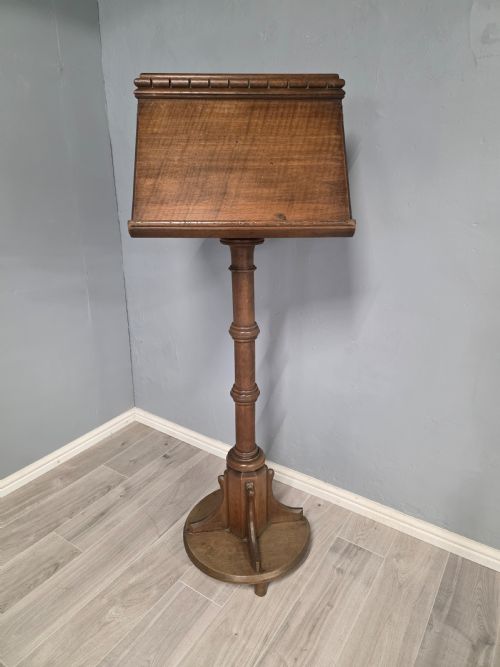
An antique pulpit bible encompasses substantial leather-bound texts and the sturdy oak or brass stands built to hold them. These objects originate primarily from nineteenth-century churches and ecclesiastical settings, reflecting the heavy devotional architecture of the period.
The pieces appearing on this page span from mid-nineteenth-century items to early twentieth-century examples, including brass eagle lecterns, carved wooden podiums, and the foundational Holy Bible texts themselves. Buyers encounter various interpretations of Gothic Revival and Arts and Crafts design.
Materials and construction
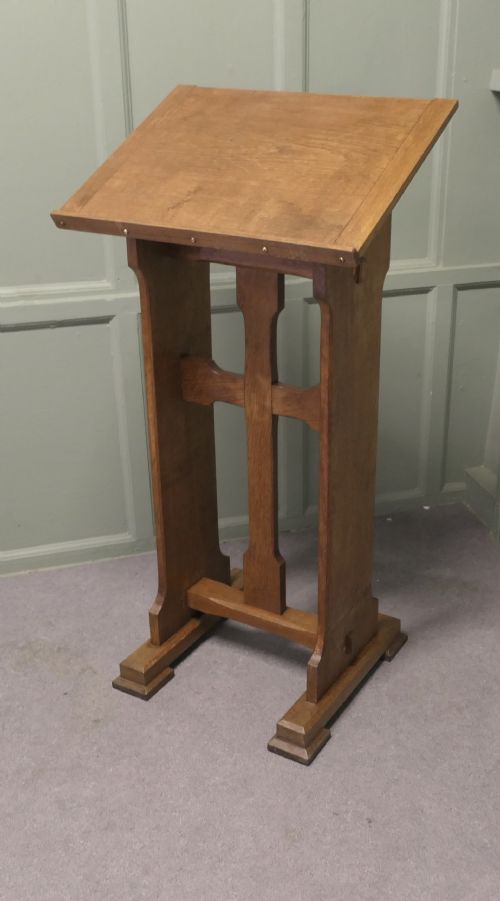
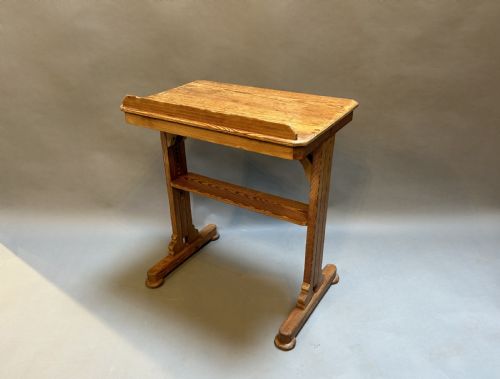
Makers utilised dense timbers such as oak and pine to build the heavy frameworks required to support oversized volumes. Joinery is robust and straightforward, designed to withstand decades of regular use in church interiors.
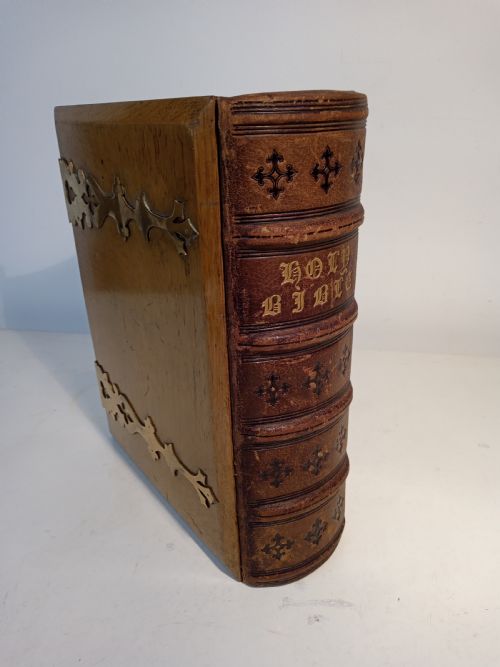
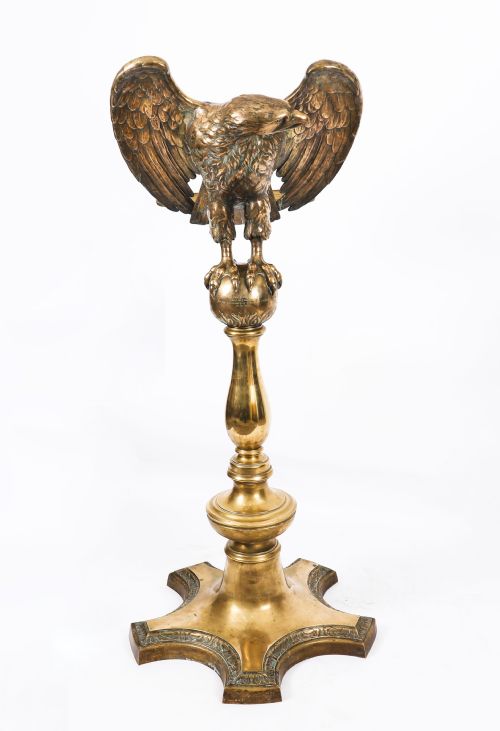
Cast brass formed the dramatic bird figures and supporting columns seen on ecclesiastical eagle lecterns, requiring detailed mould-making and finishing. Leather provided durable binding for the texts, often complemented by iron hardware for structural reinforcement.
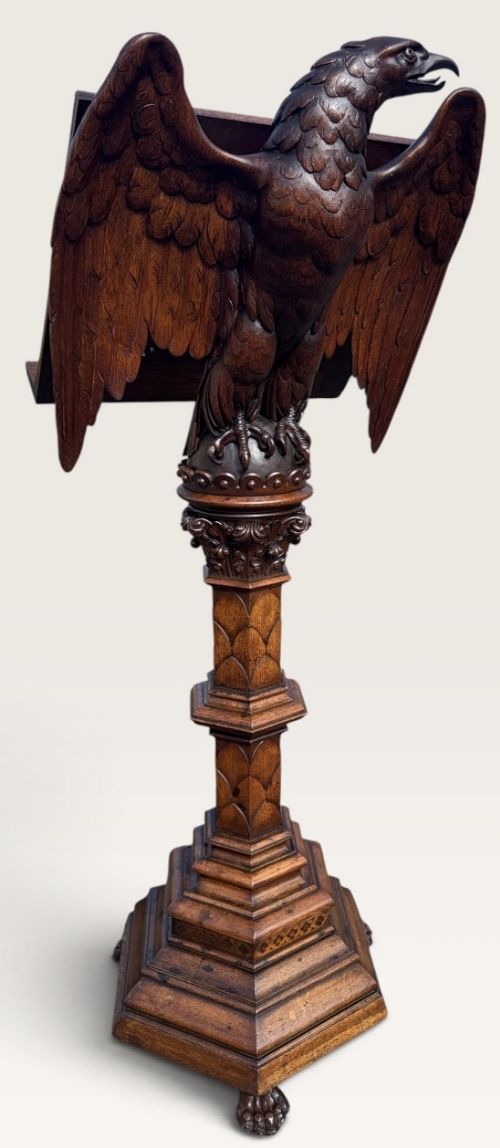
Several brass eagle lecterns stand ready to support weighty texts with outstretched wings.
Assessing craftsmanship
Depth and precision of carving separate standard utility pieces from exceptional works, particularly in Gothic Revival items where tracery and foliage show distinct artistic ambition. The handling of solid oak and pine reveals whether a maker worked with architectural care or simple expediency.
The quality of cast brass elements dictates the visual impact of metal lecterns, where finer surface detail and clean finishing elevate the object. Material selection also plays a role, as heavy golden oak offers a richer presence than simpler pine constructions.
The Antique Pulpit Bible Glossary
- Gothic Revival
- A nineteenth-century architectural and decorative style drawing inspiration from medieval forms, pointed arches, and heavy tracery. It defines the aesthetic of many church furnishings.
- Ecclesiastical
- Pertaining to the Christian church or its clergy, describing items specifically manufactured for use within religious buildings. These objects carry distinct theological symbolism.
- Lectern
- A tall stand with a slanted top designed to hold a book for a speaker to read from while standing. In church contexts, these often take the form of carved eagles or architectural columns.
- Arts and Crafts
- A design movement championing traditional craftsmanship, simple forms, and visible construction methods using local materials. This ethos influenced later wooden podiums and stands.
Antique Pulpit Bible: Frequently Asked Questions
What materials were used?
The listings feature pieces constructed predominantly from solid oak, pine, and cast brass. Leather and iron also appear in bindings and structural supports.
These materials ensured the durability necessary for heavy ecclesiastical daily use.
How do I date a piece?
Dating relies on stylistic markers such as Gothic Revival detailing or Arts and Crafts simplicity alongside material choices. Century markers and specific decades like the eighteen-fifties or nineteen-thirties help place items accurately.
Construction techniques in the woodwork also provide clues to the period of origin.
Where were these used?
These items originated in churches, chapels, and ecclesiastical institutions for reading scriptures and leading services. Specific examples record origins in Scottish churches.
Today they function effectively as statement furniture in large residential or commercial spaces.
What styles are common?
Victorian Gothic Revival and Arts and Crafts predominate among the furniture pieces. Ecclesiastical designs heavily influence the overall aesthetic.
These styles emphasise solemnity, solid structure, and traditional craftsmanship.