




Antique Psyche Glass
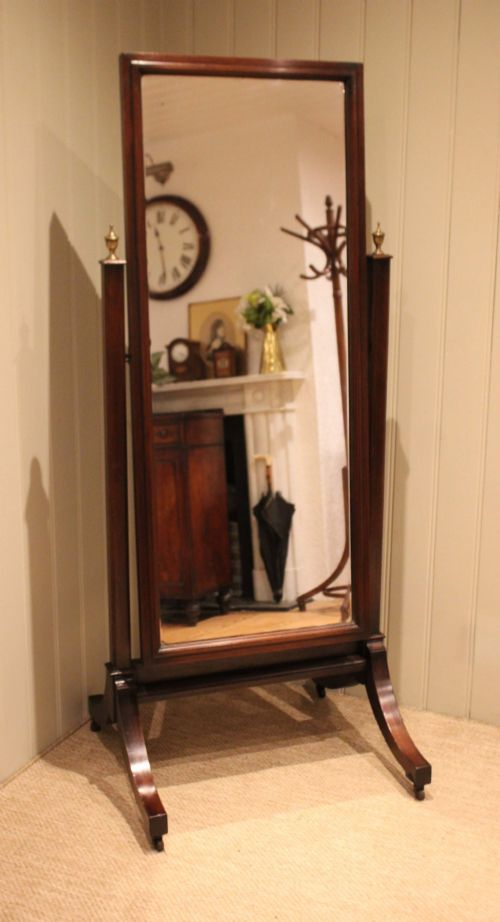
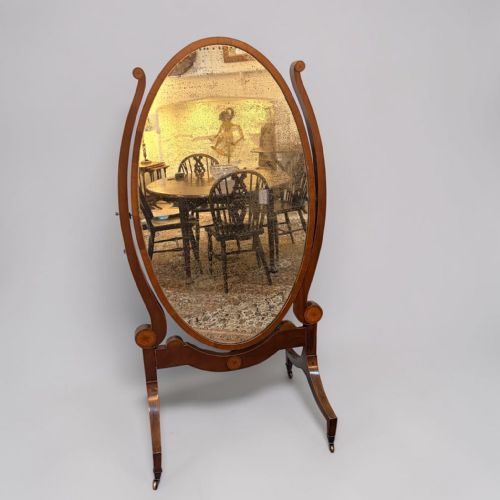
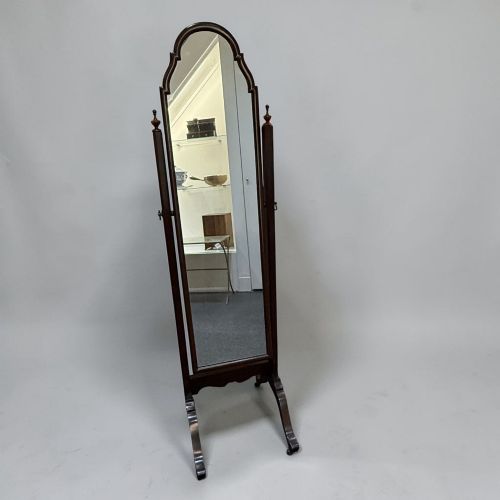
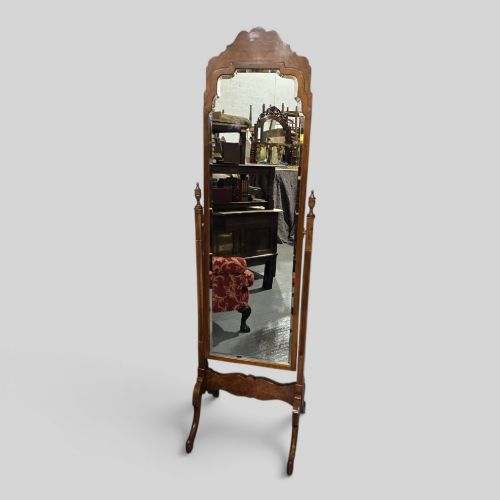
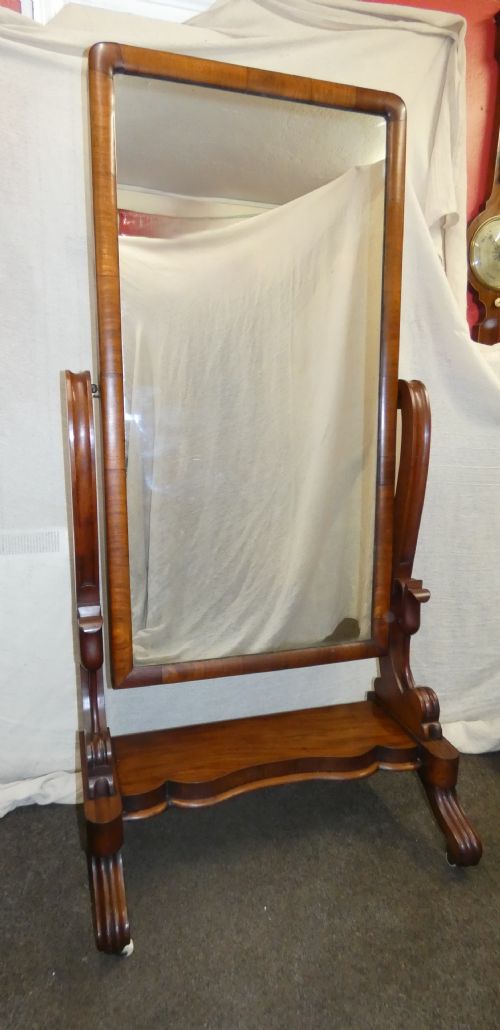
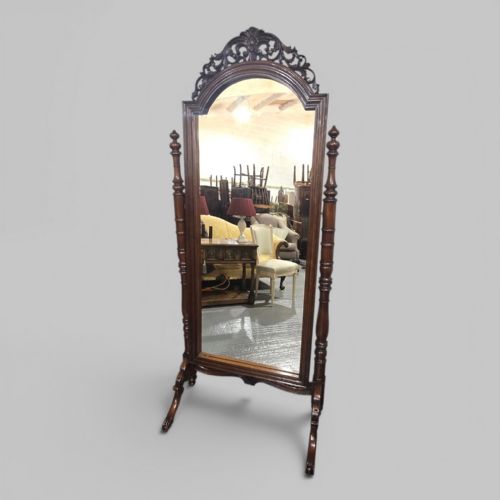
An antique psyche glass is a freestanding floor mirror designed for full-length viewing, bringing substantial scale and traditional timber frames into a room.
Antique Psyche Glass
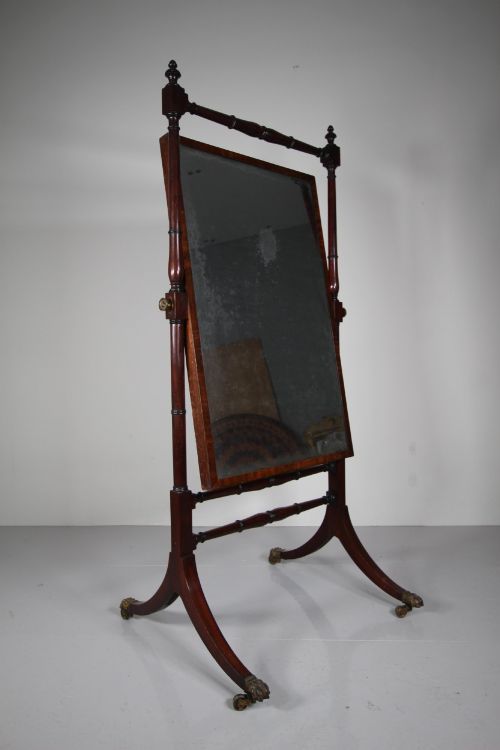
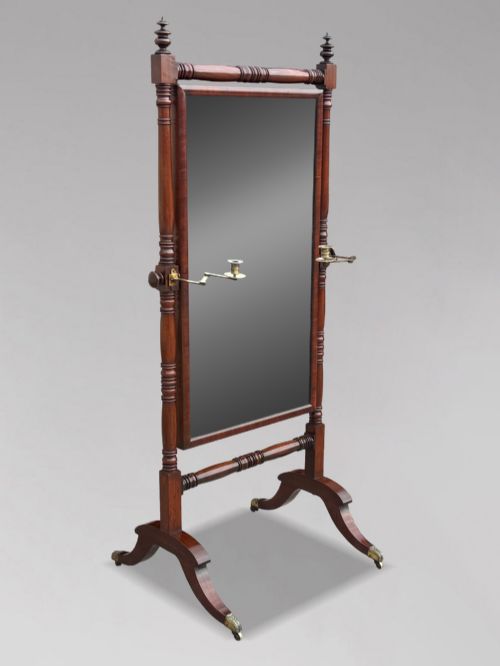
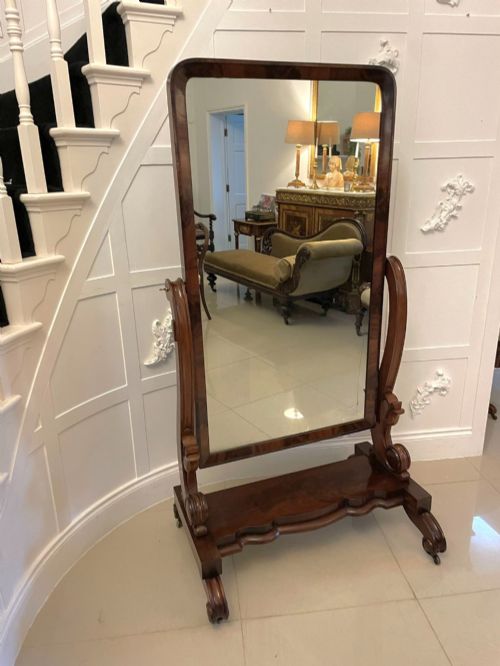
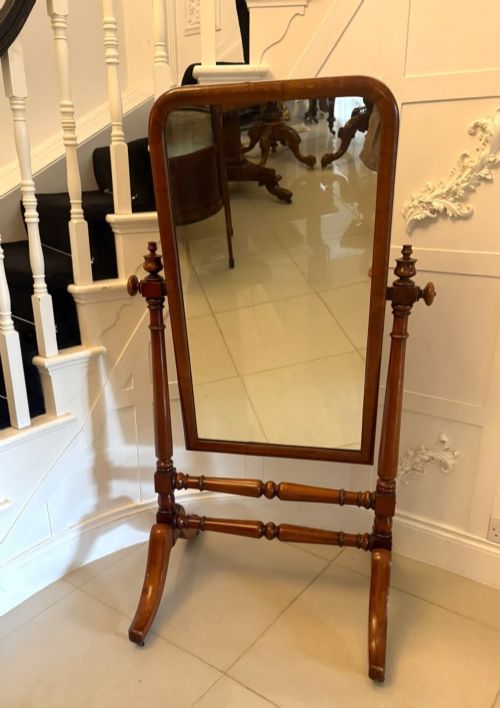
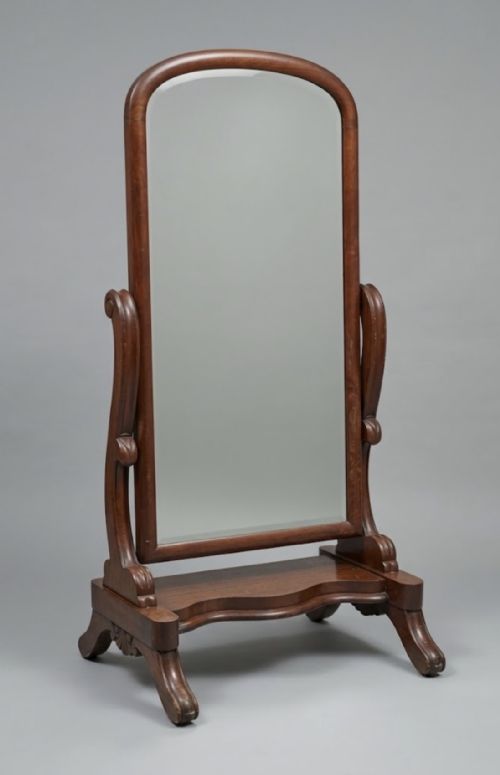
When you search for an antique psyche glass, you are looking at large, freestanding swing mirrors held within pivoting frames and sturdy upright supports. These pieces stand on the floor to provide a full-length reflection, serving both a functional dressing purpose and a commanding decorative role in a room.
The versions you are most likely to meet on this page date primarily from the nineteenth century, including Victorian and Regency periods, alongside earlier eighteenth-century influences and later revivals. They appear predominantly in mahogany, with occasional examples in burr walnut, pitch pine, or ebonised wood.
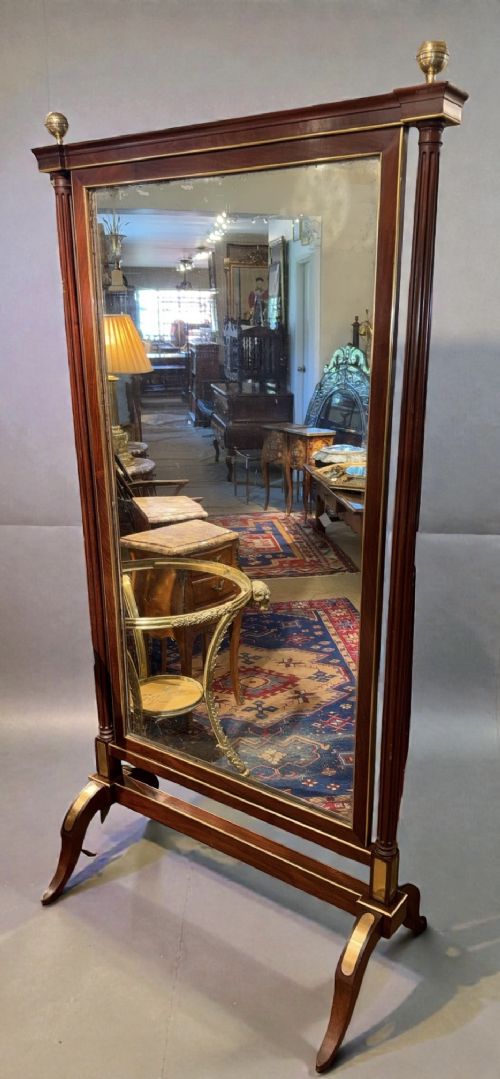
Object forms range from tall cheval mirrors to floor-standing swing mirrors and dressing mirrors. They emerge from diverse design traditions, encompassing French Empire, Louis XVI, and Queen Anne styles.
How they were made
Cabinetmakers constructed the frames using solid and veneered timbers, selecting dense woods like mahogany and walnut to support the considerable weight of the glass plate. Flame mahogany veneers frequently provided rich, figured grain patterns across the uprights and crossbars.
The swing mechanism relies on brass pivots, pins, or screw caps inset into the side posts, allowing the mirror frame to tilt smoothly to the desired angle. Ormolu mounts and brass accents sometimes embellish the frames, particularly on pieces influenced by French design traditions.
Antique Psyche Glass Retail Price Guide 2026
Typical asking prices for psyche glass among the pieces listed under this phrase on Sellingantiques today, from the lower quarter to the upper quarter. They describe what is for sale here now, not the wider market.
Listings span multiple eras from the 18th to the 20th century, utilising timber materials like mahogany, walnut, and pitch pine.
What varies in quality
The degree of refinement in the timber framing and the choice of veneer dictate the visual impact of the piece. Highly figured flame mahogany and carefully matched burr walnut distinguish the finer examples from plain, utilitarian constructions.
Proportion and stability matter greatly in freestanding mirrors, separating well-balanced floor models from heavier or clumsily proportioned alternatives. The casting and finishing of brass hardware and pivot mechanisms also indicate the original maker's attention to detail.
The Antique Psyche Glass Glossary
- Cheval mirror
- A large freestanding mirror designed to stand on the floor, supported by a frame with four legs or a robust trestle base. The glass plate swings on lateral pivots.
- Flame mahogany
- A veneer cut from the fork of the mahogany tree where branches meet the trunk, producing a distinctive, rippling flame-like pattern. Cabinetmakers prized this figure for prominent surfaces.
- Ormolu
- Gilt bronze ornamentation applied to furniture and frames, frequently seen on pieces inspired by French Empire and Louis XVI styles. It provides metallic contrast to dark woods.
- Swing mirror
- A mirror plate suspended within a movable frame that tilts on horizontal pivots, allowing the user to adjust the angle of reflection.
- Burr walnut
- A highly figured wood grain obtained from walnut tree growths, creating intricate swirling patterns across the surface of the frame.
Antique Psyche Glass: Frequently Asked Questions
What is a psyche glass?
A psyche glass is a large, freestanding dressing mirror that pivots within an upright floor frame, offering a full-length view.
These pieces were traditionally placed in bedrooms and dressing rooms to assist with attire and grooming.
How do I date a cheval mirror?
Dating relies on examining the timber species, veneer patterns, construction joints, and the style of the supporting frame.
Period details such as Regency scroll feet or Victorian turning provide clear chronological markers.
Where should I place a floor mirror?
These mirrors suit bedrooms, dressing areas, or hallways where their substantial height can reflect light and open up the space.
Ensure the floor surface is level so the heavy freestanding frame remains stable.
What woods were used for these mirrors?
Mahogany is the predominant timber found in these listings, appearing in plain and highly figured flame varieties.
Other materials include walnut, burr walnut, pitch pine, and ebonised wood.