


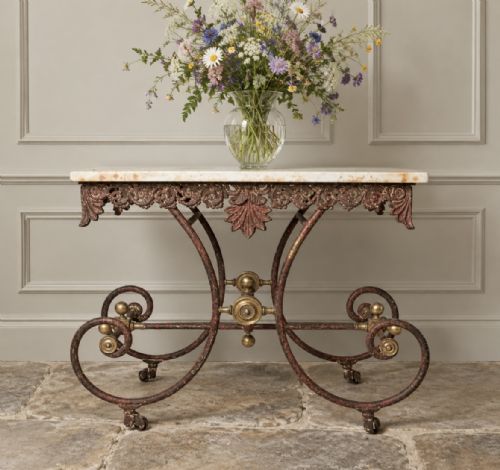


Antique Provincial Prep Table
These antique provincial prep tables bring honest utility and timeworn character into modern kitchens and dining spaces.
Antique Provincial Prep Table
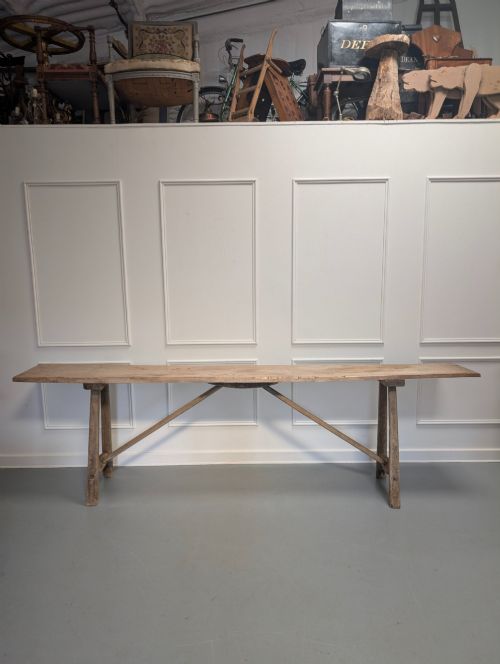
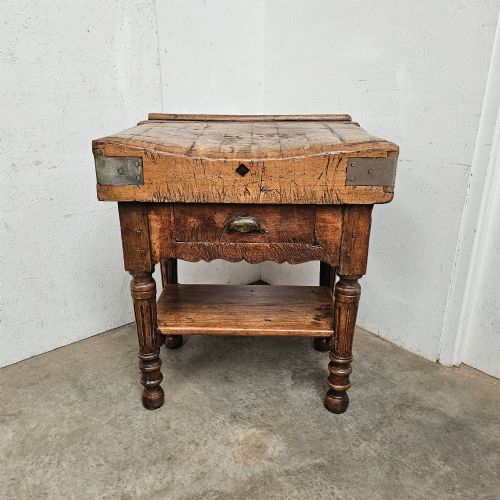
An antique provincial prep table serves as a sturdy workspace rooted in regional European traditions, particularly from France and Sweden. These surfaces encompass kitchen tables, drapers tables, butchers blocks, and consoles designed for domestic labour.
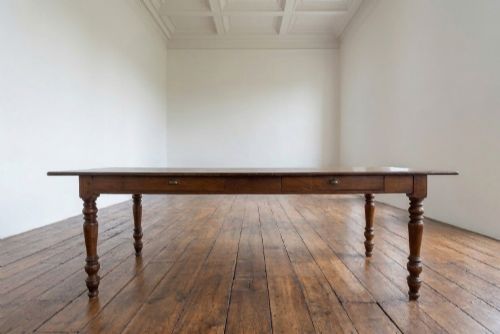
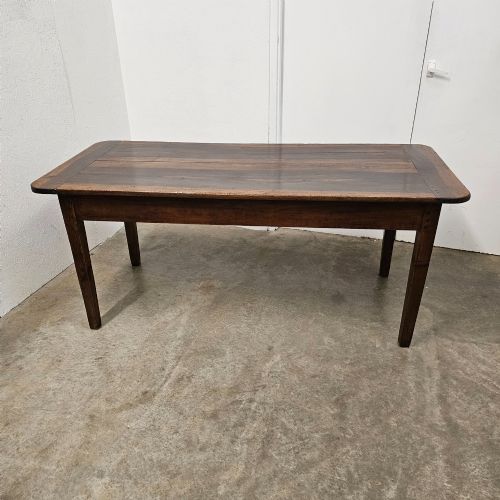
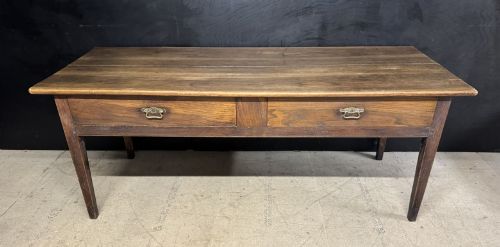
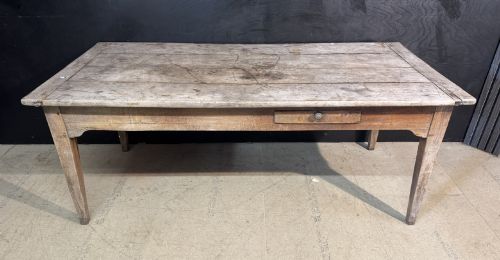
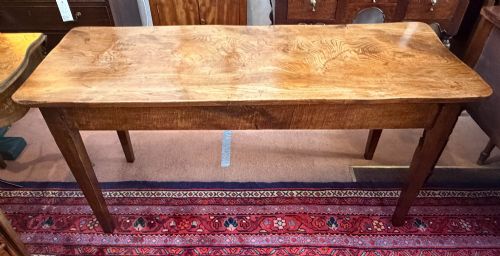
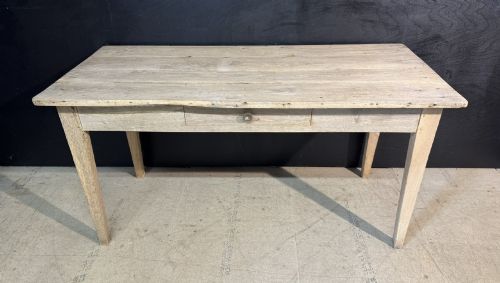
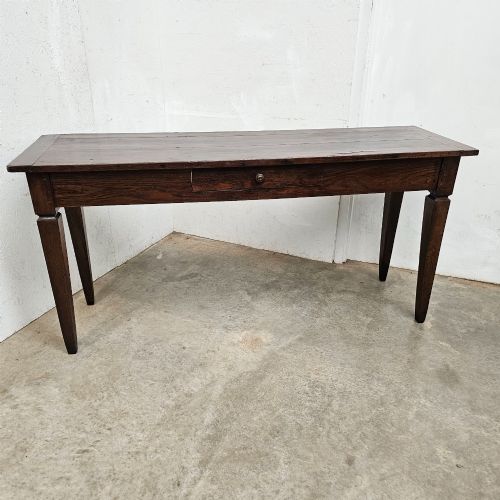
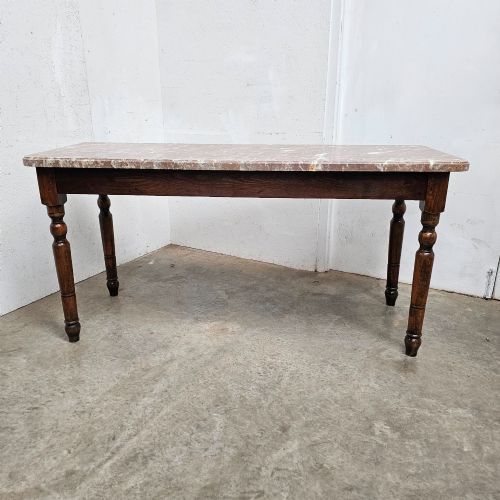
The version most commonly met on this page is the nineteenth-century farmhouse table, often built with practical drawers, scrubbed tops, or pot-shelves. Examples range from modest fruitwood and elm work tables to long painted pine consoles and marble-topped patisserie displays.
These items originate from rural workshops where furniture met everyday culinary demands rather than formal salon life. Their forms reflect specific tasks, from bread preparation and laundry sorting to meat chopping and floristry.
How they were made
Local timbers dictate the construction of these pieces, utilising durable hardwoods like oak, cherrywood, walnut, beech, and fruitwood alongside softer woods like pine and poplar. Craftsmen selected timber based on regional availability and the specific demands placed upon the working surface.
Joinery methods prioritize absolute stability over decorative flourish, employing thick boards, pegged joints, and occasional marble insets for pastry work. Surfaces often show the direct marks of heavy usage, scrubbed timber, or historical layers of paint.
Antique Provincial Prep Table Retail Price Guide 2026
Typical asking prices for provincial prep table among the pieces listed under this phrase on Sellingantiques today, from the lower quarter to the upper quarter. They describe what is for sale here now, not the wider market.
Some work tables retain generations of flour dust deeply embedded in their scrubbed pine grains.
What varies in quality
The distinction between tiers of quality rests upon the integrity of the original construction and the character of the timber used. Superior examples maintain their structural rigidity without relying on excessive modern restoration, keeping their original boards and operational drawers intact.
Trussant & Cie
The Antique Provincial Prep Table Glossary
- Drapers table
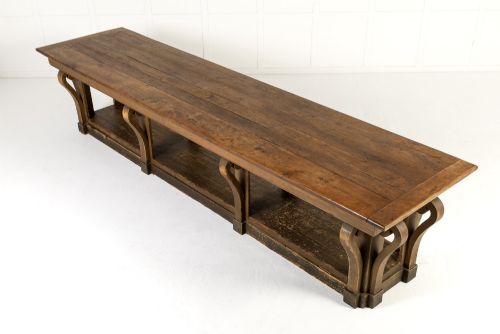
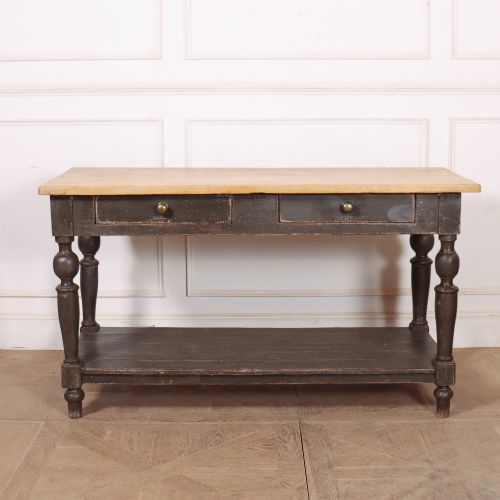
- A long, narrow work table traditionally used in textile shops or homes for measuring and folding cloth, frequently featuring multiple drawers and a lower shelf.
- Pot-shelf
- An open lower tier built into a table or console, originally intended for storing heavy pots, pans, and kitchen utensils off the floor.
- Scrub-top
- A wooden table surface designed to withstand vigorous scrubbing with water and sand to maintain hygiene during food preparation.
- Butchers block
- A thick, solid block of end-grain timber, such as beech or elm, created specifically for heavy chopping and meat preparation.
Antique Provincial Prep Table: Frequently Asked Questions
What is an antique provincial prep table?
An antique provincial prep table is a utilitarian piece of furniture originating from regional workshops, designed for demanding domestic tasks like food preparation, laundry, or sewing.
These tables combine solid regional timbers with straightforward construction, resulting in durable surfaces that now serve as central islands, consoles, or dining desks in contemporary homes.
How were these tables used originally?
Originally, these tables stood in farmhouse kitchens, shop floors, and manor houses where heavy daily labour took place. Specific variants accommodated bread kneading, pastry rolling, meat chopping, and textile folding.
Lower pot-shelves and integrated drawers kept working tools and heavy cookware close at hand, ensuring an efficient workspace before fitted kitchens existed.
How do I care for a scrubbed pine top?
A scrubbed pine top benefits from gentle cleaning with mild soap and warm water, avoiding harsh chemical cleaners that strip the natural character. Applying occasional neutral beeswax helps protect the dry wood from moisture and staining without altering its pale tone.
Accepting minor marks and stains as part of the working history preserves the authentic appearance of the timber.
How can I tell a drapers table from a farmhouse table?
A drapers table is typically longer and noticeably narrower than a standard farmhouse table, reflecting its original purpose of folding textiles. They frequently incorporate multiple shallow drawers beneath the top and open lower shelving.
Farmhouse tables prioritize width and leg clearance for seating diners, while drapers tables focus on a streamlined surface area for standing tasks.