



Antique Profile Ring
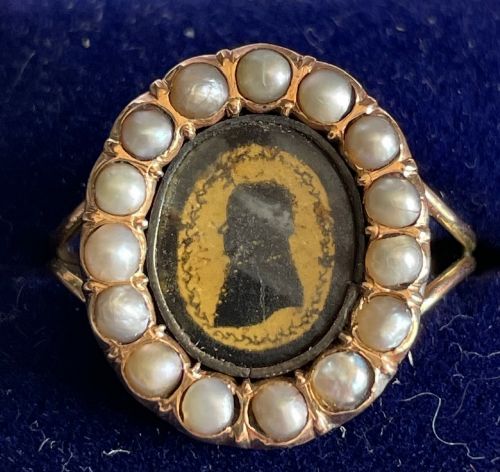
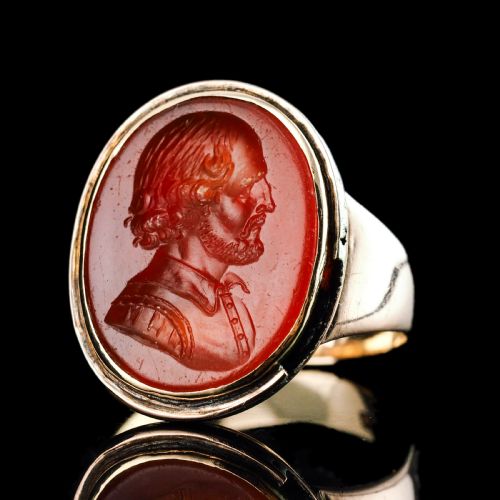
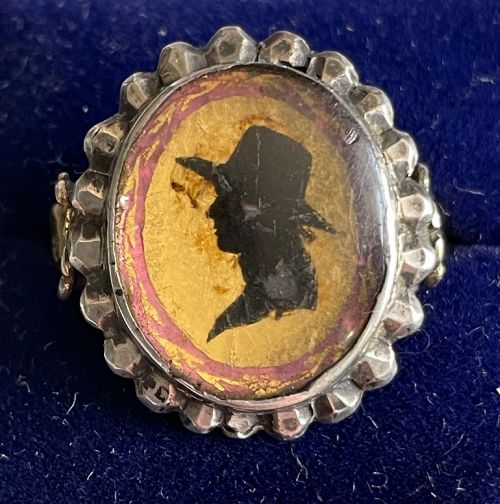
An antique profile ring carries the carved portrait of a person or classical figure, offering a direct tangible link to Georgian, Victorian, and Edwardian likenesses.
Antique Profile Ring
When you search for an antique profile ring, you encounter finger adornments featuring intaglios and cameos carved with human silhouettes, classical portraits, and mythological subjects. These pieces span the Georgian, Victorian, and Edwardian eras, emerging from the 18th century through to the early 20th century.
Objects range from continental silhouette designs to detailed gold intaglio and cameo rings created during the 1800s and 1900s. The styles shift from early Georgian and George III work through Classical Revival and Victorian Revival periods.
Materials and construction
Goldsmiths utilised 9ct gold, 18ct yellow gold, and 18K gold to construct the foundational bands and bezels that house the carved face of each piece. These metals provide the durable structure necessary to secure delicate stones over centuries.
Carvers cut directly into hardstones like carnelian and agate for intaglios, or built up relief layers in materials such as coral, black opal, and glass for cameos. This meticulous hand-carving defines the distinctive profile imagery seen across Georgian and Victorian examples.
Antique Profile Ring Retail Price Guide 2026
Typical asking prices for profile ring among the pieces listed under this phrase on Sellingantiques today, from the lower quarter to the upper quarter. They describe what is for sale here now, not the wider market.
Current listings feature rings spanning the 18th century, 19th century, Georgian, Victorian, and Edwardian periods, utilising gold, hardstone, carnelian, agate, glass, and black opal.
Assessing quality in profile rings
Metalwork execution also dictates standard, where heavier gold settings and balanced proportions elevate the piece. The selection of unblemished natural materials like high-grade carnelian, agate, or black opal separates standard production from finer workmanship.
The Antique Profile Ring Glossary
- Intaglio
- A gem or stone carved with a sunken design so that an impression can be made in relief. This technique was frequently utilised for seals and signet rings in the Georgian period.
- Cameo
- A method of carving where the subject is raised in relief against a contrasting background layer. These often portray classical female portraits or mythological figures in hardstone and shell.
- Silhouette
- A solid dark image of a person's profile, typically cut from paper or painted. Continental Georgian examples translated this flat art form into wearable finger rings.
- Hardstone
- A semi-precious gemstone such as agate, carnelian, or jasper used for detailed carving. These materials offer the hardness required to preserve fine facial profiles over generations.
- Classical Revival
- An artistic movement drawing inspiration from the art and culture of ancient Greece and Rome. This aesthetic heavily influenced the portrait subjects chosen for 19th-century rings.
Antique Profile Ring: Frequently Asked Questions
What is an antique profile ring?
An antique profile ring is a piece of historical finger jewellery featuring a carved or silhouetted human face, typically shown from the side. These pieces range from Georgian silhouettes to Victorian and Edwardian hardstone intaglios and cameos.
They serve as personal ornaments that preserve miniature portraits of real individuals or classical mythological figures within gold mountings.
How do I date an old profile ring?
Dating relies on examining the mounting style, the type of gold used, and the specific carving techniques employed by the jeweller. Georgian pieces often feature distinct silhouette work or George III hardstone settings, while Victorian and Edwardian examples incorporate 9ct or 18ct gold with materials like black opal and agate.
Changes in portrait style, such as Classical Revival motifs versus Victorian Revival preferences, also help narrow down the decade of creation.
What materials were used for these rings?
Goldsmiths primarily utilised 9ct gold, rose gold, and 18ct yellow gold to form the bands and bezels of these historic jewels. The central profile stones consist of natural hardstones like carnelian and agate, alongside coral, black opal, and moulded glass.
Each material combination reflects the prevailing tastes and available resources of the era in which the ring was manufactured.
How should I care for a profile ring?
Preserving these rings requires mindful wear, as soft materials like coral, glass, and certain hardstones can be sensitive to impact and harsh chemicals. It is advisable to remove the jewellery before engaging in manual tasks or swimming.
Gentle cleaning with a soft cloth and warm soapy water helps maintain the gold and stone without disturbing the delicate hand-carved profile.