



Antique Profile Art
Antique profile art captures the human likeness from the side, offering a distinct glimpse into past lives through silhouettes, miniatures, and cameos.
Antique Profile Art
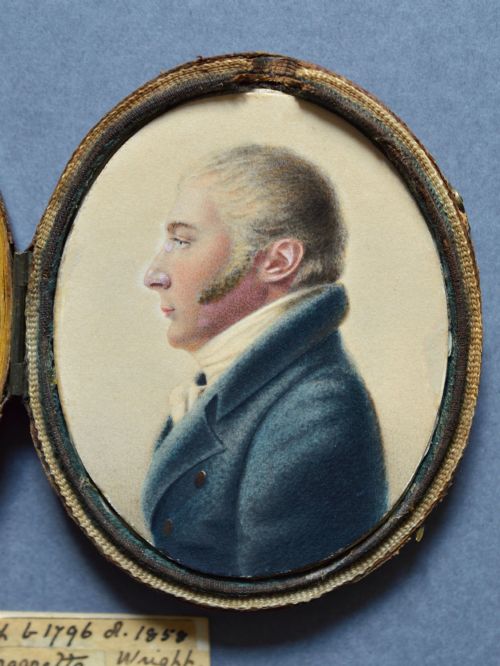
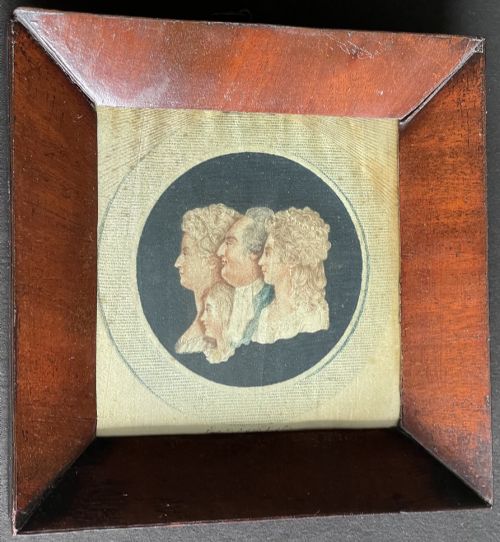
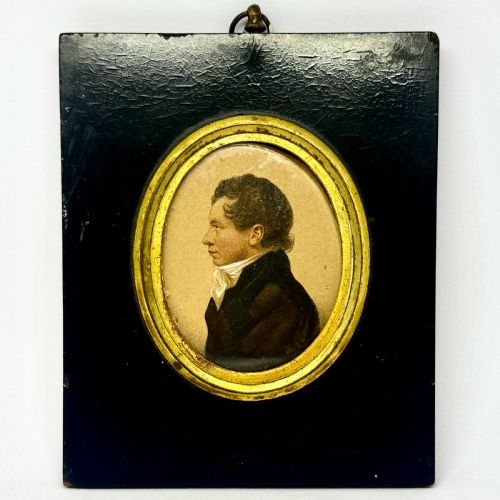
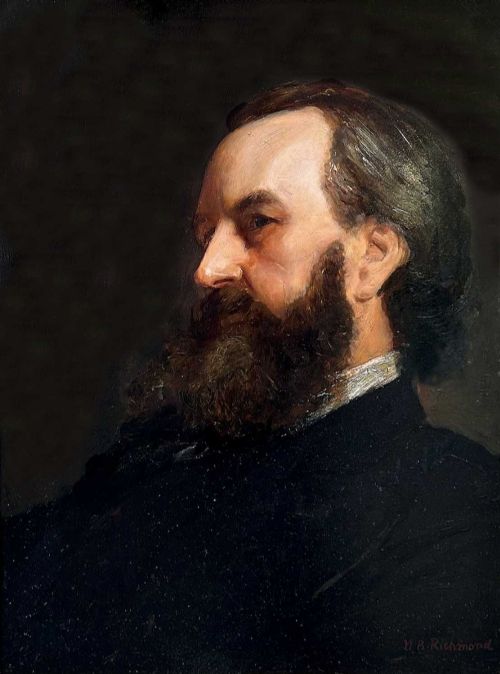
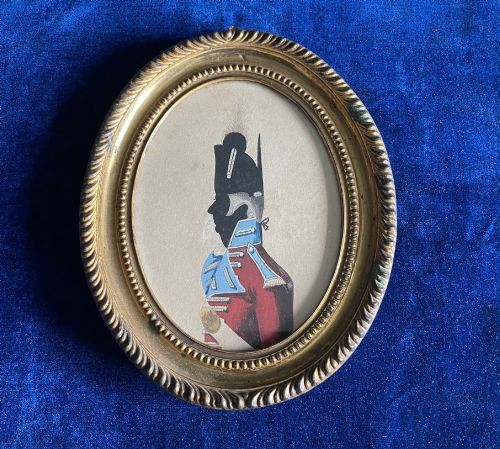
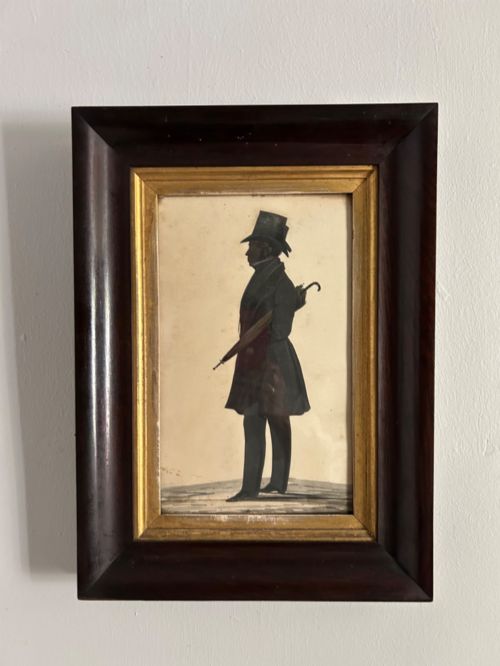
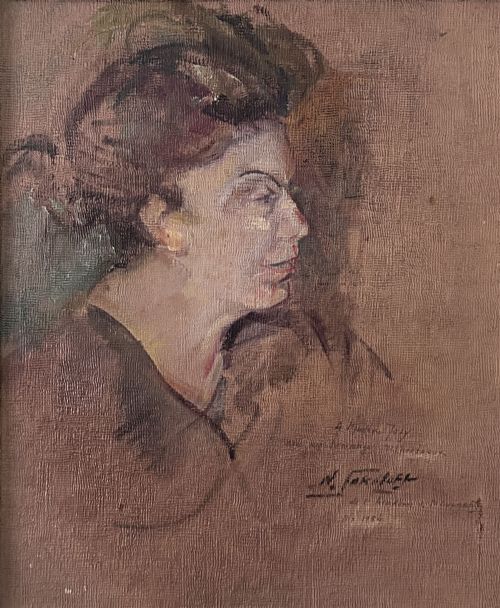
Antique profile art encompasses a variety of formats designed to record personal likenesses from the side, spanning centuries of portraiture. When exploring antique profile art, collectors encounter silhouette portraits, portrait miniatures, framed artwork, and relief plaques.
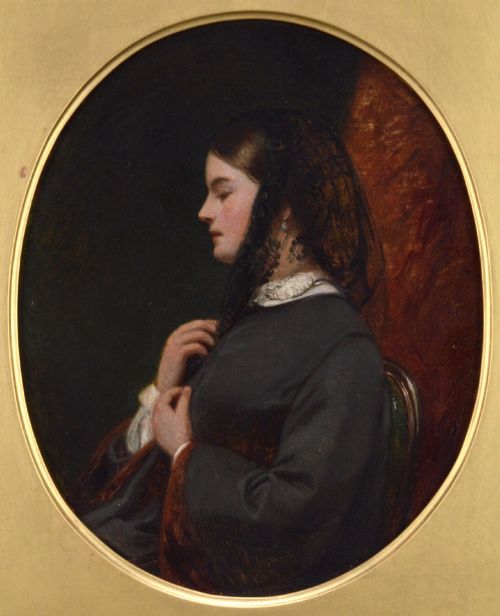
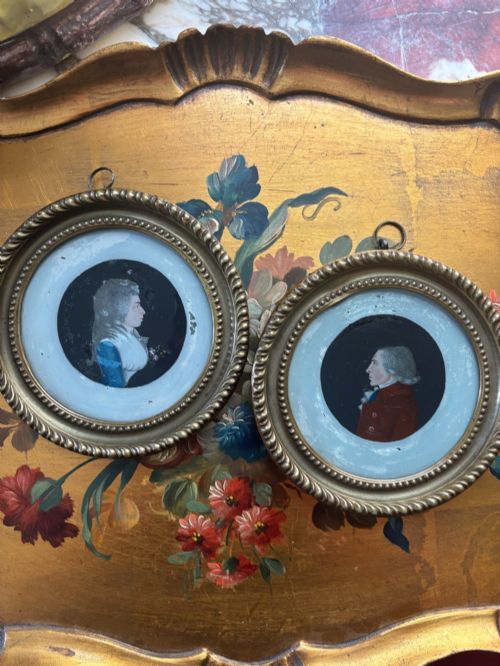
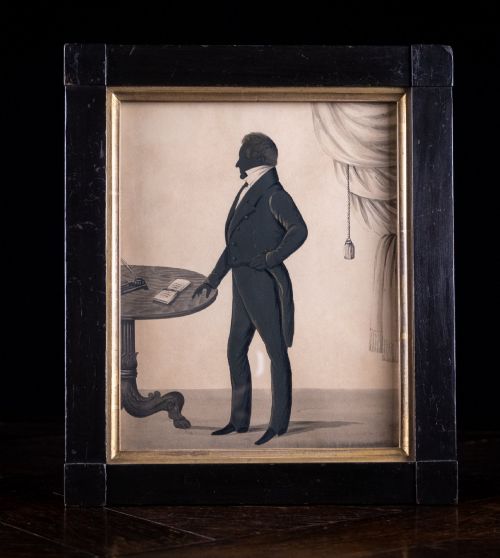
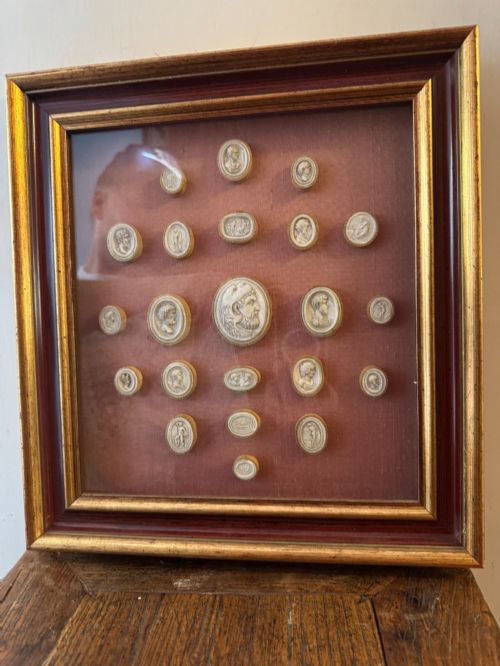
The selection on this page leans heavily toward eighteenth-century and nineteenth-century works, including Regency silhouettes and Victorian paintings. Buyers frequently find cut-paper silhouettes, reverse painted glass pieces, and Grand Tour intaglio panels.
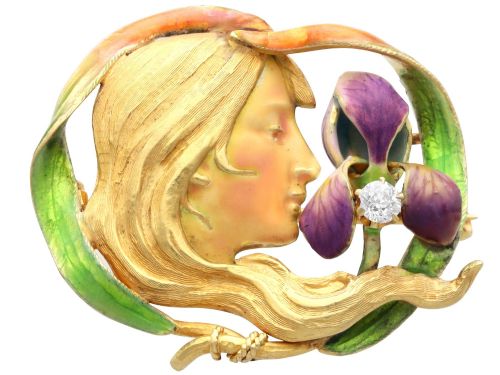
Makers and artists range from recorded silhouette artists to painters and sculptors working in oil, watercolour, and bronze. These pieces appear in forms varying from wall art and framed portraits to brooches and decorative plaques.
How they were made
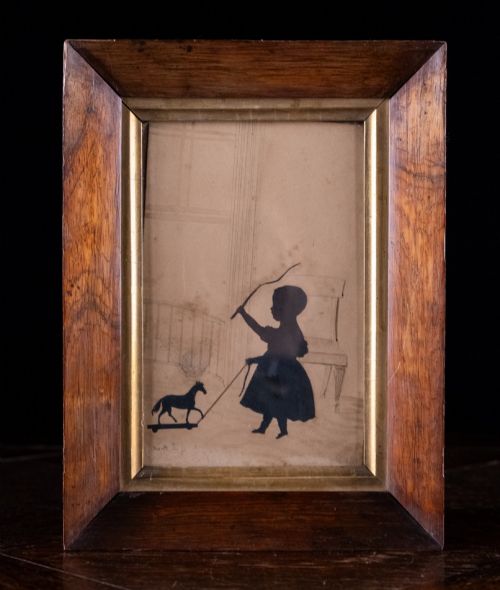
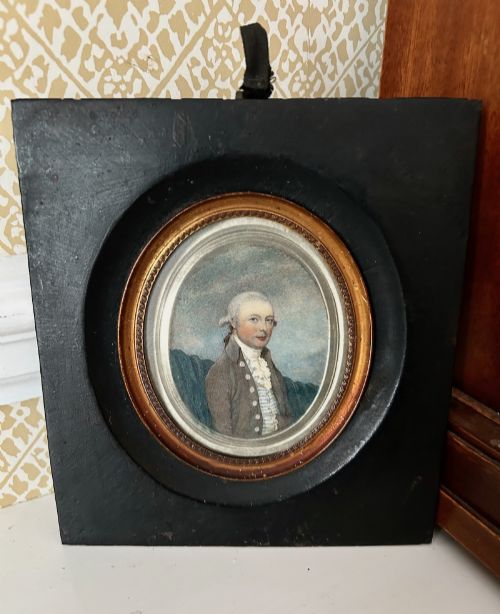
Makers utilised traditional media such as paper, ink, watercolour, and oil paint on panel or canvas to delineate the human profile. Silhouettes were frequently hand-cut from black paper or painted directly onto glass and card, sometimes enhanced with gold leaf and delicate pencilling.
Materials such as brass, giltwood, glass, and wood formed the protective frames and housings for these delicate likenesses. Relief profiles were cast in materials including gypsum, bronze, and marble, capturing intricate facial details through classical moulding techniques.
Antique Profile Art Retail Price Guide 2026
Typical asking prices for profile art among the pieces listed under this phrase on Sellingantiques today, from the lower quarter to the upper quarter. They describe what is for sale here now, not the wider market.
A charming cut-paper silhouette captures a dog alongside a child, proving that beloved family pets also secured a place in profile art history.
What varies in quality
The distinction between ordinary and exceptional pieces rests upon the precision of the handwork and the sharpness of the profile execution. Finely executed silhouettes and miniature portraits display a confident handling of line and contour that brings the subject to life without excess detail.
Condition and originality play a central role, particularly in fragile media like reverse-painted glass, cut paper, and delicate watercolours. The quality of the framing, whether original period giltwood or later replacement, influences the integrity of the piece.
Bateman·Thomas John Horsley·James McArdell·Augustin Edouart·Eugene Canneel·Bertram Priestman RA
The Antique Profile Art Glossary
- Silhouette
- A solid portrait outline filled in with a dark colour, typically black, showing a subject in profile. These were popularised in the eighteenth and nineteenth centuries as an accessible form of likeness.
- Intaglio
- A gem, coin, or plaque carved into the surface so that the design sinks below the plane. Grand Tour collectors frequently brought these back from Italy.
- Reverse painted on glass
- An artistic technique where the image is painted on the reverse side of a glass panel so it is viewed correctly from the front. This method protects the pigment from dust and damage.
- Portrait miniature
- A small, highly detailed painting, usually executed on ivory, vellum, or card. These intimate works were often kept in lockets or small hinged frames.
- Grand Tour
- A cultural trip through Europe undertaken by wealthy young men in the eighteenth and nineteenth centuries. Souvenirs included classical plaques, intaglios, and profile art.
Antique Profile Art: Frequently Asked Questions
What is antique profile art?
Antique profile art consists of portraits and likenesses shown from the side, created across various eras using media like paper, glass, paint, and carved stone.
These pieces include cut-paper silhouettes, painted miniatures, and sculptural plaques produced from the eighteenth century into the twentieth century.
How do I display profile art?
Profile art pieces are usually framed for wall mounting, though smaller items like portrait miniatures and intaglio panels can be displayed on small easels or kept in cabinets.
Because materials like paper, watercolour, and reverse-painted glass are sensitive to light, display them away from direct sunlight to prevent fading.
What is a Grand Tour intaglio?
A Grand Tour intaglio is a carved plaque or gem depicting classical figures and profiles, collected by travellers touring European cultural centres during the eighteenth and nineteenth centuries.
These panels were typically formed from gypsum, stone, or glass paste and mounted in framed collections for display.