

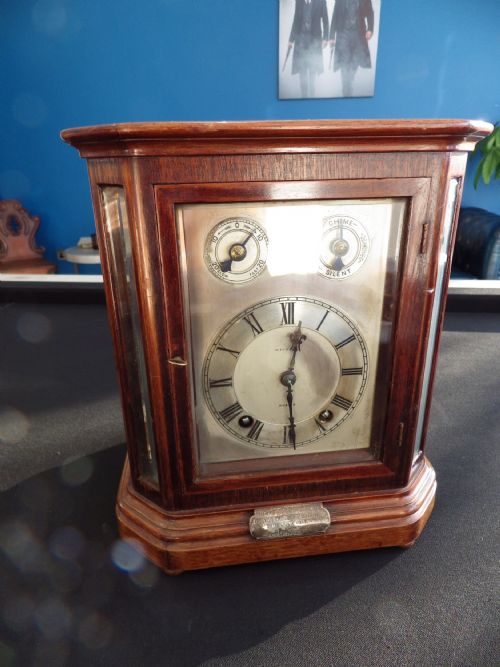


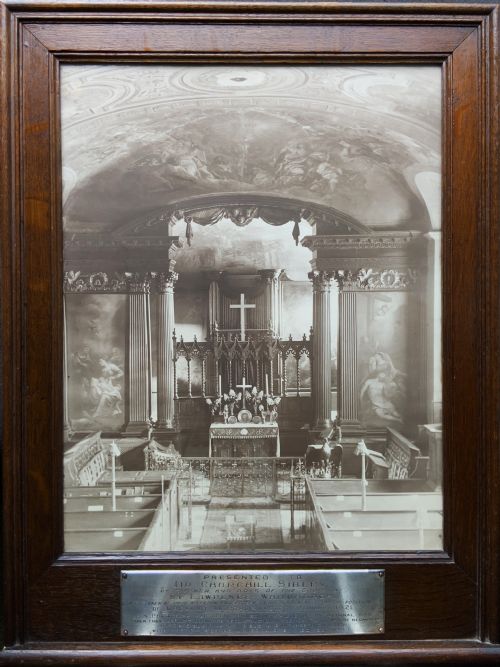


Antique Presentation Plaque
An antique presentation plaque marks a specific achievement, regiment or jubilee, bringing solid historical context and tangible craft into a room.
Antique Presentation Plaque
An antique presentation plaque appears primarily as an engraved brass or metal plate mounted on wooden frames, boxes, or furniture, recording specific historical events, regiments, and jubilees. These objects bridge decorative arts and direct historical commemoration, often taking the form of dedicated plaques fixed to stepped oak frames or presentation boxes.
The material record spans the nineteenth and twentieth centuries, encompassing Victorian items alongside later Edwardian and interwar pieces. Buyers encounter silver-plated lawn bowling plaques, royal presentation badges, and painted portraits housed in frames carrying dedicated inscriptions to firms and individuals.
Origins stretch from local British regiments and church altars to colonial contexts, demonstrated by Indian silver presentation trophies and Anglo-Indian colonial styles. The variety reflects institutional, corporate, and personal milestones ranging from the Assam Valley Light Horse to corporate silver jubilees.
How they were made
Makers utilised durable hardwoods such as oak and mahogany to construct the primary mounts, boxes, and frames that support the metalwork. These woods were carved, joined, and polished to create robust housings capable of preserving inscriptions for generations.
Brass, silver, and silver-plate provide the medium for the plaque surfaces, where lettering and decorative motifs were typically engraved or stamped. In more complex works, oil on canvas portraits or sepia photographs were integrated directly into the timber surrounds to sit alongside the metal text.
Several plaques record the precise movements of the Assam Valley Light Horse and lawn bowling victories from the turn of the century.
What varies in quality
The distinction between standard and superior pieces rests on the depth of the historical record and the crispness of the engraving. Plaques with detailed provenance identifying specific regiments, corporate bodies, or named recipients carry greater historical weight than generic items.
Materials and associated framing elevate certain examples above others, particularly where substantial carved oak, silver-plating, or original oil paintings are preserved intact. The integration between the plaque and its host object - whether a presentation box, desk chair, or double portrait frame - defines the overall cohesion of the piece.
Kershaw Schofield
The Antique Presentation Plaque Glossary
- Presentation plaque
- An inscribed metal plate fixed to an object to commemorate an individual, group, or historical event. These markers frequently denote military service, sporting victories, or corporate milestones.
- Silver-plate
- A base metal coated with a thin layer of silver to give the appearance of solid silver. This technique allowed Victorian makers to produce impressive commemorative items at a lower cost.
- Stepped frame
- A picture or mirror frame formed with concentric receding tiers of wood that draw the eye inward towards the subject. This architectural moulding style appeared frequently on twentieth-century commemorative portraits.
- Provenance
- The documented history of ownership and origin associated with an antique. A clear lineage enhances the historical significance of a presentation piece.
Antique Presentation Plaque: Frequently Asked Questions
What is an antique presentation plaque?
An antique presentation plaque is a dedicated metal plate, usually brass or silver-plated, inscribed to record a specific event, military unit, or corporate milestone. They appear mounted on wooden boxes, picture frames, and furniture.
These pieces served as tokens of honour or commemoration, often presented to retiring officers, doctors, or companies to mark jubilees and achievements.
How were presentation plaques used?
These plaques were mounted onto significant objects to permanently record a presentation, functioning both as historical documents and decorative items. They transformed ordinary boxes, frames, and trophies into personalised historical markers.
Owners displayed them in boardrooms, offices, or private homes to signify prestige, military association, or institutional achievement.
How do I care for wooden frames with metal plaques?
Keep wooden frames and boxes away from direct sunlight and excessive humidity to protect the timber and prevent the metal from tarnishing rapidly. Dust the carved surfaces gently with a dry, soft cloth.
Avoid using harsh chemical polishes on the engraved metal plates, as abrasive cleaning can wear away the original lettering and patination.
How can I tell the period of a plaque?
The style of the engraving, the typeface utilised, and the accompanying object help establish the date of manufacture. Victorian pieces often display Gothic or ornate serif lettering, while interwar items lean towards cleaner architectural framing.
Look for hallmarks on silver or silver-plated components, along with any inscribed dates that tie the object to specific historical events or royal jubilees.