

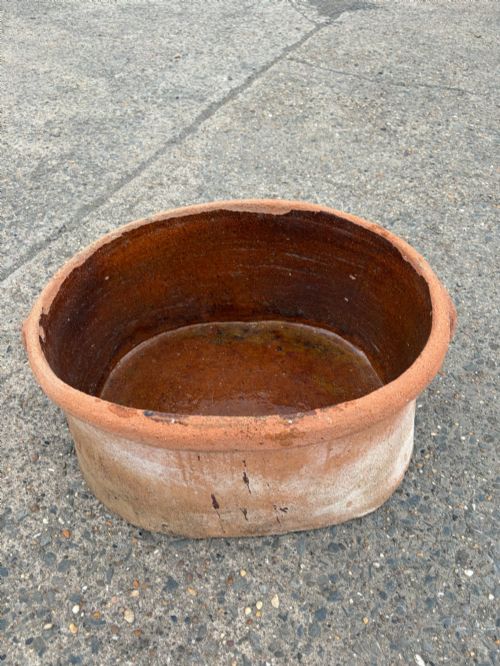


Antique Pottery Tub
An antique pottery tub brings weight and history into a room, offering robust utility and quiet period character.
Antique Pottery Tub
An antique pottery tub encompasses a diverse group of heavy ceramic vessels designed for storage, food preparation, and washing. The selection here spans utilitarian storage crocks, large footbaths, and specialised kitchenalia from various historical eras.
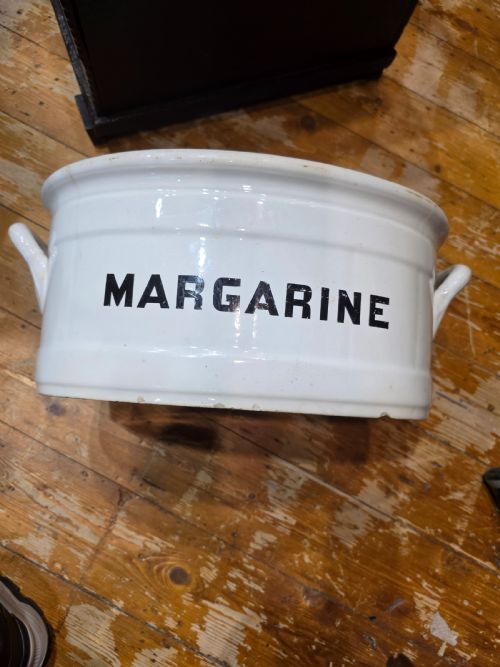
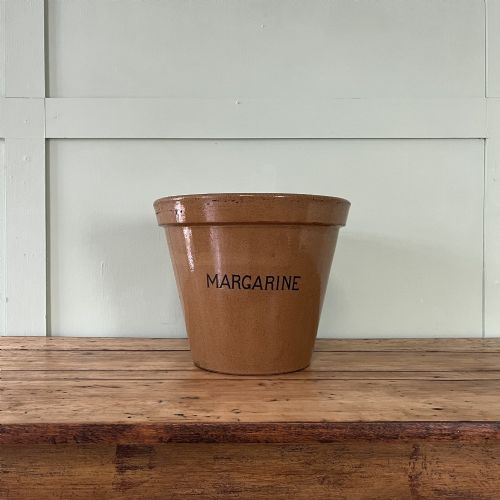
The versions most commonly met on this page range from nineteenth century earthenware footbaths to heavy Victorian stoneware margarine bowls and Edwardian kitchen storage vessels. These items bridge the gap between domestic utility and decorative display.
Originating from English, Scottish, and continental potteries, these pieces reflect the practical domestic needs of past centuries. Their sturdy construction ensures they survive as functional decorative objects today.
How they were made
Potters shaped these vessels using durable earthenware, stoneware, terracotta, or ironstone, depending on the intended domestic function. Heavy throwing and moulding techniques ensured the walls were thick enough to withstand daily kitchen or scullery use.
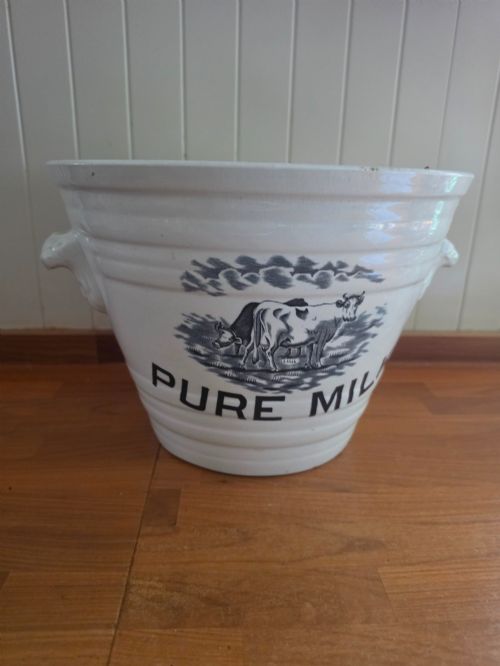
Glazes applied to the surfaces provided both waterproofing and decoration, ranging from simple salt glazes on stoneware to intricate blue and white transfer printing on earthenware. Firing in traditional kilns created the hard-wearing finishes visible on these surviving examples.
Antique Pottery Tub Retail Price Guide 2026
Typical asking prices for pottery tub among the pieces listed under this phrase on Sellingantiques today, from the lower quarter to the upper quarter. They describe what is for sale here now, not the wider market.
Victorian grocers utilised ceramic tubs not just for storage, but as counter displays to tempt buyers with high-end margarine and butter.
What varies in quality
Quality in an antique pottery tub rests upon the crispness of the moulding, the stability of the glaze, and the clarity of any transfer-printed decoration. Pieces with well-defined handles, clean rims, and even coloration show greater care at the kiln stage.
The presence of maker marks, registration diamonds, or specific advertising lettering adds distinction to utilitarian forms. Condition also plays a role, with preferred pieces retaining their original surface sheen and structural integrity despite heavy domestic service.
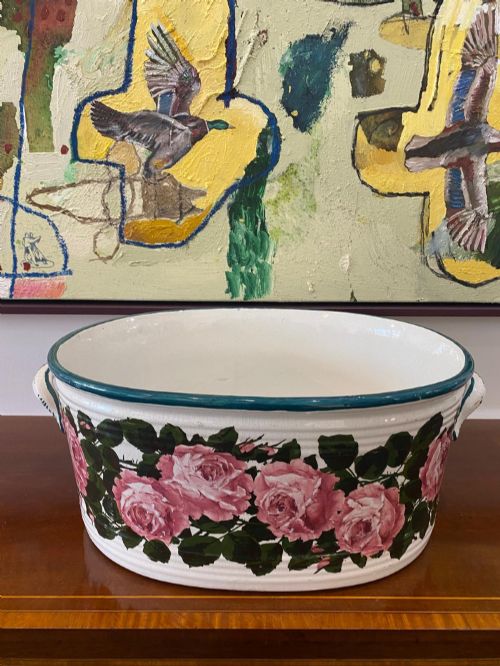
Wemyss·Staffordshire·Heathcote
The Antique Pottery Tub Glossary
- Earthenware
- A porous pottery fired at lower temperatures, requiring a glaze to hold liquids. It forms the body of many traditional kitchen vessels and footbaths.
- Stoneware
- A dense, vitrified ceramic fired at high heat, rendering it completely waterproof without glaze. This material was favoured for heavy storage crocks and dairy items.
- Ironstone
- A heavy, durable type of earthenware patented in the nineteenth century to imitate Chinese porcelain. It provides exceptional strength for large domestic items.
- Transfer printing
- A decoration technique where an engraved metal plate transfers a design onto paper, which is then pressed onto the ceramic body before glazing. This method produced the classic blue and white patterns found on many period footbaths.
- Terracotta
- An unglazed or clear-glazed fired clay ranging in colour from orange to brown. It was commonly used for garden planters and specific food storage vessels.
Antique Pottery Tub: Frequently Asked Questions
What were antique pottery tubs used for?
These vessels served heavy domestic duties ranging from washing linen and bathing feet to storing bulk foodstuffs like margarine, butter, and salt.
Larger forms operated in sculleries and dairies, whilst smaller ceramic barrels sat upon dining tables or in larders for daily provisions.
How do I care for glazed stoneware?
Glazed stoneware requires gentle washing with warm water and mild soap to preserve the original surface and any historic glaze crazing.
Avoid harsh scouring pads or chemical cleaners that can dull the earthenware body or damage old transfer-printed decorations.
Can I use an antique footbath for plants?
Large ceramic footbaths make striking planters for indoor foliage or floral displays, provided you protect interior surfaces.
Using a nursery pot inside the vessel prevents moisture from sitting directly against the historic earthenware body.
How do I identify a nineteenth century piece?
Nineteenth century vessels typically display the heavy potting, characteristic ironstone or earthenware bodies, and specific glaze tones of the Victorian era.
Transfer-printed patterns and utilitarian forms from this period often align with documented regional British and continental pottery production methods.