



Antique Pottery Serving Tray
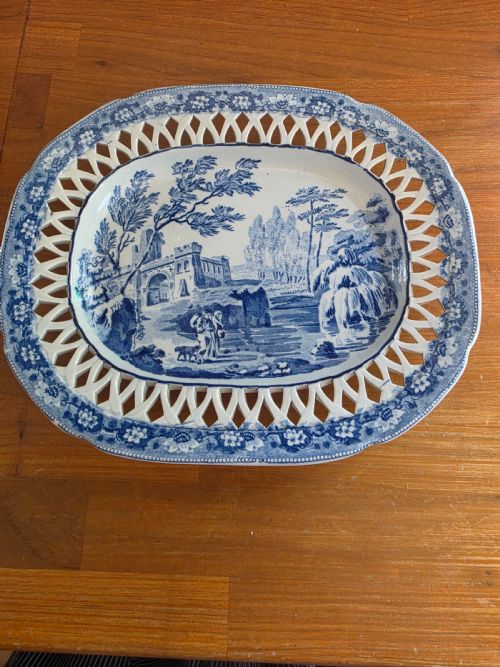
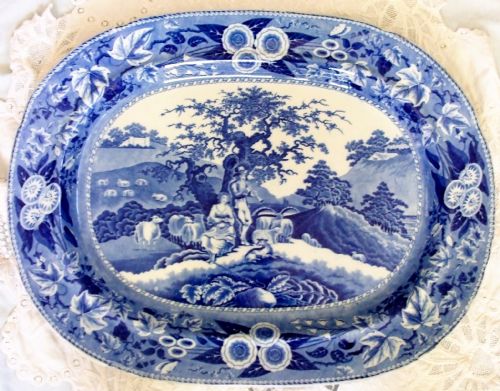
These antique pottery serving tray pieces bring tangible history to the table, offering practical utility and decorative depth.
Antique Pottery Serving Tray
An antique pottery serving tray encompasses a diverse group of large ceramic dishes, platters, meat plates, and stands utilised for dining and presentation. When exploring this selection, buyers encounter functional tableware spanning the Georgian, Regency, and Victorian periods.
The pieces appearing here include transfer-printed earthenware, pearlware, and ironstone vessels created for domestic service. Examples range from expansive meat platters to specialised bread stands, sauce tureen bases, and trefoil dishes.
Most items emerge from nineteenth-century English potteries, alongside occasional French faience and Japanese Imari imports. Blue and white transfer decoration dominates the selection, depicting pastoral scenes, architectural ruins, and exotic motifs.
Materials and production methods
Potters utilised earthenware, pearlware, and ironstone bodies shaped into expansive platters and serving dishes. These ceramic foundations provided the durability required for heavy daily use in busy dining rooms.
Decoration relied heavily on cobalt pigment applied via transfer printing to create intricate blue and white patterns before glazing. Lead glazes and specialised majolica techniques also surface across the nineteenth-century examples, sealing the ceramic body and imparting a glossy finish.
Antique Pottery Serving Tray Retail Price Guide 2026
Typical asking prices for pottery serving tray among the pieces listed under this phrase on Sellingantiques today, from the lower quarter to the upper quarter. They describe what is for sale here now, not the wider market.
Listings feature earthenware, pearlware, and ironstone, dominated by nineteenth-century English blue and white transfer printing.
Distinctions in quality and execution
Quality reveals itself in the crispness of the transfer printing and the depth of the cobalt pigment against the ceramic ground. Finer pieces display sharp detail in complex pictorial patterns without blurring or smudging.
The sophistication of the vessel shape, such as fretted rims, pierced borders, or unusual moulded forms like trefoil and tureen stands, separates standard utilitarian wares from superior artistic productions.
Davenport·Spode·Copeland and Garrett·Thomas Lakin·Don Pottery·John Rogers and Son·J and R Clews·Elkin Knight and Bridgwood·Masons Ironstone China
The Antique Pottery Serving Tray Glossary
- Pearlware
- A refined earthenware developed in the late eighteenth century featuring a delicate bluish glaze that pooled in crevices. This glaze made the underlying ceramic body appear whiter than standard creamware.
- Transfer printing
- A method of decorating ceramics by engraving a design onto a copper plate, pulling it on tissue paper, and pressing it onto the biscuit ware. This technique allowed intricate pictorial scenes to be applied rapidly.
- Ironstone
- A heavy, durable type of ceramic patented in the early nineteenth century designed to resist chipping. It served as a robust alternative to porcelain for large serving dishes and platters.
- Faience
- Tin-glazed earthenware produced in continental Europe, often featuring hand-painted designs on an opaque white background. French provincial examples demonstrate this traditional glazing method.
- Majolica
- A colourful, lead-glazed earthenware popular during the Victorian era. It utilises vibrant oxide colours applied directly to an opaque tin glaze.
Antique Pottery Serving Tray: Frequently Asked Questions
What were antique pottery serving trays used for?
These large ceramic platters and dishes served substantial joints of meat, bread, and courses during formal nineteenth-century dining. Specialised shapes also functioned as stands for sauce tureens and cheese dishes.
Over time, their roles shifted from heavy kitchen service to decorative display on sideboards and dining room walls.
How do I care for an antique serving platter?
Wash these ceramic pieces gently by hand using mild soap and warm water rather than placing them in a dishwasher. Avoid soaking older earthenware for extended periods to protect the historic glaze and ceramic body.
Display them securely on stable surfaces or use coated wire hangers if mounting them safely on a wall.
How can I tell Georgian pieces from Victorian ones?
Georgian and Regency pieces often feature refined pearlware bodies with delicate blue and white transfer scenes inspired by classical ruins or pastoral landscapes. Victorian items frequently showcase heavier ironstone, bolder majolica glazes, or intricate chinoiserie patterns.
Examining the foot ring, glaze pooling, and maker marks helps confirm the period of production.
Are these platters safe for serving food today?
While many of these ceramic dishes remain structurally sound, nineteenth-century glazes may contain historical materials that are unsuited for acidic foods. Many collectors prefer to use them for dry items like bread or fruit, or simply retain them for display.
Assess each piece individually based on the condition of its glazed surface before deciding on modern culinary use.