


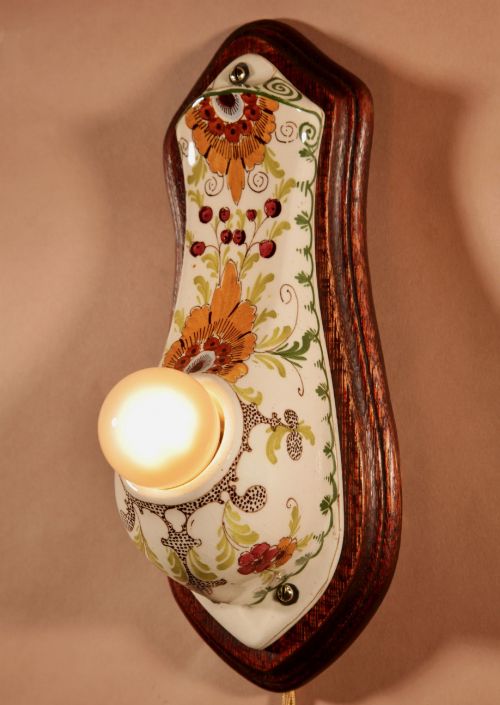
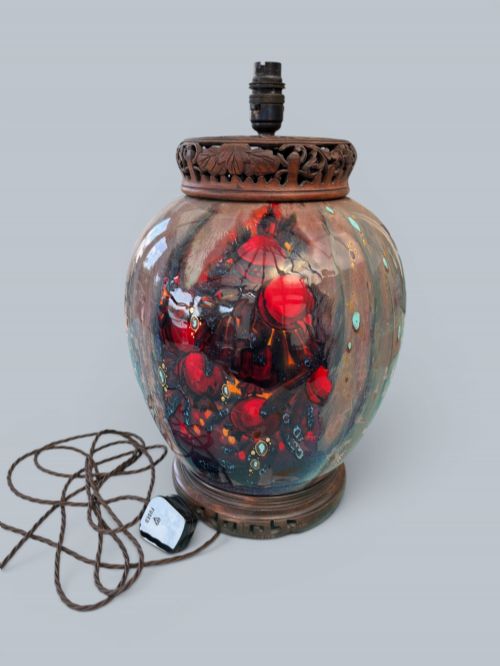


Antique Pottery Lighting
These antique pottery lighting pieces bring rich ceramic texture and period character into a room, offering functional illumination shaped by centuries of decorative arts.
Antique Pottery Lighting
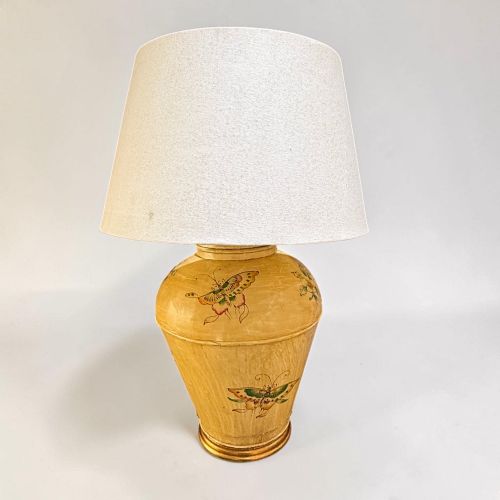
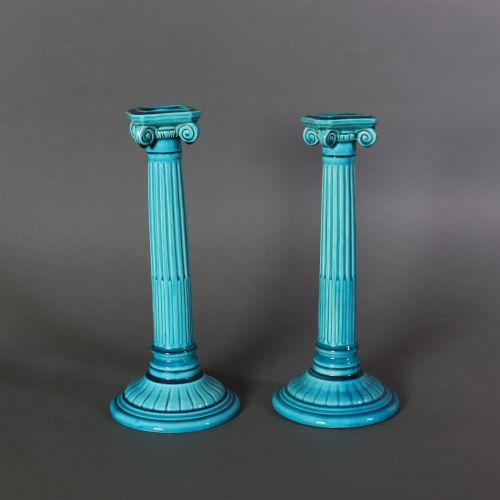
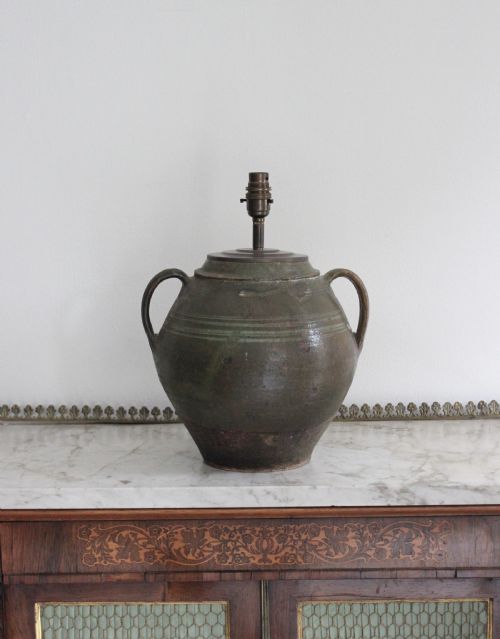
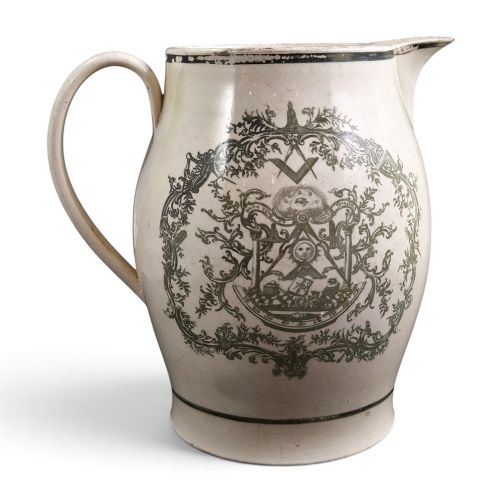
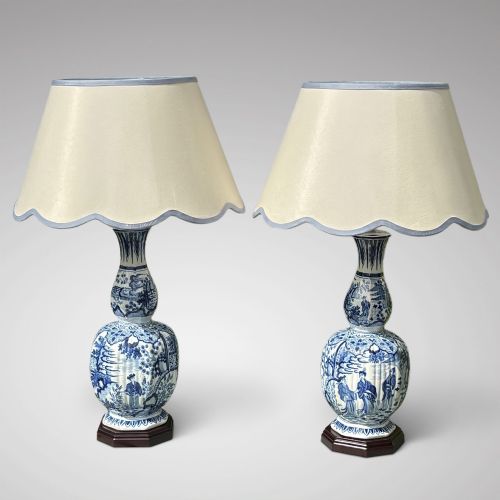
When searching for antique pottery lighting, you encounter a diverse range of converted vessels, candlesticks, and purpose-built lamps that bridge utility and decorative arts. The selections span from eighteenth-century delft vases and creamware jugs adapted into lamps to nineteenth-century faience candlesticks and chambersticks.
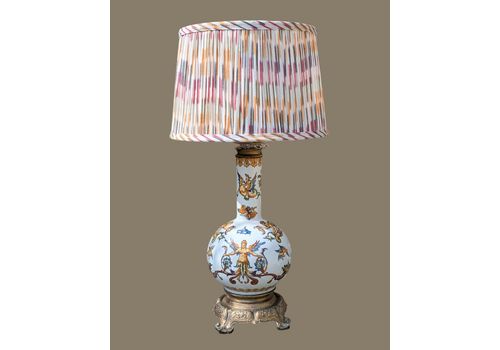
Table lamps and wall lights dominate the offerings, frequently incorporating ceramic bodies mounted with brass fittings or paired with fabric shades. Pieces draw upon styles as varied as Dutch Delftware, Art Deco, Arts and Crafts, and Japanese Satsuma, reflecting global influences across successive periods.
Materials and Construction
The physical build of these pieces relies on ceramic, earthenware, porcelain, and stoneware bodies often enriched with detailed glazes, enamel, or hand-painted decoration. Metal components such as brass frequently provide structural support for bases and wiring.
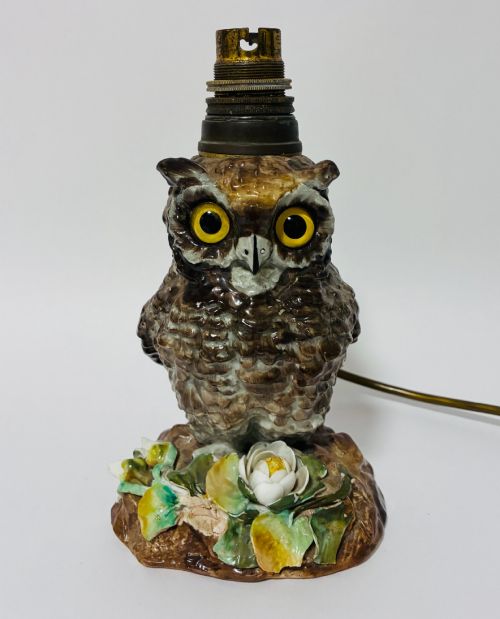
Many items began as functional vessels, vases, or chambersticks before later conversion into lamps through the addition of electrical wiring and fittings. Wood and fabric elements supplement the primary ceramic structures, particularly in matched pairs and lamps fitted with custom shades.
Antique Pottery Lighting Retail Price Guide 2026
Typical asking prices for pottery lighting among the pieces listed under this phrase on Sellingantiques today, from the lower quarter to the upper quarter. They describe what is for sale here now, not the wider market.
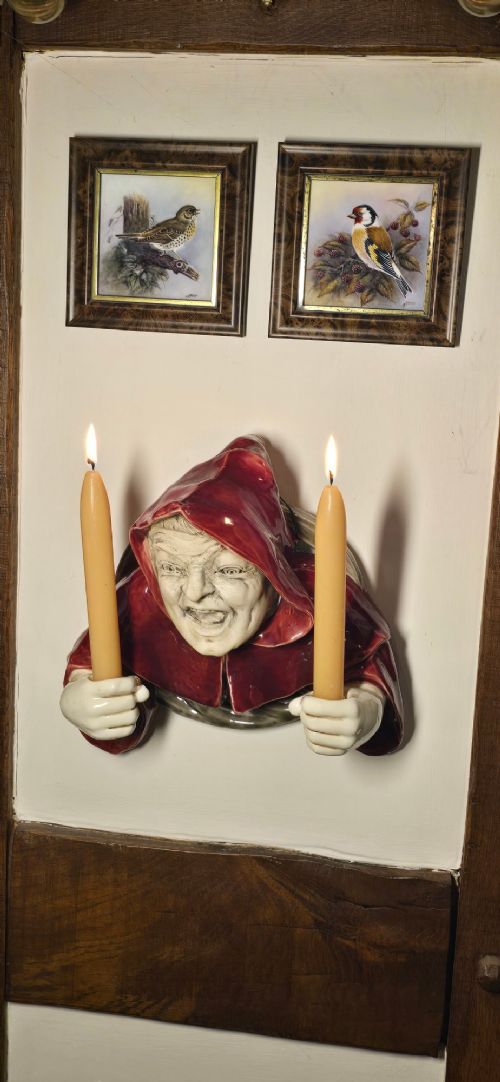
The inventory includes diverse forms such as wall sconces, ginger jar lamps, chambersticks, and matched pairs of candlesticks.
Judging Quality and Execution
Quality reveals itself in the crispness of the ceramic moulding, the depth and consistency of the glaze, and the precision of hand-painted or transfer-printed surface decoration. Superior pieces maintain integrity in their original forms even when adapted for modern illumination.
The harmony between the ceramic body and any added metal mounts or bases distinguishes finer examples. Matched pairs and pieces retaining distinct maker attributions demonstrate greater design cohesion and historical interest.
Burmantofts Faience·Royal Doulton·Doulton Lambeth·Denby Ware·Samuel Alcock
The Antique Pottery Lighting Glossary
- Faience
- Tin-glazed earthenware produced across various European centres, known for colourful painted decoration over an opaque white glaze.
- Chamberstick
- A low candlestick fitted with a handle and a shallow pan to catch melting wax, designed for carrying about a house.
- Veilleuse
- A small ceramic night light or food warmer originating in France, typically comprising a pierced body enclosing a small heat source.
- Majolica
- A type of earthenware coated with an opaque tin glaze and painted with bright metal oxide colours, popular during the nineteenth century.
- Creamware
- A refined light-coloured earthenware developed in eighteenth-century England, valued for its warm tone and smooth lead glaze.
Antique Pottery Lighting: Frequently Asked Questions
How do I wire an old lamp?
Converting an antique ceramic vessel into a lamp generally involves running a cord through a drilled base or utilising existing apertures without damaging the pottery body.
Professional rewiring ensures modern safety standards while preserving the structural and aesthetic integrity of the original ceramic piece.
Are these lamps safe to use?
Most antique lighting requires inspection and modern electrical components to meet current safety requirements for daily home use.
Working with a qualified electrician allows you to update the internal wiring while keeping the historical ceramic components intact.
How do I identify the period?
Dating relies on stylistic markers, ceramic composition, glaze characteristics, and any factory stamps or marks found on the base.
Comparing the decorative style - such as Art Deco geometric motifs or Victorian revival designs - helps narrow the window of manufacture.
Can converted vases be reversed?
Reversing a conversion depends heavily on whether the original ceramic body was drilled to accommodate electrical wiring.
If holes were introduced during the adaptation, returning the vessel to its original state as a purely decorative vase becomes difficult.