





Antique Pottery Lamps
These antique pottery lamps bring centuries of ceramic artistry into domestic lighting, offering character that modern reproductions cannot match.
Antique Pottery Lamps
When you search for antique pottery lamps, you encounter a diverse selection of ceramic, earthenware, and porcelain bodies mounted for illumination.
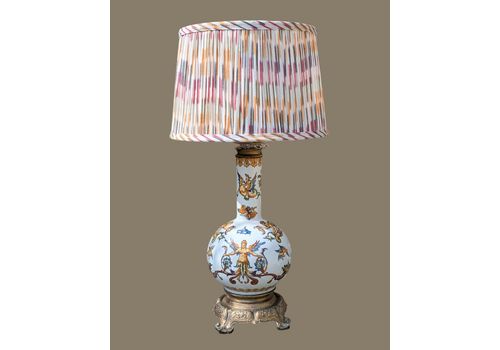
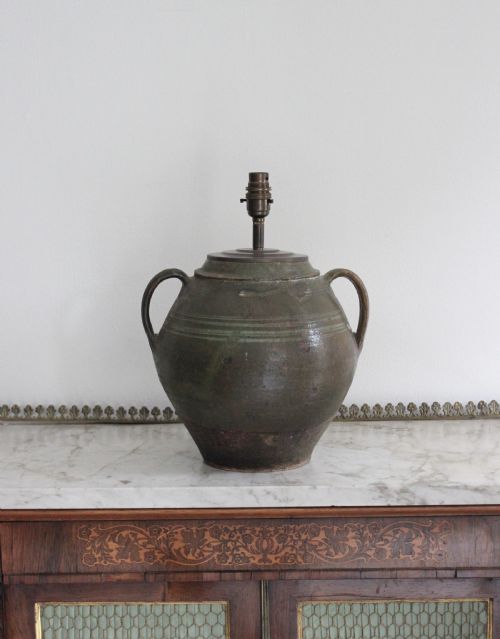
The objects on this page range widely in origin and form, including converted vases, ginger jars, and tobacco jars repurposed from earlier centuries.
Table lamps dominate the selection, spanning periods from the eighteenth century through the Victorian era and into the Art Deco epoch.
How they were made
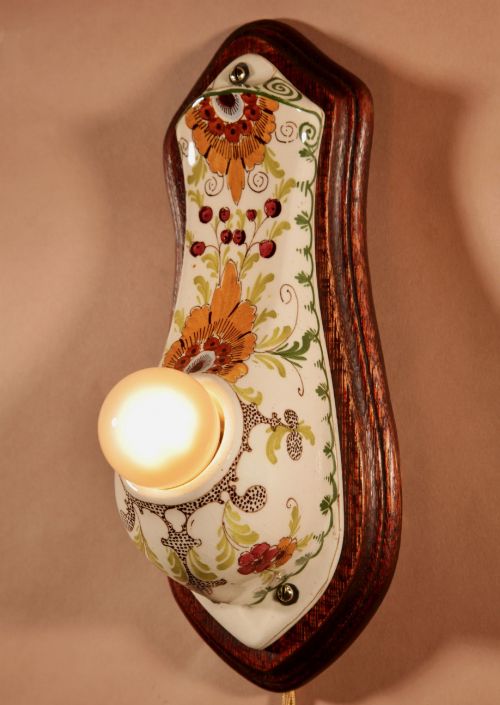
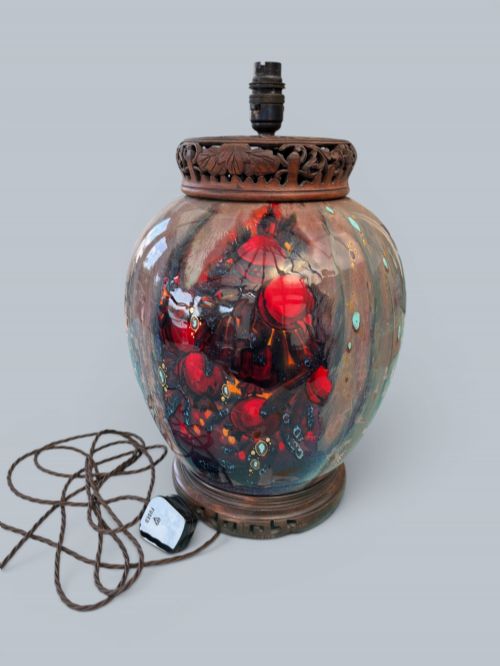
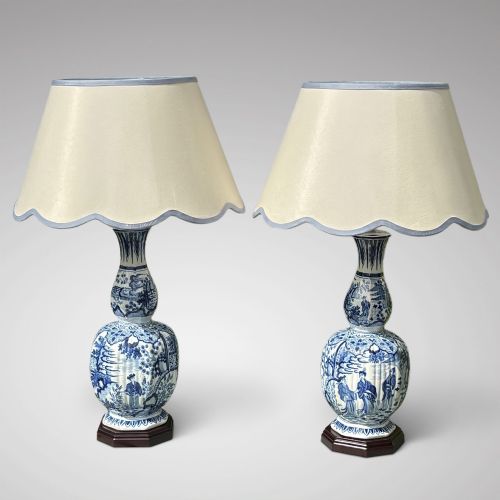
Potters shaped these bodies from earthenware, ceramic, and porcelain, often applying hand-painted glazes, Delft blue and white designs, or polychrome enamel decoration.
Many of the pieces began life as utilitarian vessels or decorative vases before undergoing later conversion into wired lamps with brass or gilt fittings.
Antique Pottery Lamps Retail Price Guide 2026
Typical asking prices for pottery lamps among the pieces listed under this phrase on Sellingantiques today, from the lower quarter to the upper quarter. They describe what is for sale here now, not the wider market.
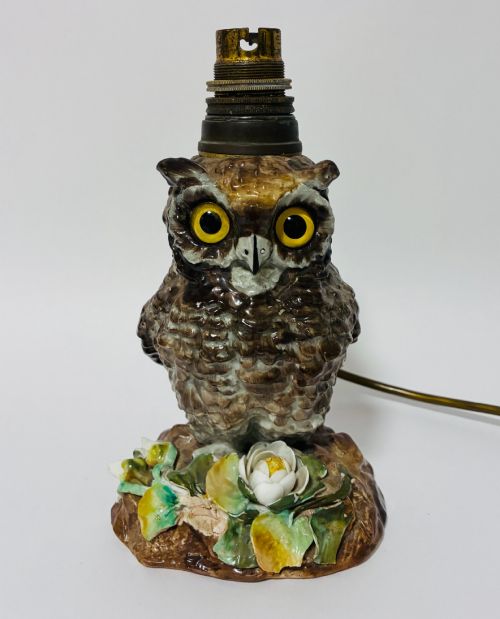
Keep an eye out for the ceramic owl base keeping watch among the ginger jars.
What varies in quality
The quality of these lighting pieces depends primarily upon the fineness of the original ceramic body and the precision of the hand-painted decoration.
Proportion and balance also distinguish superior examples, particularly when original vases receive their metal mounts and wiring without disrupting the harmony of the form.
Moorcroft·Denby Ware·Royal Doulton
The Antique Pottery Lamps Glossary
- Earthenware
- Porous pottery fired at lower temperatures, commonly used for traditional and majolica bodies.
- Celadon
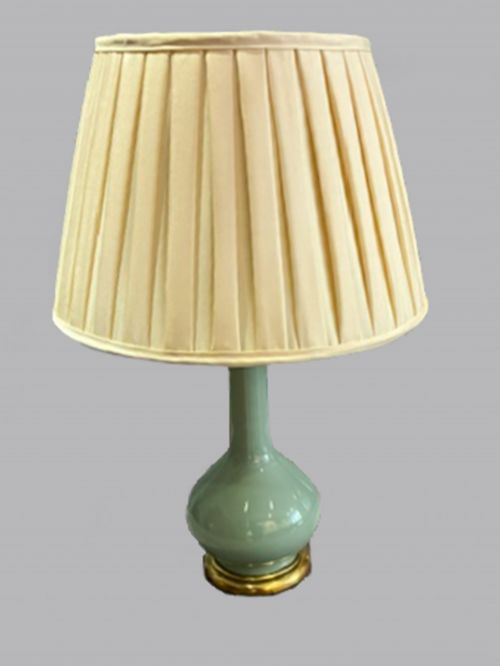
- A pale green glaze originating in East Asia, seen on nineteenth-century French and Asian vessels.
- Faience
- Tin-glazed earthenware produced in various European traditions, often featuring hand-painted botanical or figurative motifs.
- Majolica
- Opaque tin-glazed pottery known for vibrant coloured lead glazes, popular during the nineteenth century.
Antique Pottery Lamps: Frequently Asked Questions
Are these lamps safe for modern use?
Most antique pottery lamps have been adapted for modern electrical standards during their conversion from vases or jars.
Buyers should inspect the wiring or consult a professional electrician to ensure the fittings meet contemporary safety requirements.
How do I date an old pottery lamp?
Dating relies upon examining the ceramic body, glaze characteristics, and any makers marks on the base.
Stylistic indicators such as Art Deco geometric motifs or Victorian revival details also help establish the period.
Can I replace the lampshade safely?
Replacing the shade is straightforward provided the fitter matches the original gallery or harp size.
Handmade fabric or silk shades often complement the historic aesthetic of ceramic and porcelain bases.
What is a converted vase lamp?
A converted vase lamp is an original ceramic vessel that has been drilled and fitted for electrical wiring.
This practice preserves antique porcelain and stoneware by giving them a functional purpose in contemporary interiors.