



Antique Pottery Collection
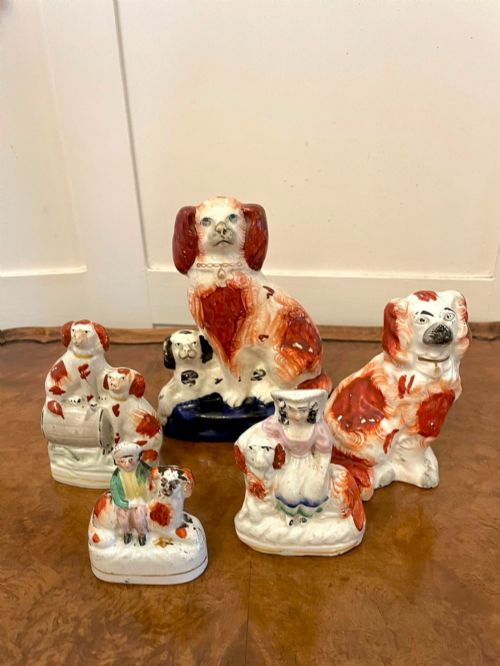
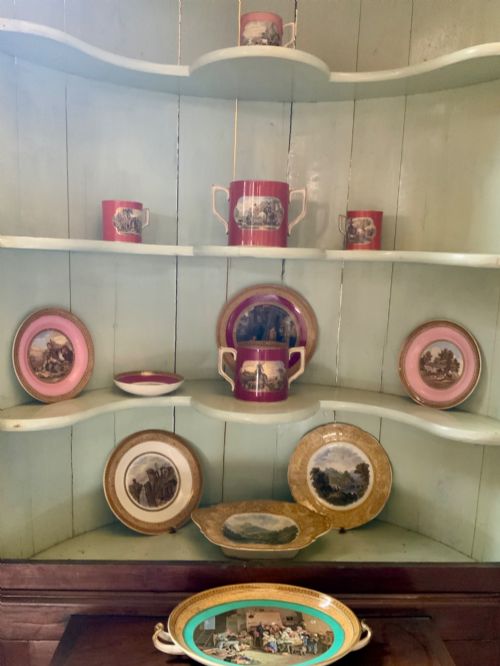
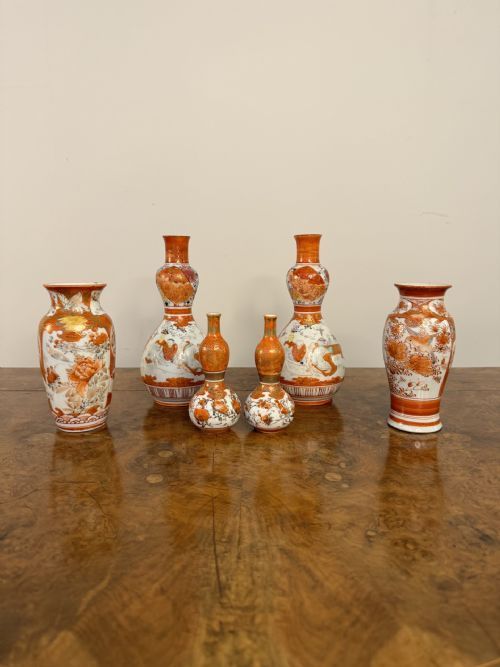
These curated groups form an antique pottery collection, bringing together Staffordshire dogs, Japanese Imari, and early ceramics that add depth and character to a room.
Antique Pottery Collection
An antique pottery collection gathers grouped ceramics spanning the nineteenth century alongside earlier ancient pieces and later Art Deco items. Buyers frequently encounter sets of Staffordshire figures, Scottish carpet bowls, and Japanese Imari wares among these groupings.
The offerings range from miniature Doulton Lambeth Carrara Ware vases to larger decorative jars and plates. Each group presents a distinct regional aesthetic, whether British earthenware or Meiji period Japanese porcelain.
Materials and methods
Potters utilised earthenware, terracotta, and porcelain bodies, shaping them into vases, figurines, and plates. Earthenware forms like Staffordshire dogs and Prattware received hand-painted decoration and glazed finishes.
Japanese Imari pieces combined porcelain with enamel and paint, whilst certain items incorporated gold leaf accents. Doulton Lambeth Carrara Ware employed specialised ceramic formulations to achieve miniature decorative vessels.
Antique Pottery Collection Retail Price Guide 2026
Typical asking prices for pottery collection among the pieces listed under this phrase on Sellingantiques today, from the lower quarter to the upper quarter. They describe what is for sale here now, not the wider market.
Nineteenth century Scottish carpet bowls spent their working lives rolling across parlour floors before retiring to display shelves.
Judging the standard
The sophistication of the glaze and the preservation of enamel or gold leaf details dictate the desirability of Imari plates and vases. Consistency across an entire multi-piece group elevates the collective merit of the set.
Doulton Lambeth·Charlotte Rhead
The Antique Pottery Collection Glossary
- Earthenware
- Porous pottery fired at lower temperatures, commonly used for nineteenth century British figures and jars. It requires a glaze to hold liquids.
- Imari
- Japanese porcelain decorated in underglaze blue and overglaze red, gold, and other colours. These wares gained massive popularity in Europe during the nineteenth century.
- Prattware
- A type of nineteenth century English earthenware known for multicoloured underglaze printing. Potters frequently applied these techniques to decorative jars and plaques.
- Carpet bowls
- Spherical ceramic objects rolled across indoor carpets in nineteenth century parlour games. They often display intricate patterns and bright colour variations.
- Terracotta
- Unglazed brownish-red fired clay utilised across ancient and later decorative objects. Its matte finish highlights the natural texture of the fired body.
Antique Pottery Collection: Frequently Asked Questions
What is an antique pottery collection?
An antique pottery collection comprises grouped historical ceramic items gathered together for display or study. These assortments often feature matching pairs or series of figures, plates, and vases from the same workshop or period.
Collectors appreciate these groupings because they provide an instant display of matching aesthetics, such as nineteenth century Staffordshire dogs or Japanese Imari dishes.
How were Staffordshire dogs displayed?
Staffordshire dogs typically sat on Victorian mantelpieces, often arranged as matching pairs facing inwards toward each other. Households placed them on either side of the fireplace clock or ornament.
During the nineteenth century, these ceramic spaniels served as domestic companions and decorative status symbols in British sitting rooms.
How do I care for antique ceramics?
Antique ceramics require gentle dusting with a soft, dry brush to protect fragile glazes and hand-painted surfaces. Avoid using water or chemical cleaners on porous earthenware or items featuring delicate gold leaf.
Keep collections away from direct sunlight and areas subject to sudden temperature shifts to prevent stress on the ceramic body and historic glazes.