


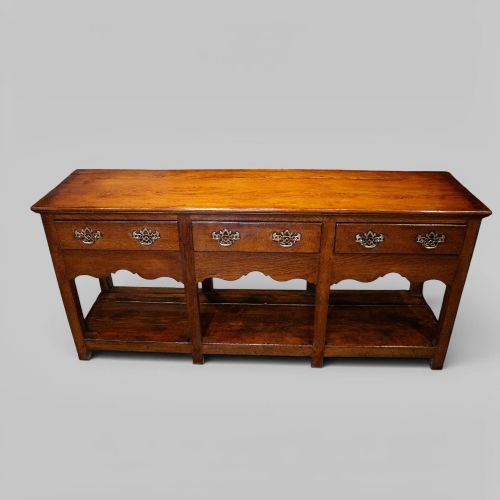
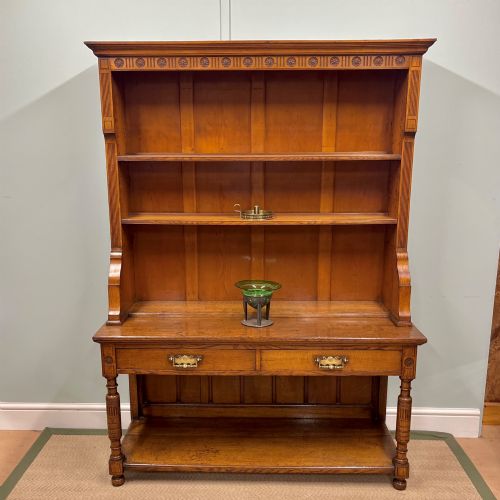
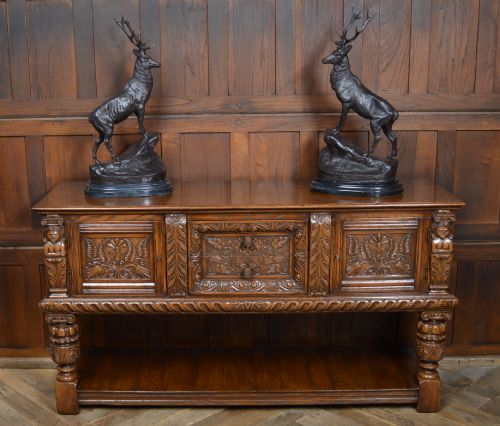

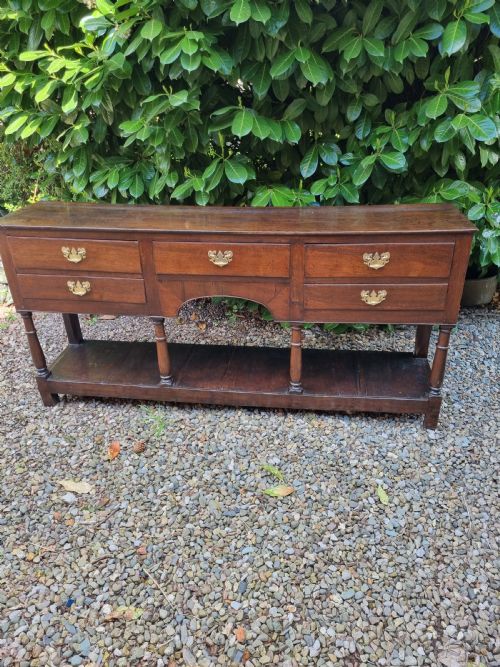
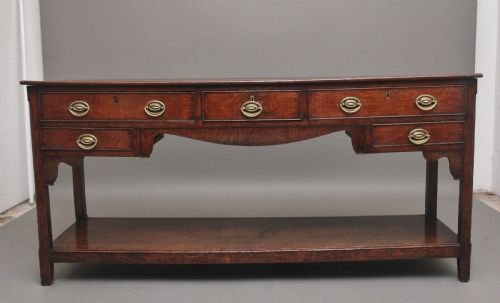
Antique Pot Board
An antique pot board brings enduring utility to a room through its open lower shelf and solid timber construction.
Antique Pot Board
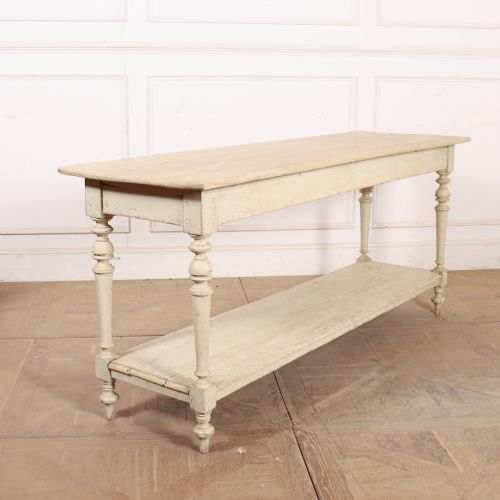
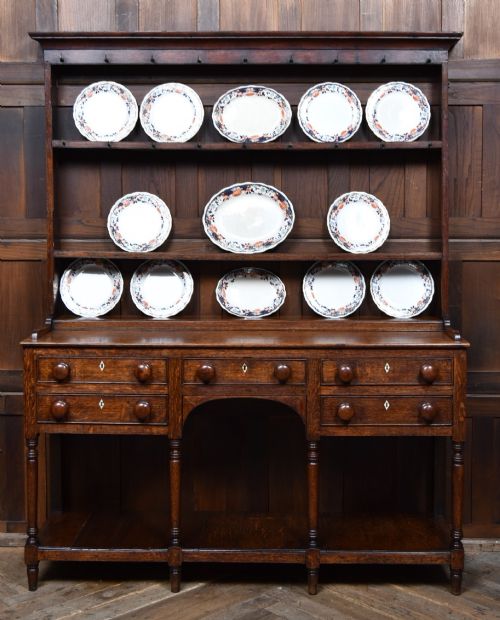
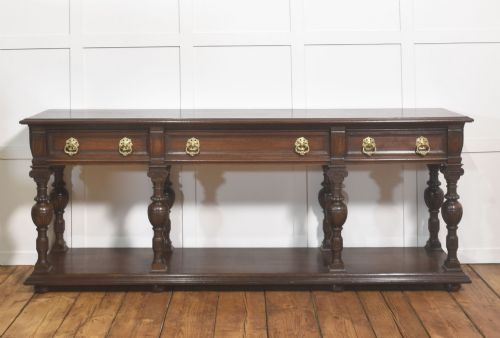
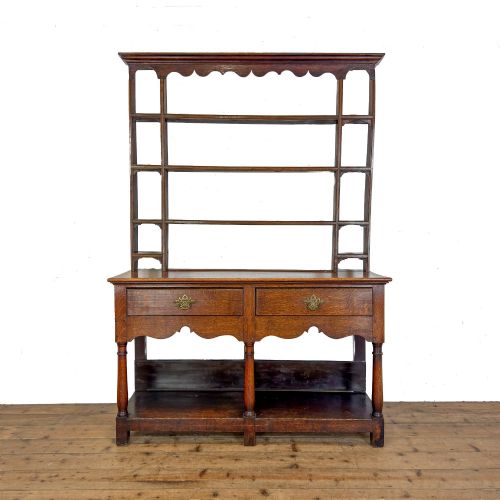
An antique pot board typically manifests as a dresser base, kitchen dresser, or serving table designed for practical storage and display. These pieces originate predominantly from the eighteenth and nineteenth centuries, spanning Georgian and Victorian periods.
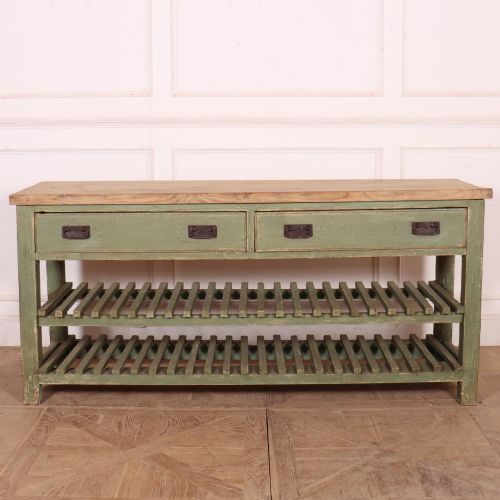
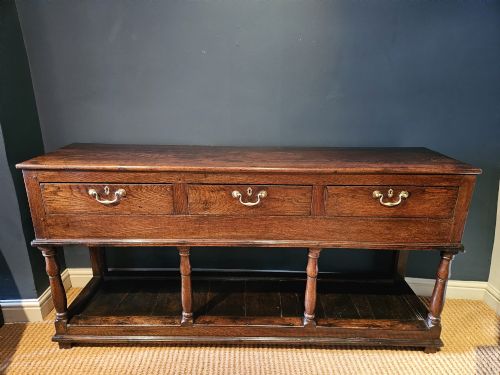
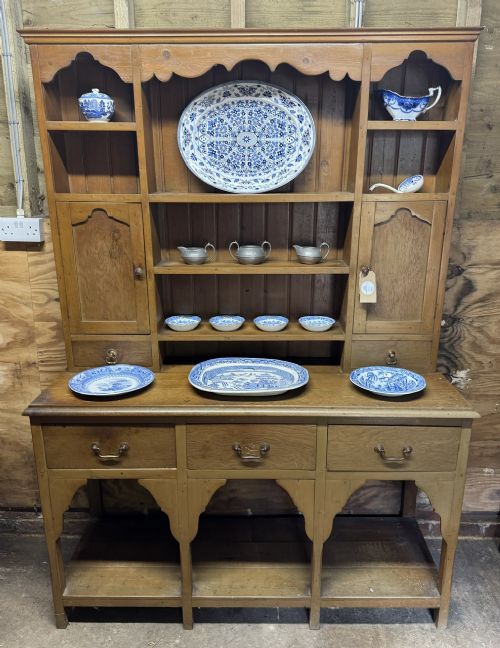
The version most commonly encountered on this page is the oak dresser base featuring an open lower shelf, known as the pot board, paired with drawers and a tabletop surface. Examples also appear in pine, painted softwood, and occasionally French or English regional styles.
Makers constructed these sturdy tables for domestic service in country houses, farmhouses, and vernacular kitchens. They now serve as practical sideboards, console tables, and focal points in modern living spaces.
How they were made
Joiners relied heavily on solid oak, pine, and painted softwood, shaping boards with hand tools to build robust frames. Drawers frequently feature traditional jointing methods, while lower pot boards are secured directly to the stretcher base to bear heavy domestic loads.
Surface finishes include natural wax over honey oak, original paint, and bleached timber treatments that highlight the grain. Iron and brass hardware such as pulls and hinges complete the construction of these utilitarian tables.
Several pieces retain the quiet marks of centuries of kitchen spoons sliding against timber drawer linings.
What varies in quality
The distinction between ordinary and superior examples lies in the integrity of the timber and the retention of original surface patination. Pieces that retain their early hardware, unaltered pot shelves, and authentic drawer linings command greater attention from collectors.
Proportion and regional character also dictate distinction, with vernacular Welsh and Georgian pieces showing thoughtful balancing of drawer counts and board thickness. Later revival examples display different carving details and lighter framing compared to their eighteenth-century predecessors.
Liberty of London
The Antique Pot Board Glossary
- Pot board
- An open lower shelf fitted beneath a dresser base or sideboard, traditionally used for storing pots and pans. This defining feature sits close to the floor upon stretchers.
- Dresser base
- The lower portion of a Welsh dresser, comprising a flat top surface and drawers above cupboards or an open shelf. These pieces function independently as sideboards.
- Vernacular
- Objects built by local craftsmen following regional traditions rather than high-style pattern books. These items emphasise utility and local materials.
- Patina
- The surface sheen and colour acquired by wood and paint through decades of use, cleaning, and exposure to light. Original patination indicates minimal restorative intervention.
Antique Pot Board: Frequently Asked Questions
What is a pot board used for?
A pot board served as a practical low shelf in country kitchens for holding heavy pots, pans, and utilitarian earthenware vessels off the damp flagstone floor.
In contemporary interiors, this lower shelf functions well for stacking large books, baskets, or decorative ceramics.
How do I date an oak dresser base?
Dating relies on examining construction marks, timber shrinkage, drawer dovetailing techniques, and the style of hardware present on the piece. Eighteenth-century examples generally display hand-sawn boards and pegged joints, whereas later nineteenth-century pieces show machine assistance.
Comparing the overall proportions to documented Georgian and Victorian vernacular forms helps confirm the approximate decade of origin.
Are pot board dressers always made of oak?
While oak remains the predominant timber found in these listings, makers also utilised pine, painted softwood, and mixed hardwoods. Regional variations often dictated timber choice, with Welsh and English pieces frequently employing local oak.
Painted finishes and softer woods appear regularly in nineteenth-century French and country house interpretations.
Can I use a dresser base as a sideboard?
A dresser base functions naturally as a sideboard in dining rooms, hallways, or kitchens due to its long surface and useful drawer storage. The height and depth match standard serving furniture requirements.
Placing one against a dining room wall provides both surface area for serving food and lower storage for table linens.