



Antique Portrait Vase
An antique portrait vase brings painted faces and classical figures onto ceramic and glass bodies, offering a striking centrepiece for a mantel or table.
Antique Portrait Vase
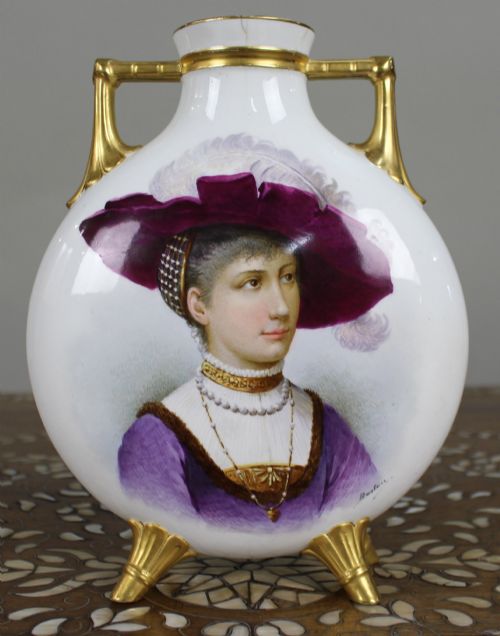
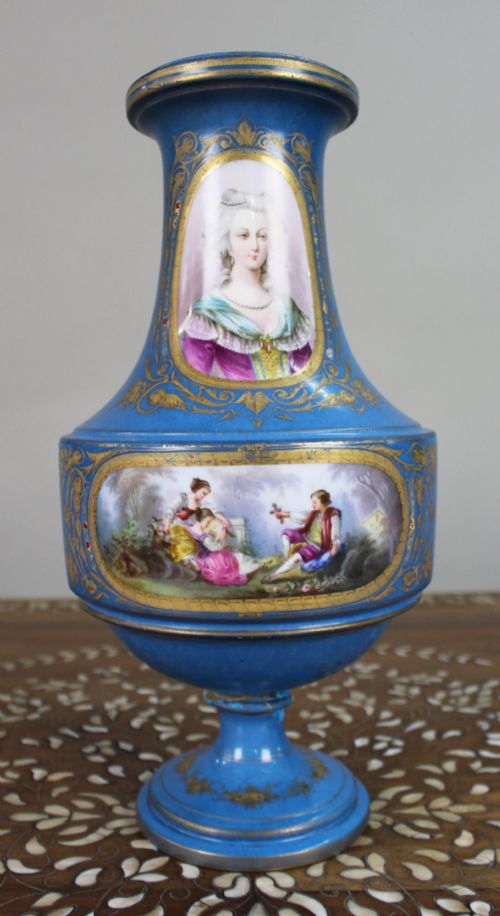
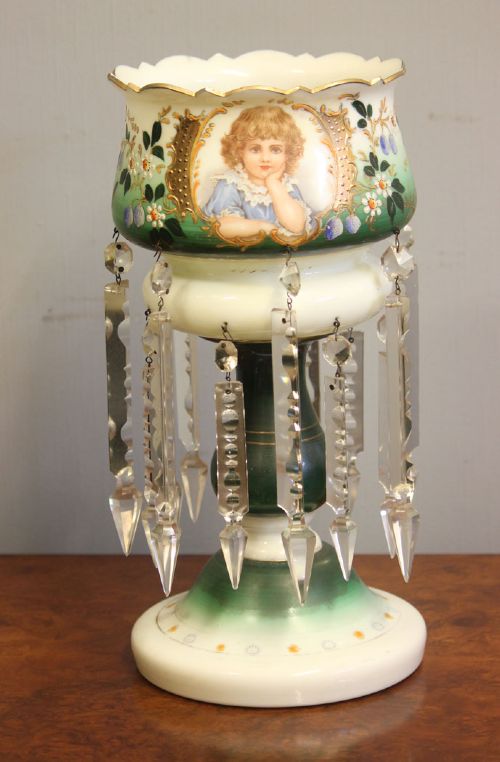
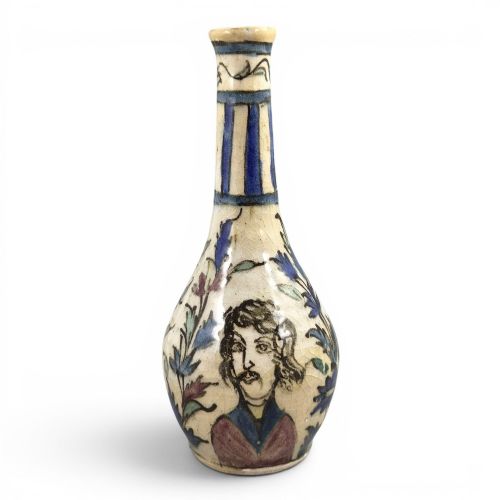
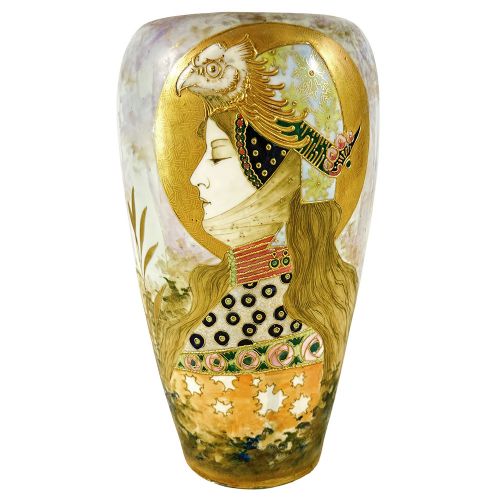
An antique portrait vase combines ceramic or glass vessels with detailed painted human likenesses, often drawing from Victorian, Art Nouveau, Neoclassical and Qajar traditions. These pieces range from Moon Flask forms and bottle vases to lidded urns and mantle lustres, featuring subjects from Persian pottery decorations to European porcelain scenes.
The selections span several centuries, with nineteenth-century examples appearing frequently alongside earlier pottery traditions. Buyers will encounter hand-painted porcelain from continental factories alongside Bohemian glass vessels overlaid with portraits and English wheel-engraved glass depicting historical philosophers.
Factors of quality
The application of gilding and gold leaf also plays a role, with clean, deliberate gilding indicating higher craftsmanship than flat or worn metallic decoration. Furthermore, the integration of the portrait with the form of the vase, whether moon flask or lidded urn, shows compositional success.
Antique Portrait Vase Retail Price Guide 2026
Typical asking prices for portrait vase among the pieces listed under this phrase on Sellingantiques today, from the lower quarter to the upper quarter. They describe what is for sale here now, not the wider market.
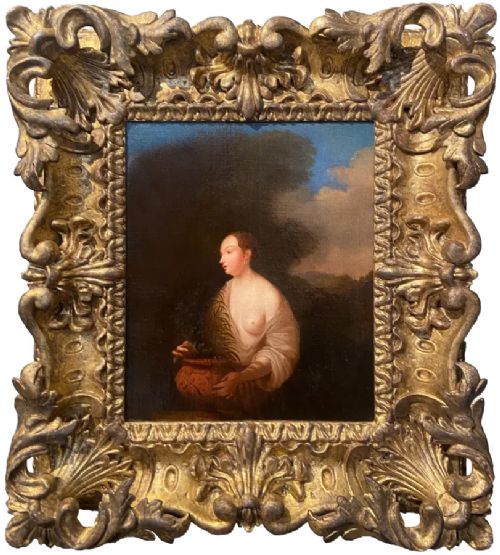
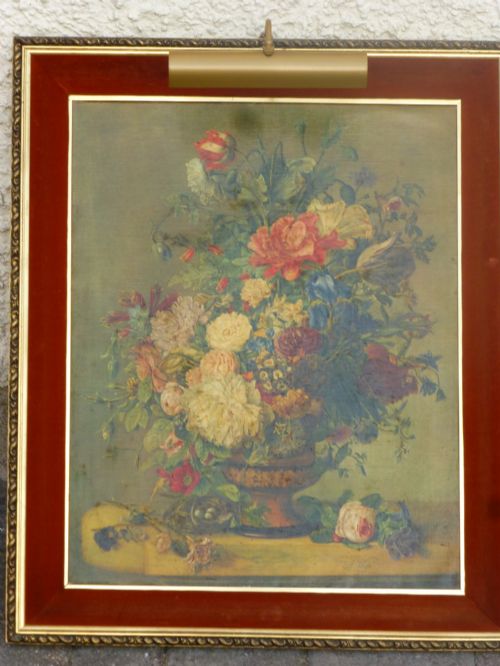
Materials recorded across the inventory include enamel, gold leaf, crystal, and oil on canvas alongside traditional ceramics.
Reissner Stellmacher and Kessel·Royal Vienna·Sèvres
The Antique Portrait Vase Glossary
- Moon flask
- A flat-backed ceramic vase with a circular body, often fitted with small side handles and decorated with painted panels.
- Mantle lustre
- A decorative glass or porcelain vase hung with glass prisms designed to reflect candlelight from a mantelpiece.
- Maiolica
- Tin-glazed Italian earthenware painted with brightly coloured polychrome designs and historical or portrait subjects.
- Bleu Céleste
- A bright turquoise blue glaze colour developed at the Sèvres porcelain factory in France during the eighteenth century.
- Gilt
- A thin layer of gold applied to the surface of porcelain, glass or metal to highlight decorative borders and scenes.
Antique Portrait Vase: Frequently Asked Questions
How do I date an antique portrait vase?
Dating relies on identifying the underlying material, the painting style, and any factory marks or signatures present on the base. Victorian and Art Nouveau examples often feature distinct colour palettes and potting shapes typical of the nineteenth century.
Comparing the portrait style and clothing depicted on the vase to known period art helps narrow the production window. Archival records and maker signatures provide further chronological context.
Where were portrait vases displayed?
These vases were designed for prominent display in nineteenth-century drawing rooms and parlours, often placed on mantelpieces or tables. They frequently formed part of garniture sets paired with matching mantle lustres or lidded urns.
Their decorative presence made them focal points for interior decoration during the Victorian and Edwardian periods. Collectors today continue to display them on mantel shelves and cabinets.
How do I care for a portrait vase?
Care requires gentle dusting with a soft, dry cloth to protect fragile painted surfaces and gilding. Avoid using chemical cleaners or immersing pieces with gold leaf in water.
Keeping the vase out of direct sunlight prevents fading of hand-painted enamels and oil pigments over time. Stable indoor humidity levels protect both ceramic bodies and glass structures.