

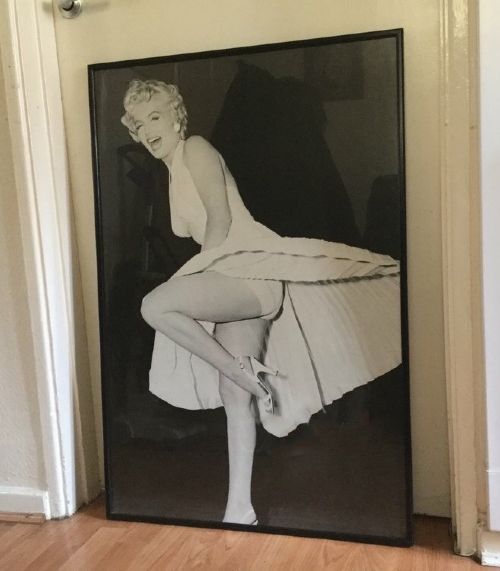
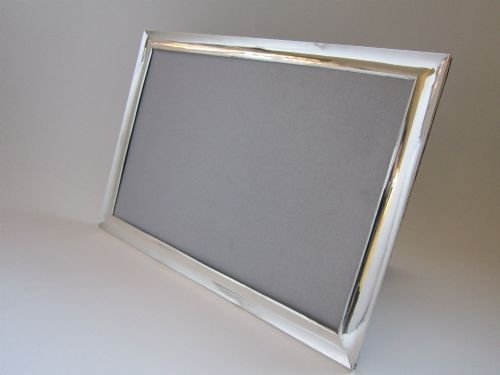
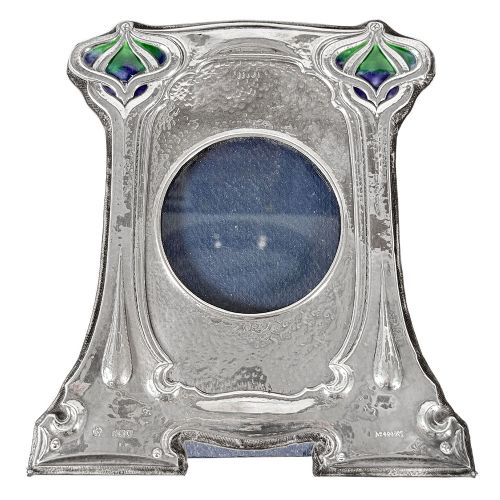
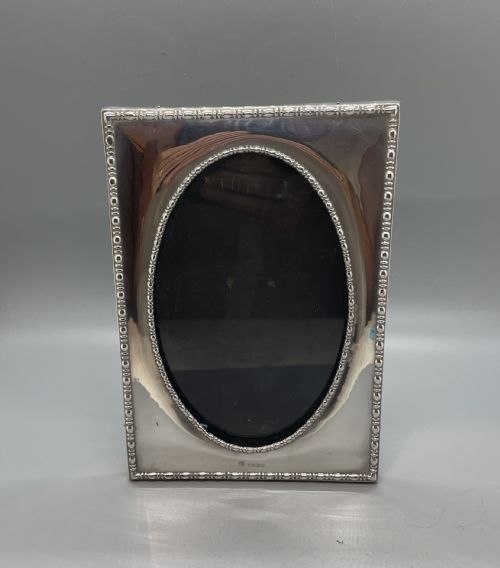
Antique Portrait Photo
These antique portrait photo pieces bring domestic history to life through sterling silver frames, watercolour miniatures, and early photographic prints.
Antique Portrait Photo
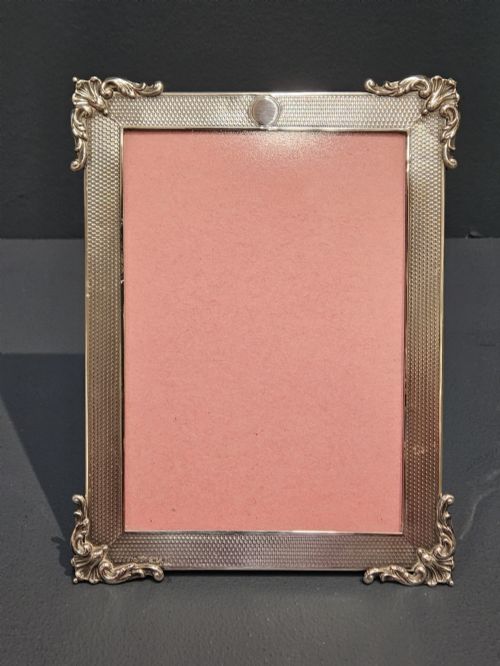
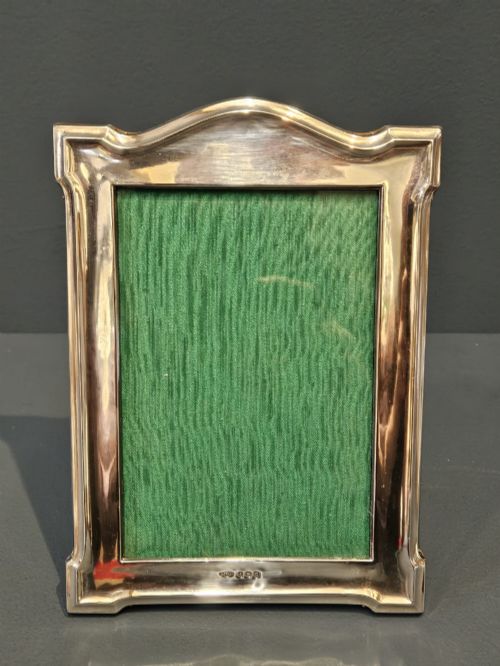
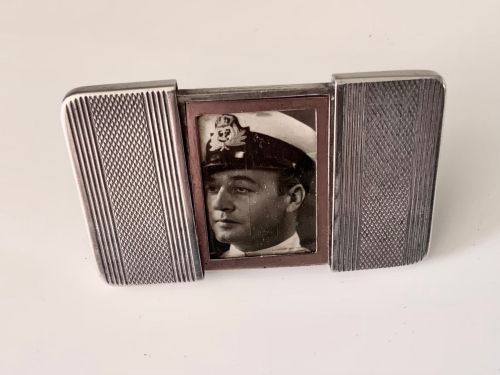
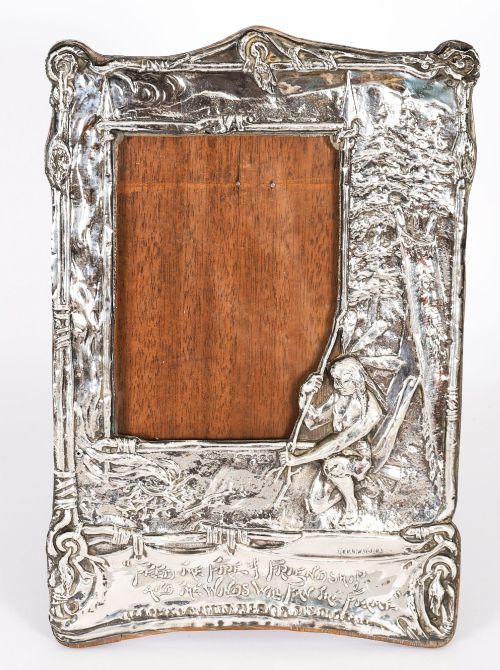
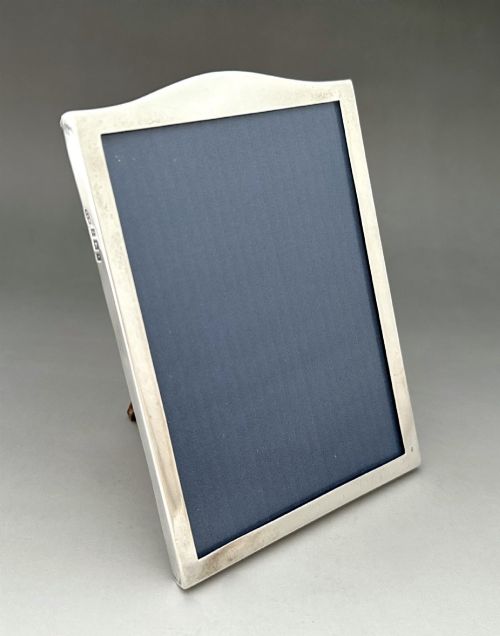
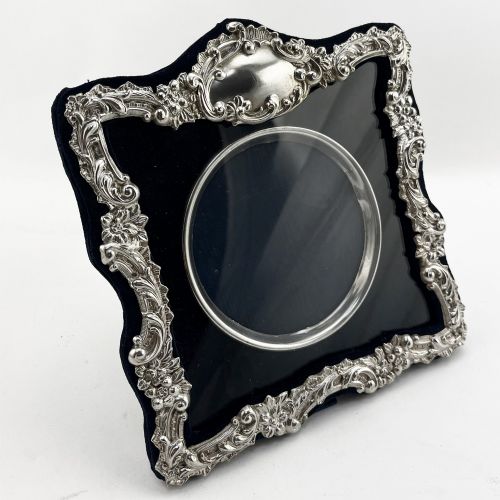
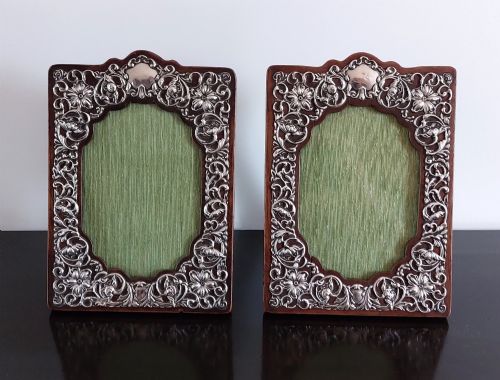
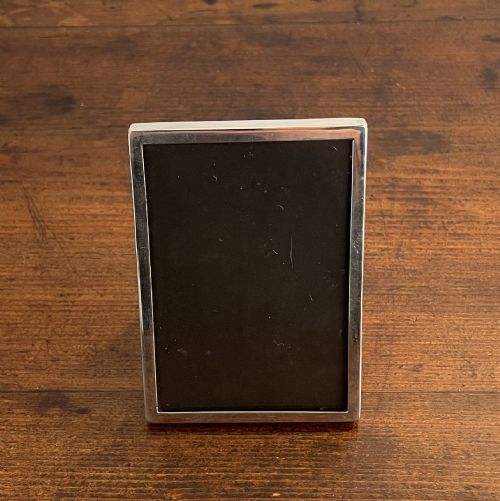
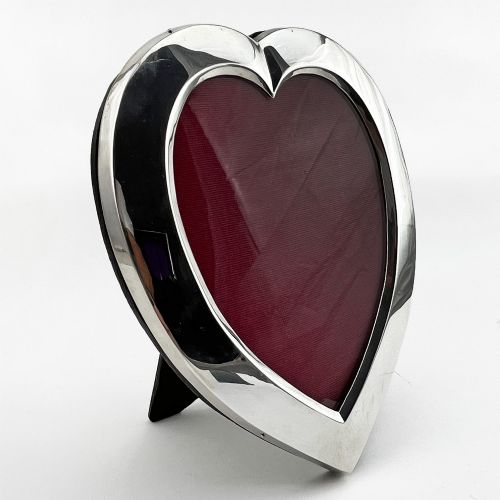
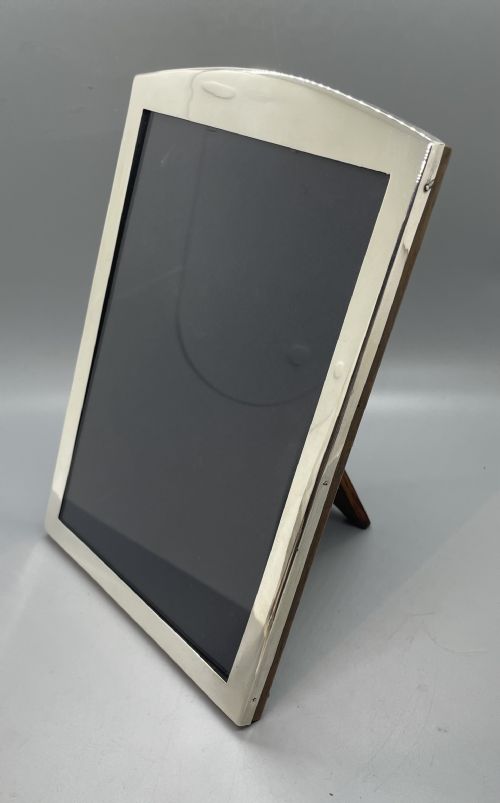
An antique portrait photo selection spans picture frames, photograph frames, framed photography, and portrait miniatures. These items capture likenesses from the nineteenth and twentieth centuries, recorded on paper, glass, and fabric.
The most common items met on this page are silver photo frames from the Edwardian and George V periods, often hallmarked in Birmingham or Sheffield. Alongside these metal surrounds appear watercolour portrait miniatures and framed monochrome prints.
How they were made
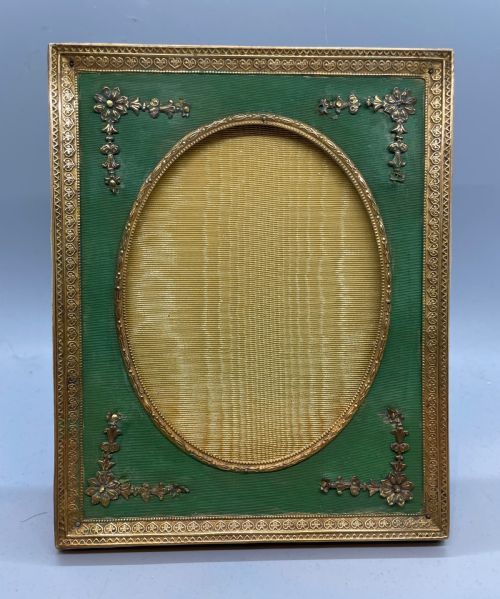
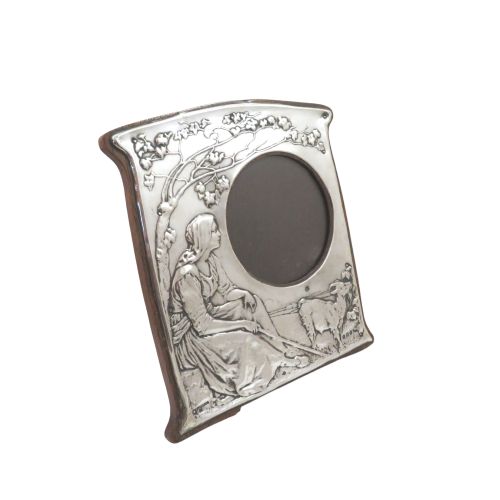
Sterling silver and ormolu form the metal housings, shaped with embossed decoration, engine-turned patterns, and enamel details. Wood and giltwood provide the structural backing or decorative borders for picture frames.
Paper carries the photographic images and watercolours, protected beneath glass panels. Velvet and fabric line the interior backs and easel struts that support the frames on surfaces.
Antique Portrait Photo Retail Price Guide 2026
Typical asking prices for portrait photo among the pieces listed under this phrase on Sellingantiques today, from the lower quarter to the upper quarter. They describe what is for sale here now, not the wider market.
Listings span periods from the nineteenth century through the 1960s, with a strong concentration of Edwardian and George V silver frames.
What varies in quality
The distinction between tiers rests upon the complexity of design and the crispness of ornamentation. Pieces featuring hand-applied enamel, figural motifs like angels or butterflies, and distinct maker marks stand apart from plain domestic items.
Materials also dictate the grade, with heavy gauge sterling silver and well-preserved giltwood mounts representing finer craftsmanship than lighter alloys or simpler wooden structures.
William Comyns·William Hutton and sons·W.I.Broadway and Co·Julian Mandel
The Antique Portrait Photo Glossary
- Sterling silver
- A silver alloy containing 92.5 percent pure silver by mass, widely utilised for Edwardian and George V photo frames.
- Portrait miniature
- A small, highly detailed painting on paper or ivory, represented here by watercolour examples from the nineteenth century.
- Engine-turned
- A decorative technique involving precise geometric patterns mechanically engraved into metal surfaces.
- Locket pendant
- A small hinged case worn on a chain, designed to hold a tiny photograph or lock of hair.
- Ormolu
- Gilded bronze or brass ornamentation applied to furniture and decorative objects during the Edwardian period.
Antique Portrait Photo: Frequently Asked Questions
How do I date a silver photo frame?
Silver frames often carry full hallmarks stamped directly onto the border or easel back. These assay office marks, date letters, and maker initials pinpoint the exact year of manufacture.
Stylistic cues also help narrow down the decade. Art Nouveau frames display flowing organic lines, whilst George V examples favour clean geometric borders.
What is the difference between a picture frame and a photo frame?
Picture frames were traditionally constructed to house painted artworks or prints on paper. They frequently utilise giltwood, wood, or ornate metals without the hinged easel backs typically found on photograph holders.
Photo frames emerged in greater numbers as commercial photography expanded. These incorporate glass viewing windows and rear supports designed for tabletop display.
How were portrait miniatures displayed?
Early portrait miniatures were painted on delicate surfaces like paper or card and meant to be held in the hand or worn close to the body. Some double as locket pendants designed for chains.
Over time, smaller painted portraits were also housed in fitted desk frames or small hanging surrounds. They preserved personal likenesses before the widespread adoption of photography.
Can I change the photograph inside an antique frame?
Most antique photo frames feature a removable wooden or velvet-backed panel secured by small turn-pins or sliding clips. Opening this rear section allows access to the interior glass and old backing card.
Care must be taken with delicate Edwardian or Victorian silver hinges and struts when handling the back. Retaining the original portrait paper alongside the frame preserves its historical context.