




Antique Portrait on Ivory
An antique portrait on ivory is a delicate miniature painting capturing a historical likeness, prized for its exquisite detail and intimate scale.
Antique Portrait on Ivory
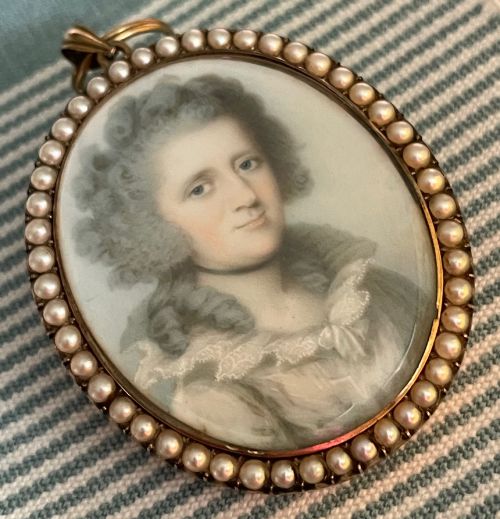
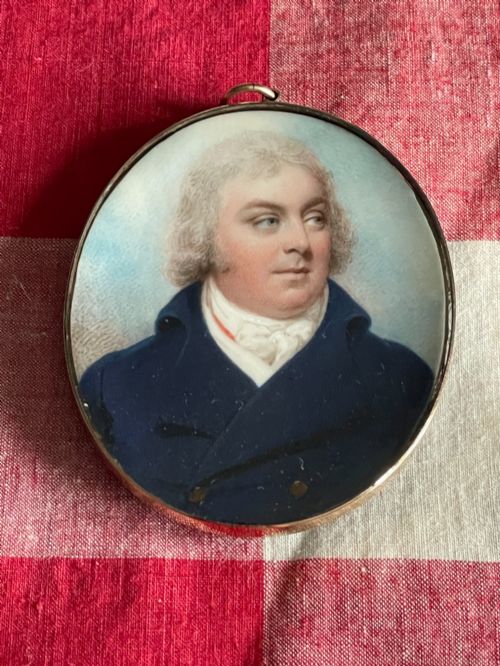
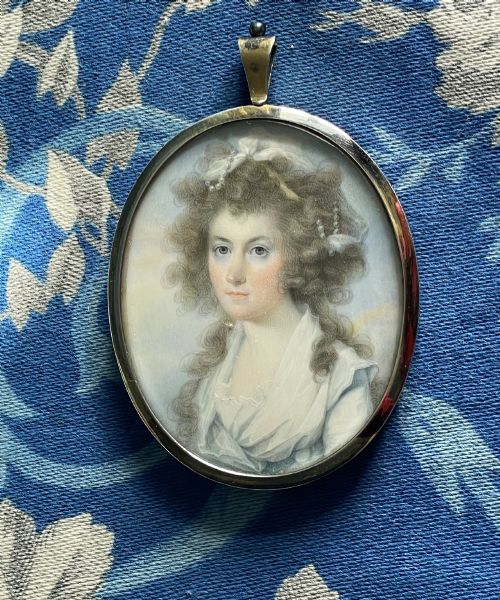
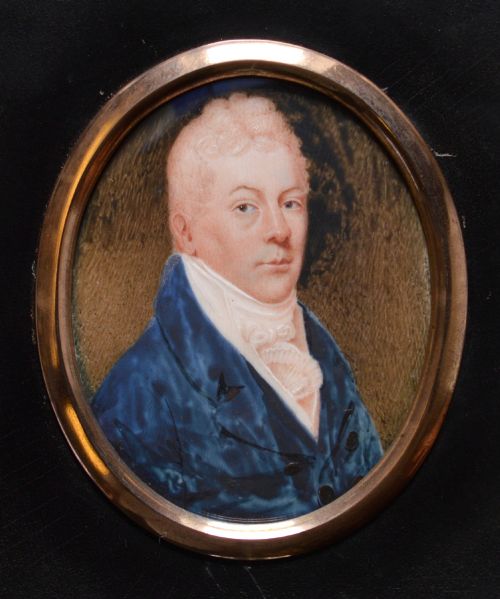
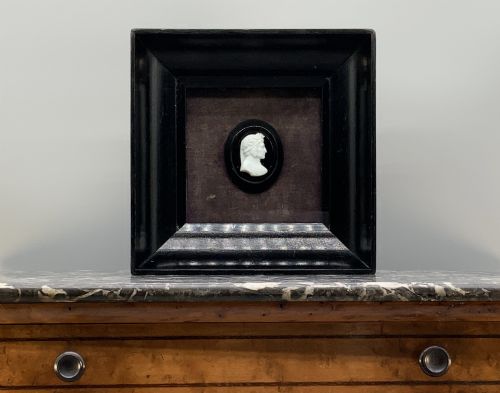
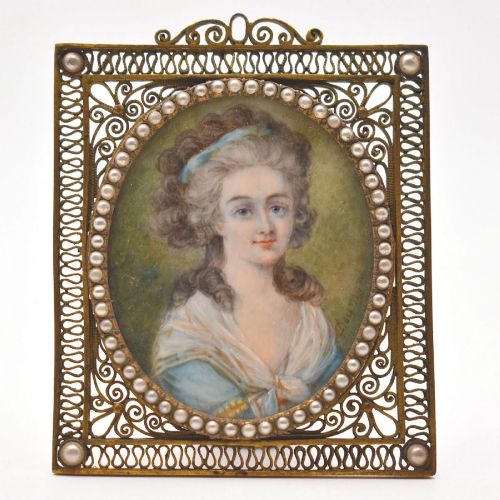
An antique portrait on ivory is a small painted likeness executed on a thin slice of animal substrate, most commonly encountered from the Georgian and Regency periods. These portable works include framed wall art, pendants, and miniature paintings, capturing subjects ranging from anonymous young ladies in white dresses to identified noblemen.
The objects span from the seventeenth century through to the nineteenth century, reflecting stylistic shifts from Baroque severity to Neoclassical and French Rococo elegance. Buyers frequently encounter examples housed in ebonised wood frames, gilt metal, or fourteen-carat gold, often retaining their original convex glass.
While many pieces originate from British and Irish workshops, international examples such as German school panels or Indian gouache works also appear. These miniatures served as tokens of affection, memorials, or records of the Grand Tour, preserved through generations for their remarkable intimacy.
Materials and technique
The foundation of each work is a fine sliver of ivory, prepared to receive delicate watercolours or gouache applied with microscopic precision. Artists exploited the natural luminosity of the ivory substrate to impart a lifelike glow to skin tones and fabric highlights.
Protection and display relied on bespoke framing utilising gold, brass, and gilt metal, frequently backed with ebonised wood. Glazing with convex glass protected the fragile water-soluble pigments from moisture and handling.
Antique Portrait on Ivory Retail Price Guide 2026
Typical asking prices for portrait on ivory among the pieces listed under this phrase on Sellingantiques today, from the lower quarter to the upper quarter. They describe what is for sale here now, not the wider market.
Lord Chancellor John Scott makes an appearance in the archive, carved solidly as an ivory portrait bust.
Distinctions in quality
Quality rests upon the draughtsmanship and the artist's ability to render facial expression and anatomy on a minuscule scale. Superior works display confident brushwork in the depiction of hair, lace, and eyes, whereas lesser examples remain stiff and formulaic.
The setting contributes heavily to overall merit, with heavy gold pendants and seed-pearl embellishments indicating high-status commissions. Original protective glass and untouched backings preserve the integrity of the piece far better than later replacement mounts.
Charles Hayter·Frederick Buck·George Engleheart·Archibald Skirving·William Grimaldi·Henry Jacob Burch·Edward Pugh·Samuel Cotes·Jeremiah Steele
The Antique Portrait on Ivory Glossary
- Portrait Miniature
- A small-scale painting, typically executed in watercolour on ivory, designed to be held in the hand or worn upon the person.
- Gouache
- An opaque water-based paint utilised alongside transparent watercolour to build dense colour and highlights on the ivory surface.
- Ebonised Wood
- Timber treated with a dark stain to simulate ebony, frequently chosen for nineteenth-century miniature frames to contrast with gilt bezels.
- Convex Glass
- Curved protective glazing used historically over miniature portraits to prevent the glass from resting directly against the delicate painted surface.
Antique Portrait on Ivory: Frequently Asked Questions
How were portrait miniatures worn?
These small works were frequently mounted as pendants or set into brooches to be worn close to the heart during times of separation or mourning.
Others were kept inside fitted leather cases or displayed upon parlour walls amongst collections of family likenesses.
How do I identify a Georgian miniature?
Georgian examples often feature softer watercolour palettes, delicate neoclassical clothing styles, and gold pendant mountings characteristic of the late eighteenth and early nineteenth centuries.
Examining the reverse frequently reveals braided hair memorials or polished lockets designed to hold personal mementos.
Why is ivory used as a ground?
Artists utilised thin slices of ivory because the translucent material mimics the natural warmth and luminosity of human skin.
When light passes through the paint layers and reflects off the white substrate beneath, it creates a unique glowing depth unattainable on paper.
How should I display miniatures at home?
Miniatures require protection from direct sunlight to prevent the watercolour pigments from fading over time.
Keep them in stable room environments away from excessive moisture, hanging them securely on interior walls or displaying them within dedicated cabinets.