



Antique Portrait of Madonna
An antique portrait of madonna brings centuries of sacred devotion and masterly oil painting into a room through historic depictions of the Virgin Mary.
Antique Portrait of Madonna
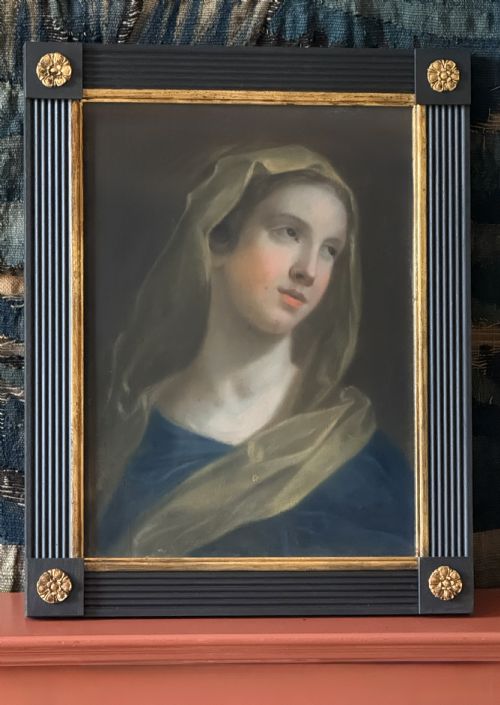
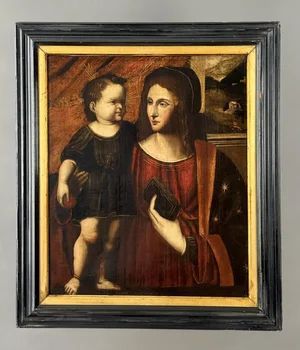
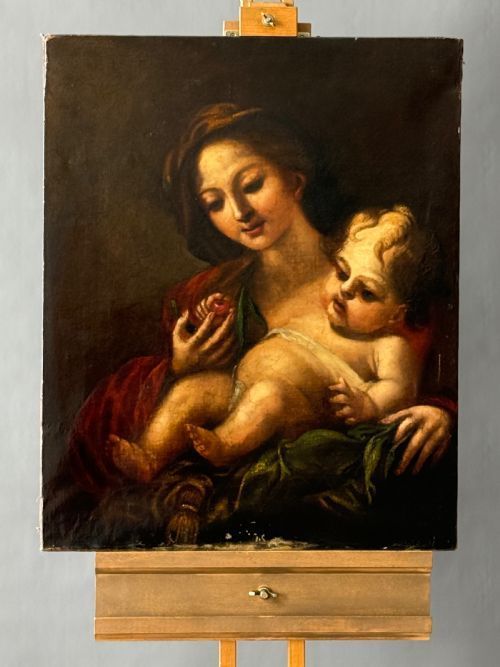
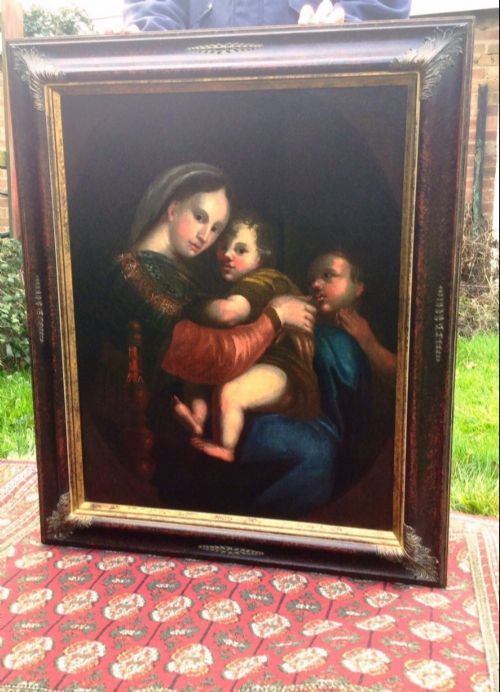
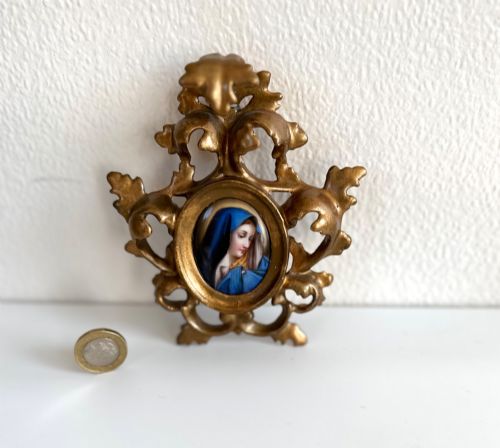
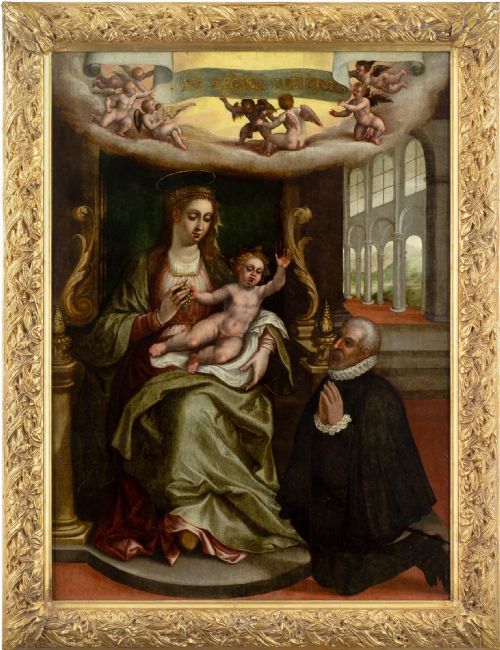
An antique portrait of madonna encompasses centuries of religious artwork, spanning from the sixteenth century through the Edwardian era. Buyers encounter large Italian old master canvases, intimate fruitwood panels, miniature watercolours, and silver enamel brooches.
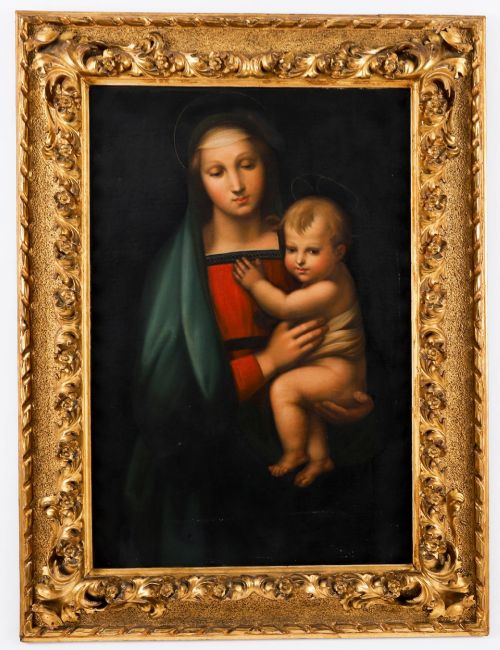
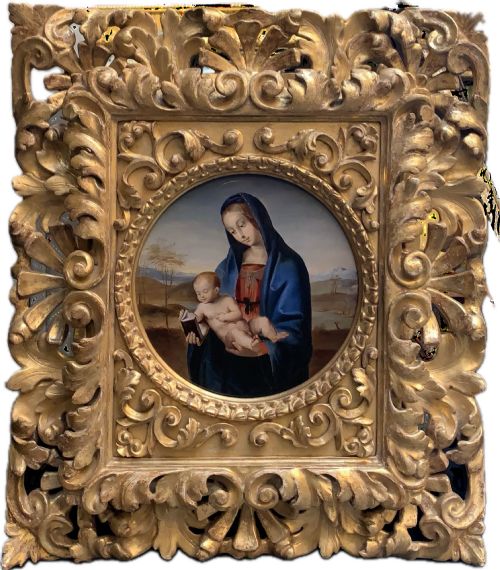
The subjects frequently depict the Virgin and Child, the Holy Family, or solitary representations of Mary. Many works follow renowned compositions by masters such as Raphael, Correggio, and Murillo, created by later followers or studio workshops.
Italian and Spanish schools predominate amongst the paintings, alongside Victorian miniatures and Edwardian jewellery pieces. These works reflect both grand ecclesiastical traditions and private domestic devotion across different European regions.
Materials and Techniques
Oil paint applied to stretched canvas or wooden panels forms the primary medium for these historical portraits. Fruitwood panels and traditional gesso preparation provide stable foundations for earlier works.
Giltwood frames often accompany the paintings, complementing the rich pigments and gold leaf details found in Renaissance and Baroque compositions. Miniature portraits utilise delicate enamel work on silver or porcelain surfaces.
Antique Portrait of Madonna Retail Price Guide 2026
Typical asking prices for portrait of madonna among the pieces listed under this phrase on Sellingantiques today, from the lower quarter to the upper quarter. They describe what is for sale here now, not the wider market.
Canvas and wood are the predominant supports, frequently paired with elaborately carved giltwood frames.
Distinctions in Quality
The refinement of brushwork and the subtlety of facial expression separate masterly studio productions from simpler decorative copies. Hand-rendered details in drapery and the naturalism of the figures indicate the skill of the artist.
The preservation of the original paint surface and the integrity of the wood panel or canvas influence the standing of a piece. Works retaining their period frames demonstrate greater historical completeness.
Benedetto Luti·Bernardino Luini·Benvenuto Tisi·Francesco Solimena·Antonio Allegri·Pompeo Batoni·Ambrious Benson·Bartolomé Murillo·Andrea del Sarto·Sassoferrato
The Antique Portrait of Madonna Glossary
- Old Master
- A European artist of high skill who worked before the nineteenth century. These painters established stylistic traditions that later workshops emulated.
- Gesso
- A plaster mixture applied as a smooth base on wood panels before painting. This preparation creates a firm surface for fine oil pigments.
- Fruitwood
- Dense timber derived from fruit-bearing trees such as pear or apple. Artisans utilised this stable wood for small panel paintings.
- Giltwood
- Timber carved and coated with a thin layer of gold leaf. This material frames sacred artworks to enhance their visual splendour.
Antique Portrait of Madonna: Frequently Asked Questions
How do I date an antique madonna painting?
Dating relies upon examining the materials, canvas preparation, and stylistic characteristics of the brushwork. Pigments and stretcher construction also offer clues to the period of creation.
Comparative analysis with known works by followers or workshops helps narrow the timeframe of execution.
What is the difference between an original and an after- Raphael work?
Original compositions stem directly from an artist's invention, whereas works after Raphael are later interpretations of his famous designs. Studio painters and followers frequently copied his popular madonna imagery.
These subsequent paintings allowed collectors to own representations of celebrated Renaissance masterpieces.
Where should I hang a religious oil painting?
These works require placement away from direct sunlight and excessive humidity to protect the oil paint and canvas. Stable indoor environments preserve the integrity of both the painting and its frame.
Displaying them at eye level in calm spaces allows proper appreciation of their devotional detail.
Are all these portraits painted on canvas?
Canvas serves as the most frequent support, but historic examples also utilise wood panels, porcelain plaques, and enamel. Fruitwood panels are particularly typical of smaller sixteenth and seventeenth century works.
Jewellery and miniature formats incorporate metals and precious gemstones alongside painted surfaces.