

Antique Portrait Holder
An antique portrait holder is a small display piece designed to preserve a likeness, and collectors seek these items for their fine silver and brass craftsmanship.
Antique Portrait Holder
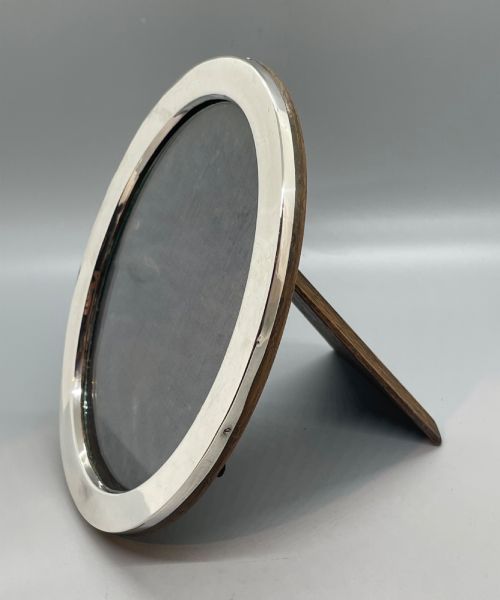
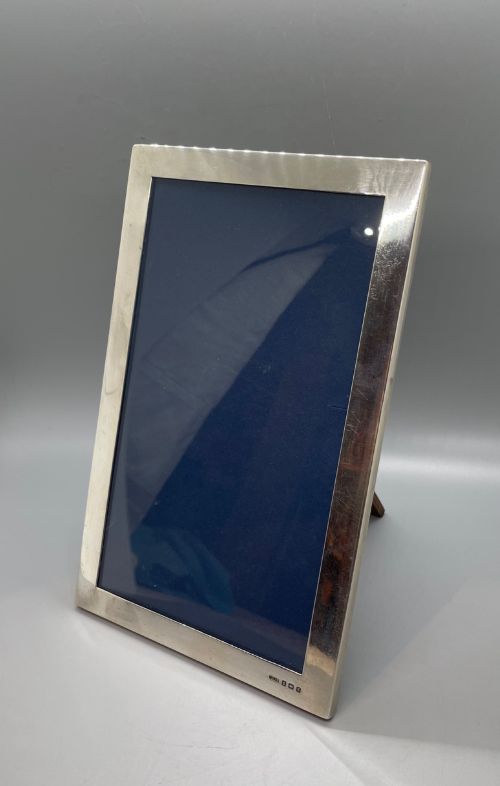
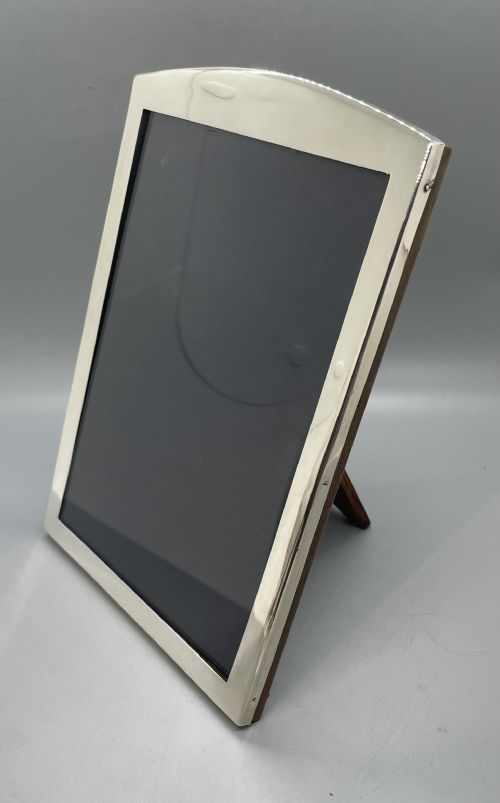
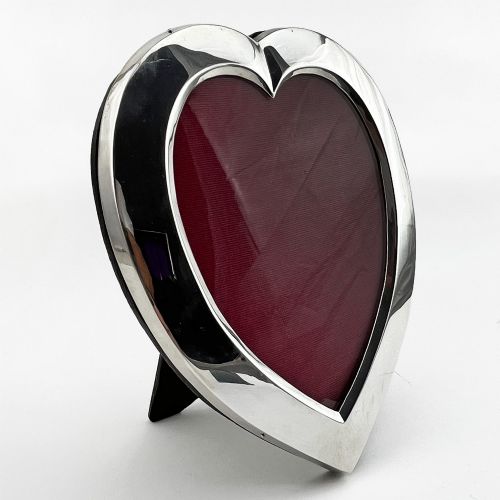
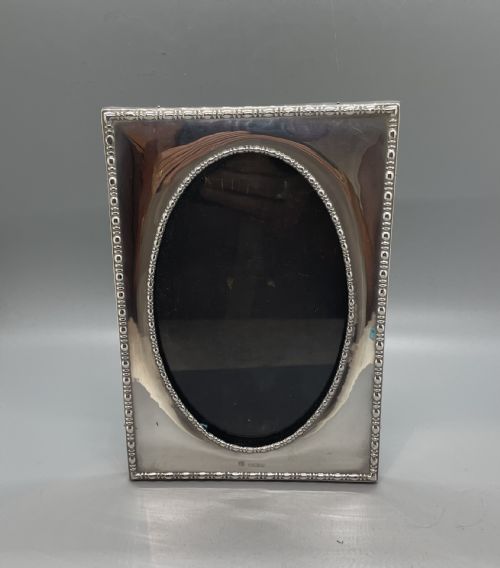
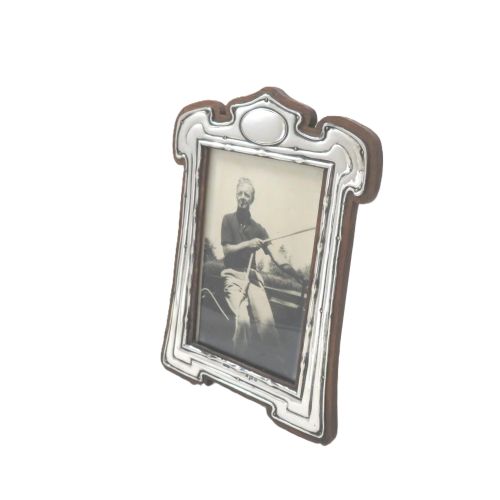
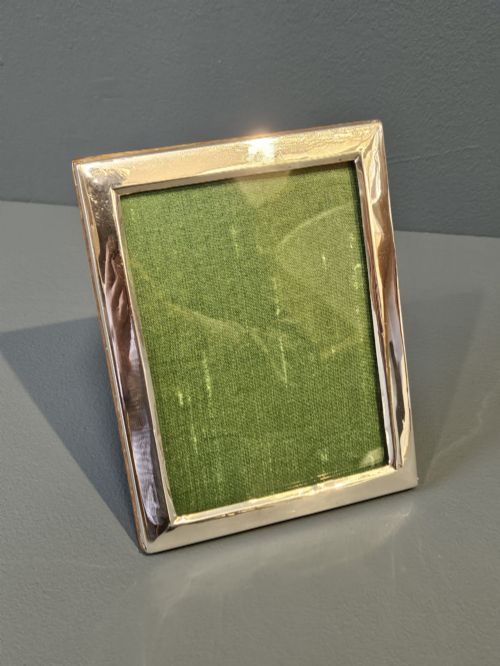
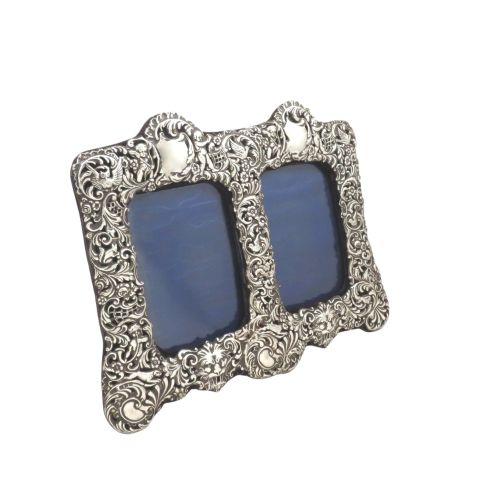
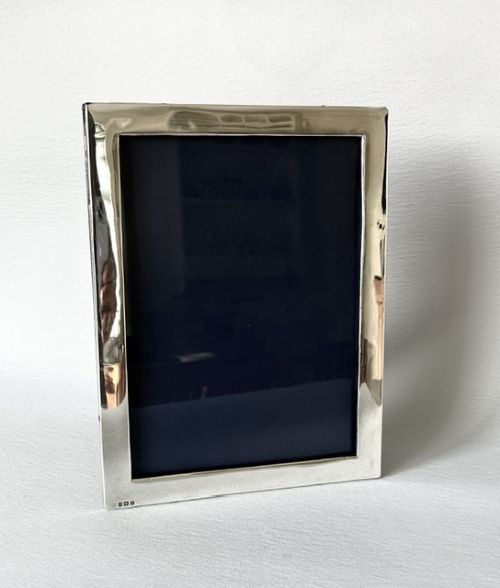
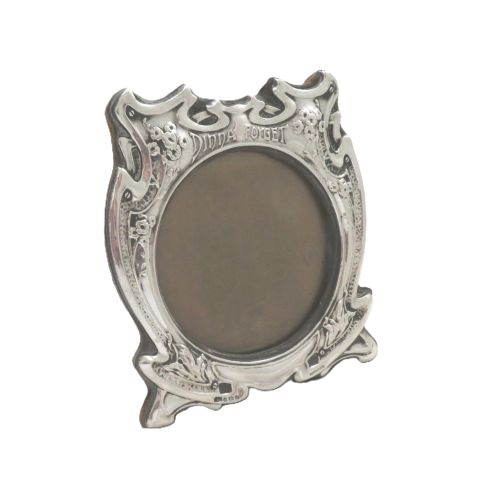
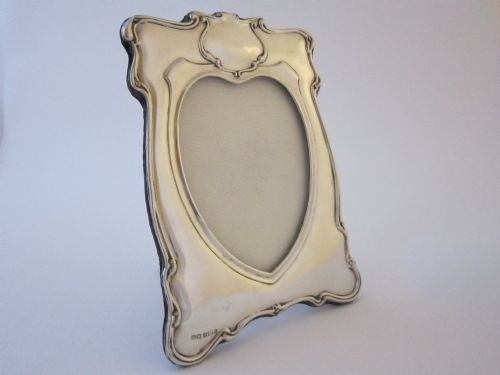
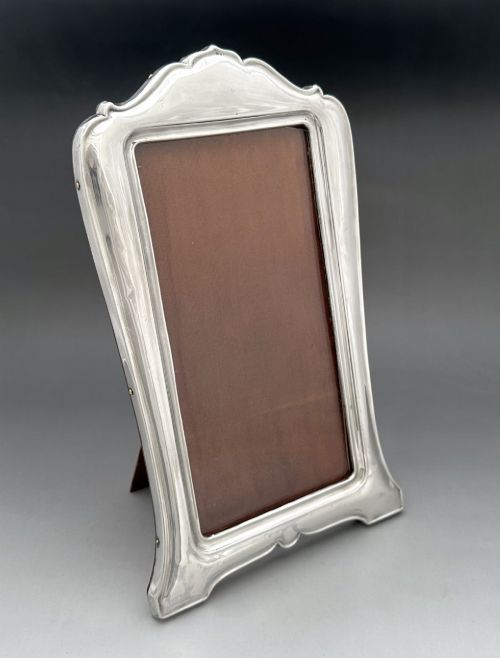
An antique portrait holder typically takes the form of a photograph frame, picture frame, or pendant locket designed to display or contain a personal likeness. The versions most commonly met on this page are sterling silver frames from the Edwardian and George V periods, featuring hallmarks from assay offices such as Birmingham and Chester.
Beyond standard tabletop frames, the category encompasses specialised items like carte de visite table top display boxes and miniature gold glass lockets. These pieces originate from the late nineteenth century through to the Art Deco era, reflecting the domestic habits of Victorian and Edwardian households.
How they were made
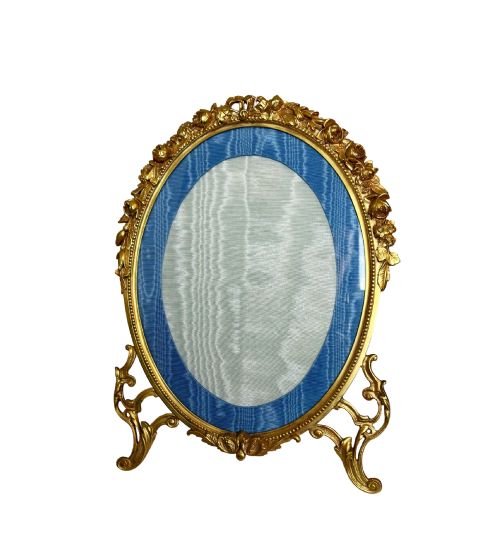
Makers utilised sterling silver, brass, and gilt bronze, often shaping the metal through embossing, engine-turning, and planishing techniques. Frames frequently incorporated wooden backs with velvet or fabric linings, supported by standing easels.
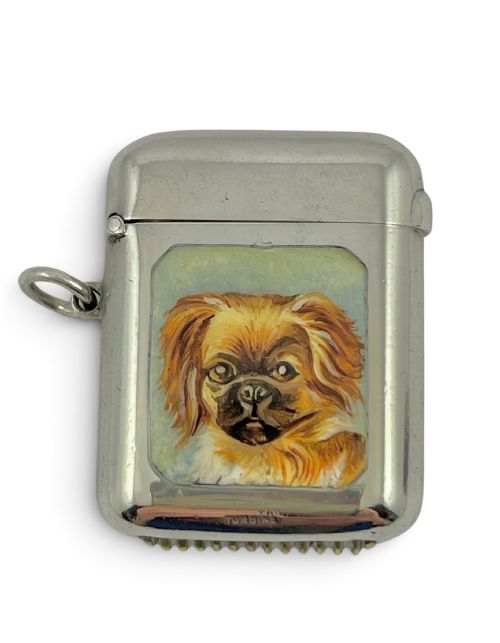
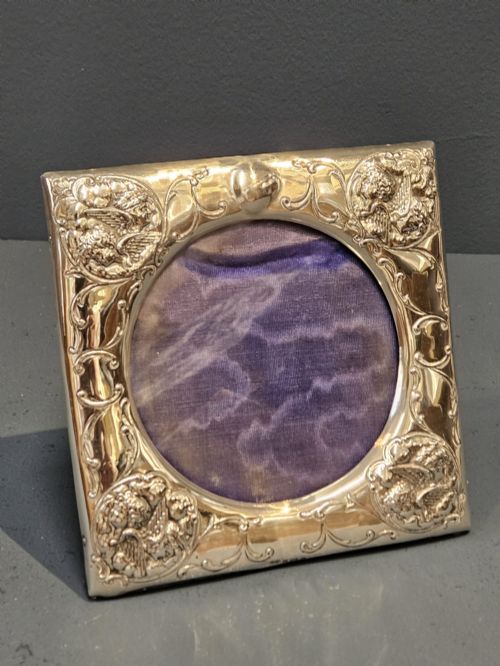
Pendants and smaller items combined faceted glass with eighteen-carat yellow gold or nickel-plated brass. Silver smiths applied decorative elements such as cast cherub motifs, like the Reynolds Angels, or hand-painted enamel details directly onto the metal surface.
What varies in quality
The standard of design and metalwork dictates the distinction between ordinary production and finer examples. Pieces bearing the marks of known makers or specific aesthetic movements, such as Art Nouveau whiplash lines or Art Deco geometric forms, demonstrate superior artistry.
The depth and crispness of the embossed decoration or engine-turned patterns reveal the skill involved in the manufacturing process. Heavier gauge silver and intact original backing materials also distinguish the more substantial pieces in this category.
William Comyns·Syner & Beddoes·Henry Matthews·Hardy Brothers·Deakin & Francis
The Antique Portrait Holder Glossary
- Hallmark
- Official marks stamped on precious metals indicating the purity, assay office, and year of manufacture. These small symbols allow collectors to date items accurately.
- Vesta case
- A small pocket box originally designed to hold matches. Many surviving examples feature novelty shapes or portrait enamel work.
- Engine-turned
- A decorative technique involving precise geometric patterns mechanically engraved into a metal surface. This finish adds texture and catches the light.
- Planished
- A metalworking finish achieved by hammering the surface with a round-faced tool to create subtle, uniform facets. It is a common feature on Art Nouveau silver.
- Carte de visite
- An early type of small photographic portrait popular in the nineteenth century. Display boxes were specifically built to house these prints.
Antique Portrait Holder: Frequently Asked Questions
What is an antique portrait holder?
An antique portrait holder is a decorative frame, locket, or display box designed to hold and exhibit a photograph or miniature painting. These items were produced primarily in silver, brass, and gold during the Victorian, Edwardian, and Art Deco periods.
Most examples function as tabletop accessories with easel backs, though smaller pocket versions and pendants also exist. They served as personal mementoes in homes of the late nineteenth and early twentieth centuries.
How do I date a silver portrait frame?
Dating a silver frame relies heavily on the assay office hallmarks stamped into the metal. These tiny marks include a date letter corresponding to the specific year the piece was tested and marked.
Style provides an additional indicator, as pieces reflect distinct design movements such as the flowing lines of Art Nouveau or the clean geometries of Art Deco. Comparing the maker's mark against historical records further confirms the period of production.
What materials were used for these frames?
Sterling silver is the most frequently encountered material in these listings, alongside brass, gilt bronze, and nickel-plated metal. Backings were constructed from wood and covered in velvet, silk, or other fabrics.
Specialised pieces like lockets incorporated faceted glass and gold. Decorative finishes range from plain polished borders to heavy embossed designs and hand-painted enamel.