

Antique Portrait Head
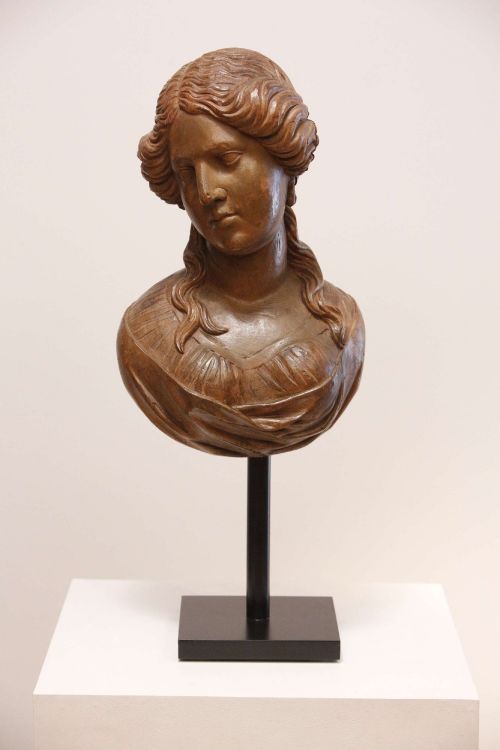
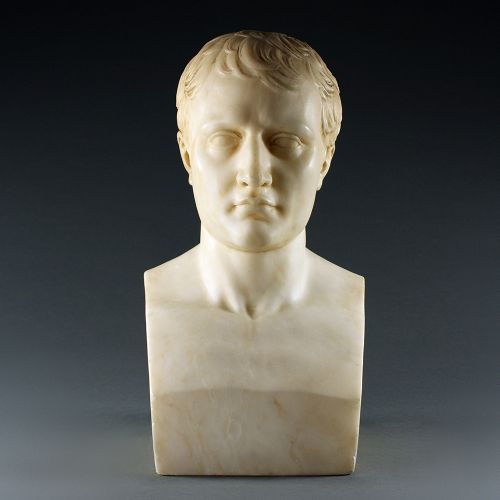
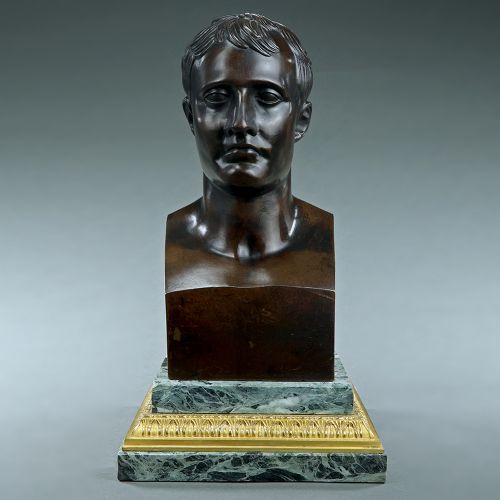
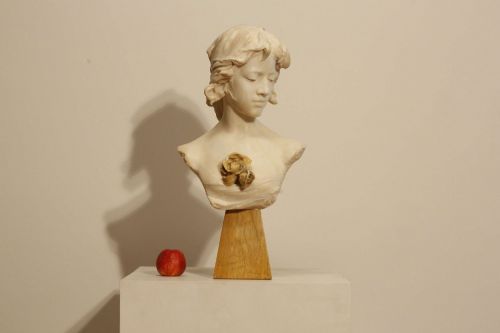
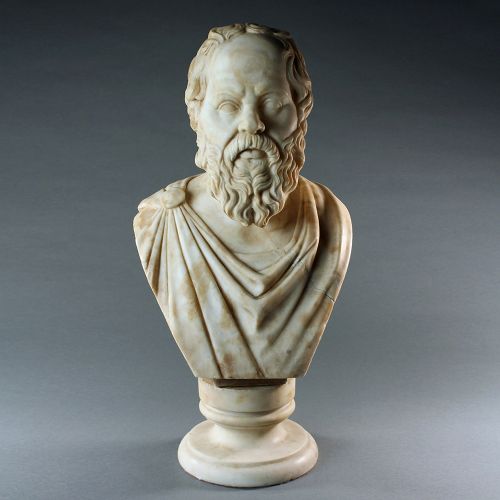
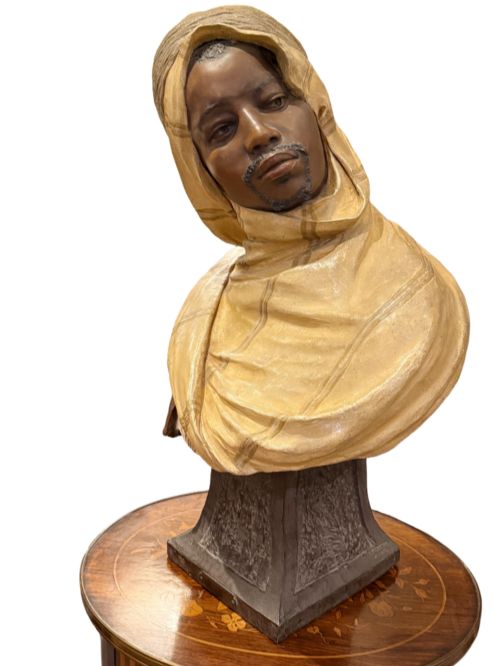
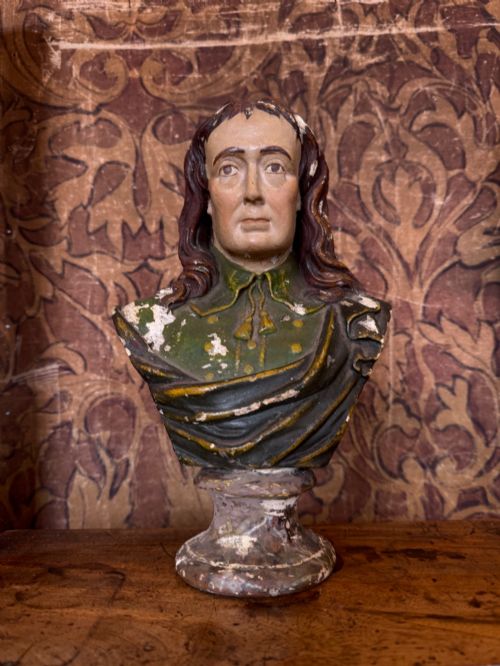
An antique portrait head captures character in marble, bronze, or plaster, bringing historical presence into a room.
Antique Portrait Head
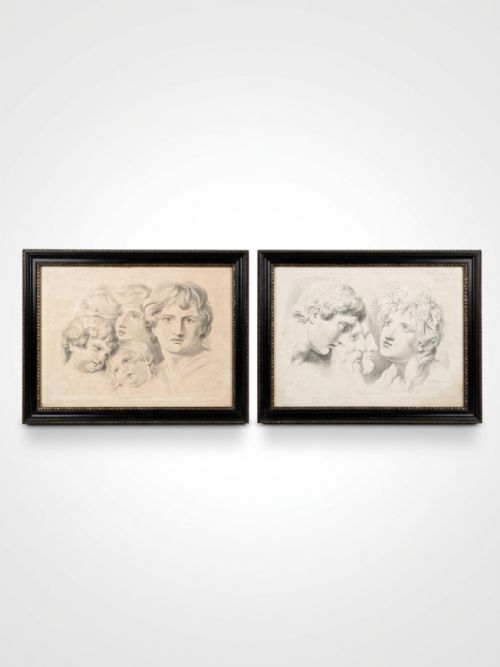
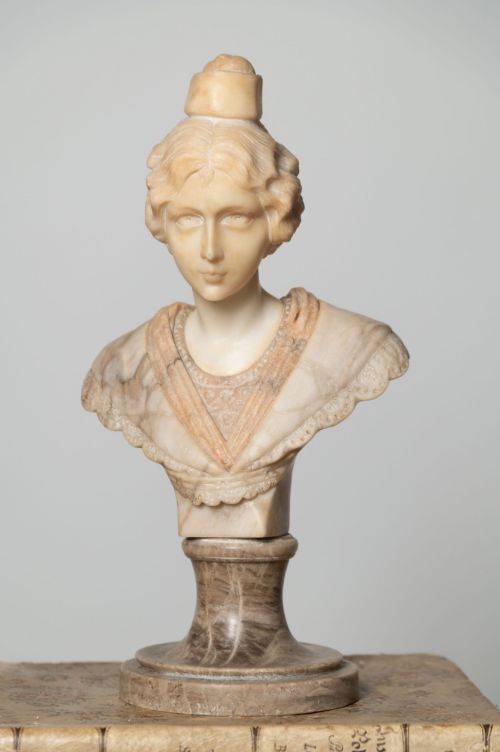
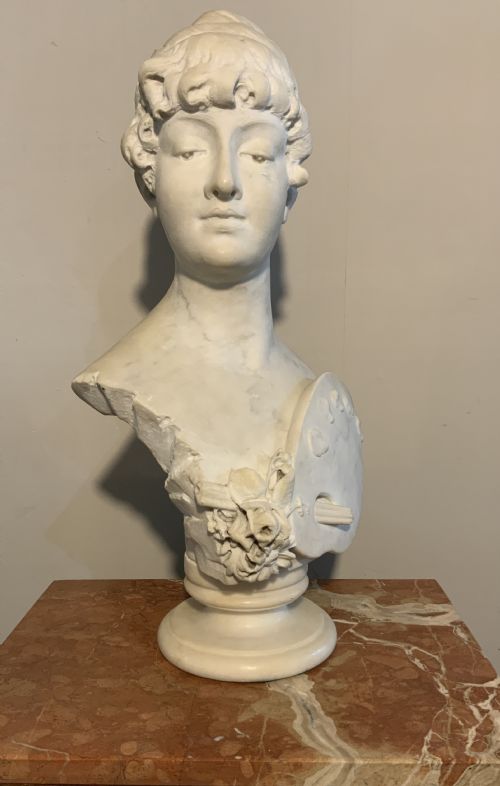
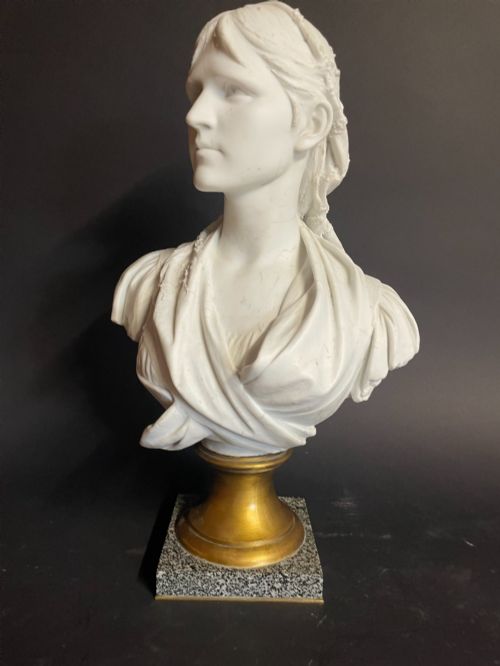
The selections span from the seventeenth century through the Victorian era and into the early twentieth century, taking the form of library busts, Grand Tour souvenirs, and academic studies. Marble and bronze interpretations predominate, often mounted on integrated socles or pedestals.
How They Were Made
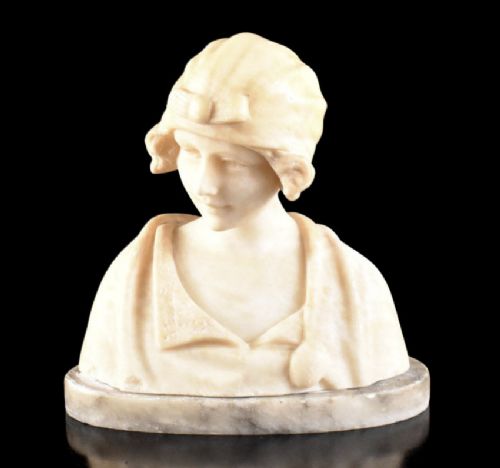
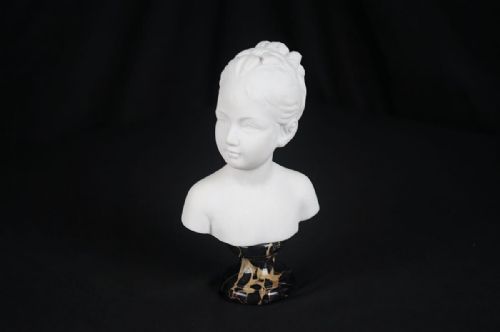
Carved marble and alabaster pieces rely on direct chisel work, smoothing, and polishing by hand to create realistic drapery and flesh tones, sometimes utilising contrasting coloured mineral bases. Cast metals such as bronze and bronzed alloys utilise the lost-wax method or sand casting, followed by chased detailing and applied chemical patination.
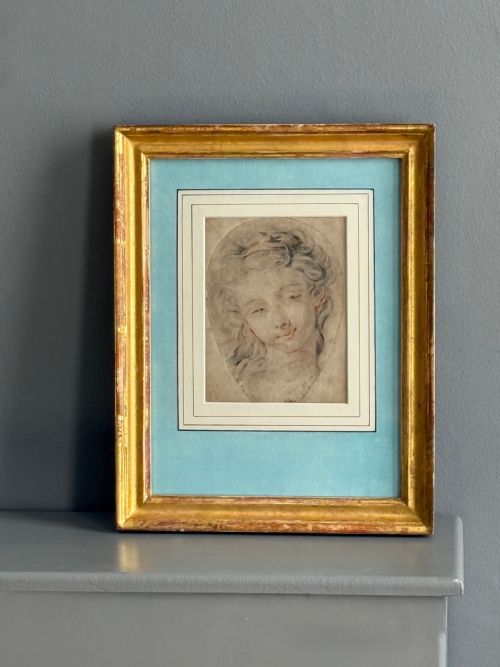
Plaster and terracotta examples emerge from moulds taken from original models, receiving surface finishes of paint, polychrome pigments, or chalk. Paper works incorporate etching, engraving, watercolour, and gouache techniques on rag paper or card.
Antique Portrait Head Retail Price Guide 2026
Typical asking prices for portrait head among the pieces listed under this phrase on Sellingantiques today, from the lower quarter to the upper quarter. They describe what is for sale here now, not the wider market.
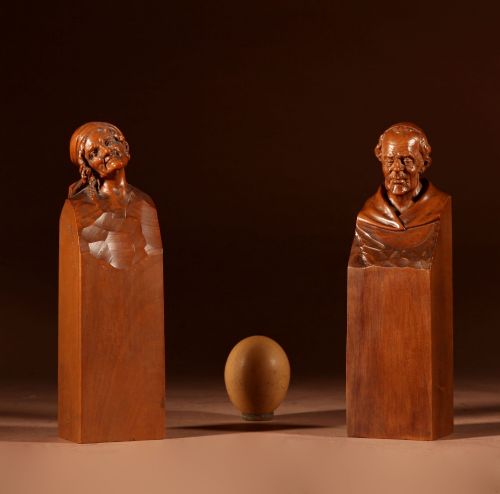
Materials in the current selection include white marble, bronze, alabaster, wood, paper, plaster, and chalk.
What Varies in Quality
The distinction between standard works and master pieces rests upon the anatomical accuracy and psychological depth captured in the expression. Superior carving in stone reveals subtle transitions around the eyes and mouth, whereas lesser examples remain rigid and formulaic.
In cast metals, the crispness of the chasing determines the definition in hair, fabric folds, and facial contours. Workshop signatures, period patination, and the selection of high-grade statuary marble or dense alabaster elevate the standing of a piece.
Eugen Bormel·Goldscheider·Eugene Canneel·Emmanuel Villanis·Raffaelo Monti·George Henry Paulin
The Antique Portrait Head Glossary
- Socle
- A short plinth or pedestal supporting a bust or sculpture. It lifts the portrait head visually and provides structural balance.
- Patina
- The surface sheen and coloration developed on bronze, wood, or marble through age, handling, or chemical treatment. This finish indicates the natural ageing process of the material.
- Terracotta
- Fired unglazed clay of a brownish-red colour used for sculptural models and finished portrait busts. Artists frequently painted these surfaces for realism.
- Grand Tour
- A cultural journey of Europe undertaken by wealthy young men in the eighteenth and nineteenth centuries. Tourists collected small marble busts and bronze copies of classical antiquities.
- Neoclassical
- A style originating in the mid-eighteenth century inspired by the art of classical Greece and Rome. Sculptors prioritized clean lines, restraint, and heroic subject matter.
Antique Portrait Head: Frequently Asked Questions
What materials are used for portrait heads?
Sculptors utilised statuary marble, alabaster, bronze, terracotta, and plaster to create these portrait pieces.
Paper works also appear in the form of engravings, etchings, and watercolours.
How do I identify the period of a bust?
Stylistic clues such as Victorian dress, Neoclassical drapery, or Art Nouveau hair styling help determine the era of execution.
Signatures, foundry marks, and material choices provide further chronological context.
Where should I display a marble bust?
These heavy stone sculptures require sturdy surfaces like heavy sideboards, desks, or dedicated pedestals.
Placement away from direct heat sources protects the stone and any underlying wooden bases.
What is a Grand Tour bust?
Grand Tour pieces were acquired by travellers visiting classical sites in Italy during the nineteenth century.
These reductions of ancient sculptures served as portable mours of classical antiquity.