


Antique Portrait Gouache
An antique portrait gouache offers a direct glimpse into past likenesses, combining opaque pigment with paper to capture remarkably sharp detail and depth.
Antique Portrait Gouache
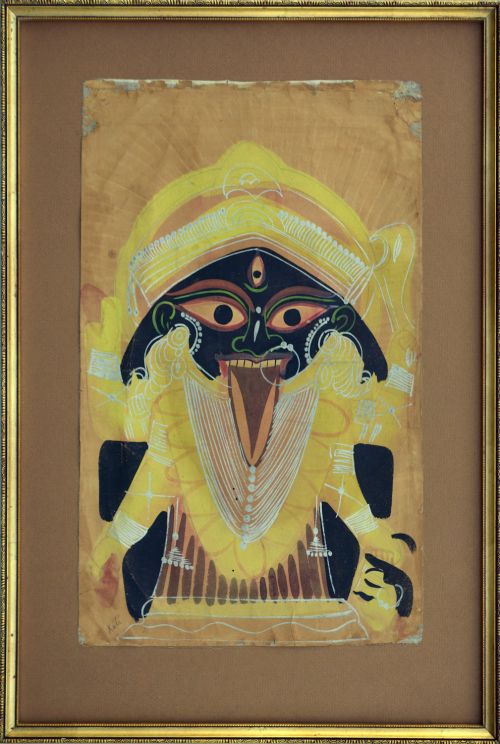
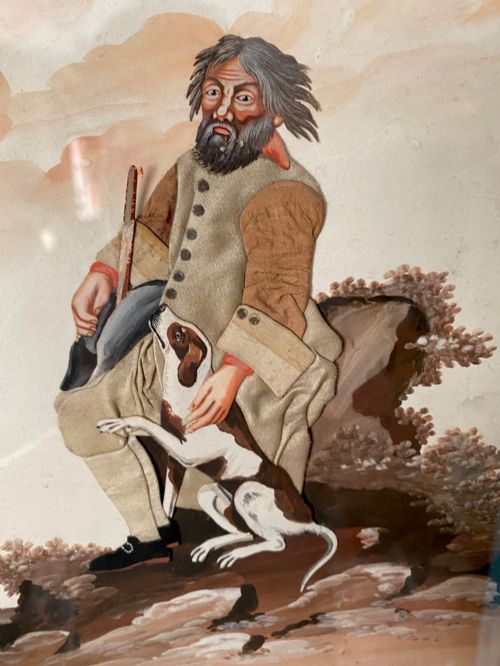
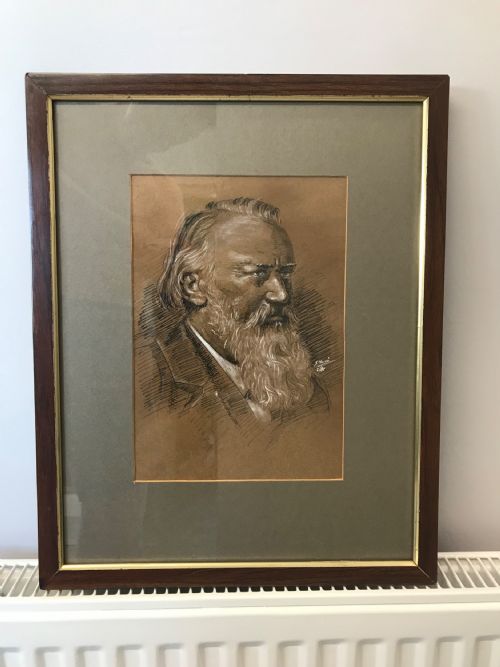
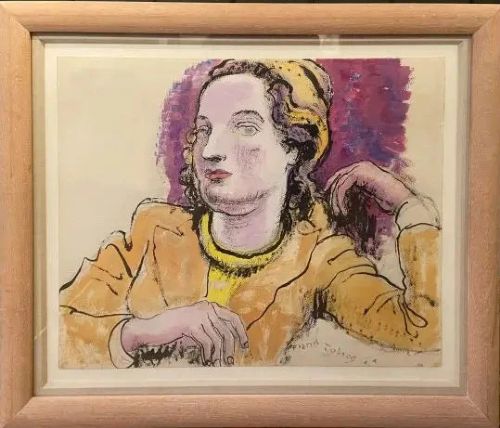
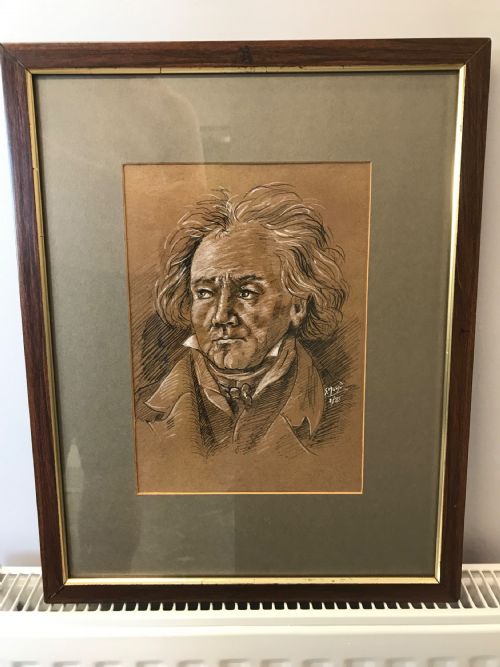
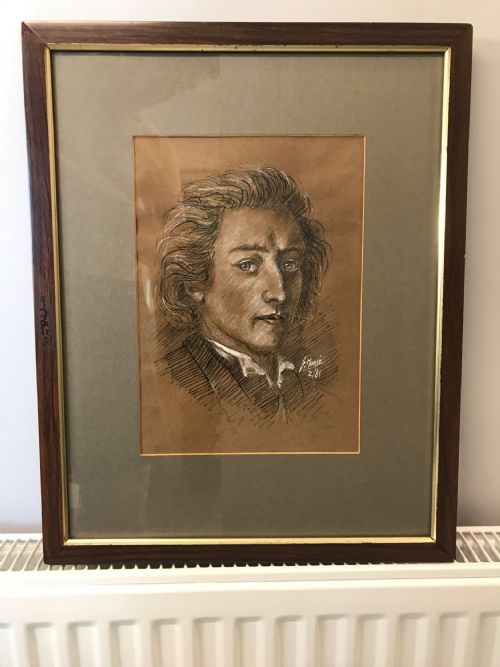
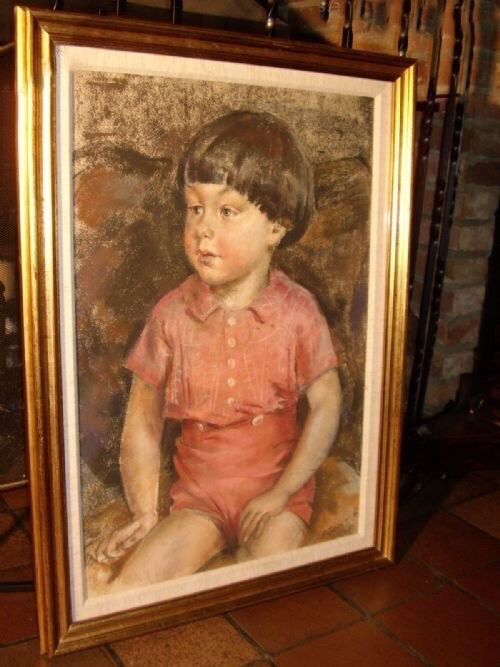
An antique portrait gouache brings together works on paper executed in opaque watercolours, frequently pairing this medium with pencil, ink, or pastel to render detailed likenesses. Buyers seeking an antique portrait gouache will encounter depictions ranging from nineteenth-century sitters and military officers to named composers and figures from Indian schools.
The selection spans various periods from the nineteenth century through the Edwardian era and the nineteen-twenties, alongside later tributes produced past nineteen sixty. Forms include framed drawings, miniature paintings, and wall art housed behind glass in period wood frames.
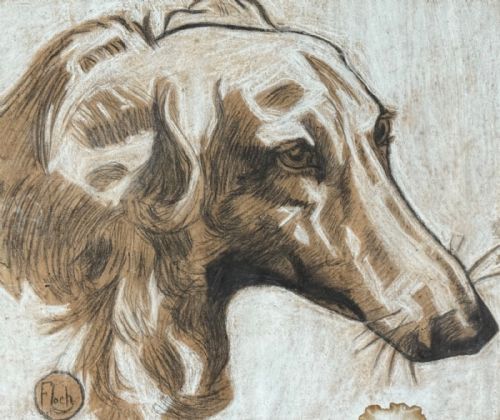
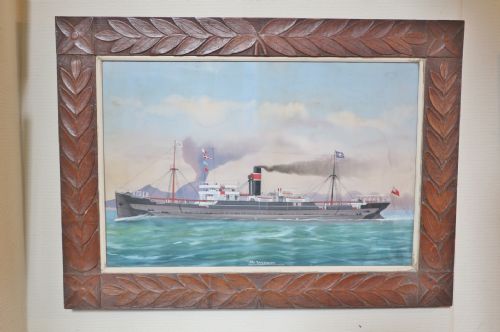
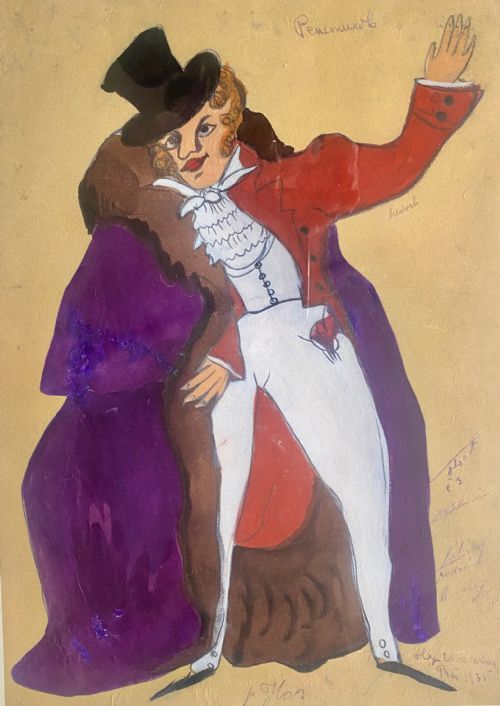
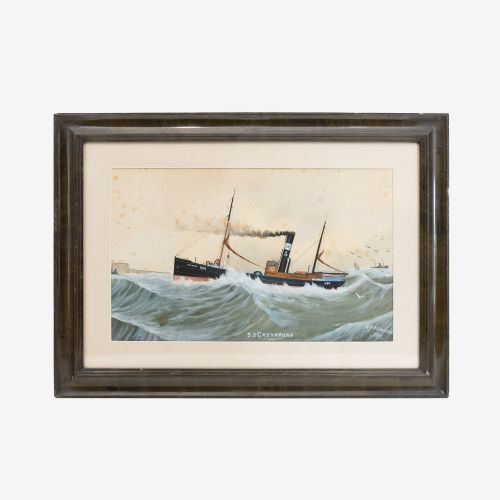
Subjects stretch beyond individual human sitters to encompass maritime scenes, domestic animals, and figural studies set against diverse cultural backdrops. Each piece demonstrates how artists utilised water-based pigments to achieve both fine line work and dense colour saturation.
How they were made
Artists executed an antique portrait gouache by applying water-based colours containing opaque white pigment onto supports such as paper, buff paper, or pith paper. This allowed them to build up solid, matte areas of colour that could be worked over with fine ink, pencil, or watercolour washes.
Framing typically involved wood surrounds fitted with protective glass to shield delicate paper surfaces, pastel chalks, and water-soluble paints from environmental moisture and handling.
Antique Portrait Gouache Retail Price Guide 2026
Typical asking prices for portrait gouache among the pieces listed under this phrase on Sellingantiques today, from the lower quarter to the upper quarter. They describe what is for sale here now, not the wider market.
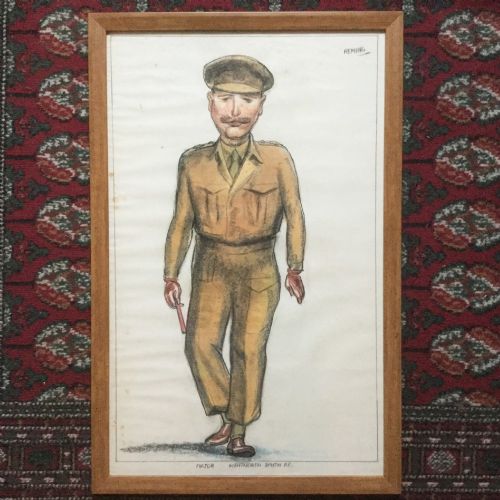
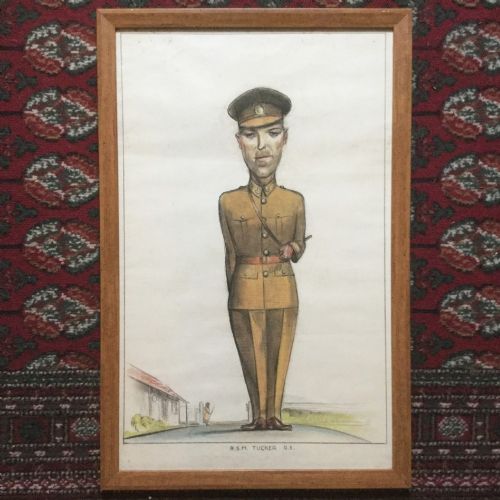
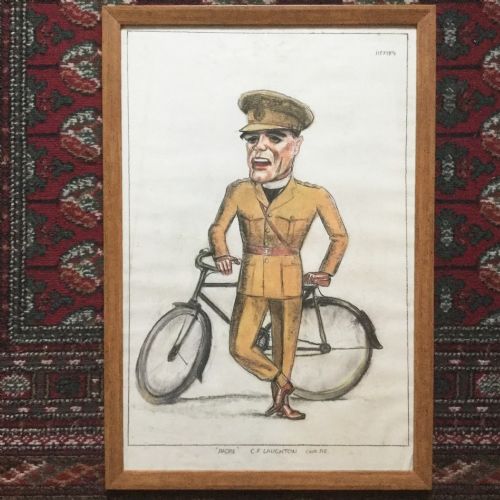
Several wartime sketches record the steady gaze of Royal Engineers officers who presumably paused between duties to have their likenesses captured.
What varies in quality
Quality in an antique portrait gouache depends on the precision of the draughtsmanship and the stability of the medium over time. Finer examples retain crisp ink or pencil underdrawing and vibrant pigment without extensive flaking or fading across the paper support.
The skill of the artist dictates the psychological depth of the sitter's expression and the harmonious balance between delicate watercolour washes and dense gouache highlights.
The Antique Portrait Gouache Glossary
- Gouache
- An opaque water-based paint composed of pigment, water, and a binding agent such as gum, allowing for solid, matte coverage.
- Pith paper
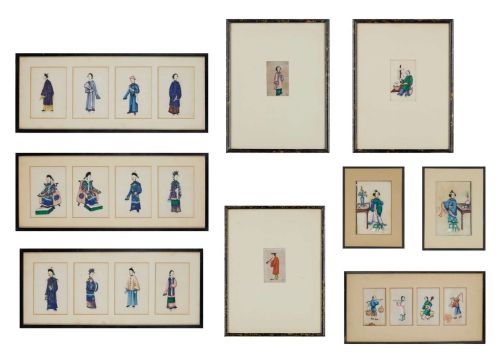
- A delicate organic support derived from the pith of the Tetrapanax papyrifer plant, frequently utilised for nineteenth-century Chinese paintings.
- Wash
- A thin, fluid layer of transparent watercolour or ink applied across paper to establish tonal depth or background atmosphere.
- Support
- The physical surface, such as paper or card, upon which the artist applies the gouache and associated drawing media.
Antique Portrait Gouache: Frequently Asked Questions
How do I care for a gouache painting?
Keep works behind glass away from direct sunlight to prevent the pigments from fading over time. Maintain stable indoor humidity levels to protect the paper support and wooden frame.
Avoid hanging these pieces in damp environments such as kitchens or bathrooms. Professional framing using acid-free materials ensures the paper remains secure for decades.
What is the difference between gouache and watercolour?
Watercolour is transparent, allowing light to reflect off the white paper beneath the pigment layers. Gouache includes an added white filler, making the paint opaque and flatly matte.
Artists frequently combined both mediums on a single sheet to achieve luminous washes alongside dense highlights. This dual application is common in nineteenth-century portraits.
How can I date an antique portrait?
Examine the framing style, the type of paper support, and any signatures or inscriptions noted on the reverse or front. Clothing fashions and hairstyles of the sitter also offer reliable clues to the period.
Comparative analysis with documented works by known artists helps narrow down the decade of production. Documentation or labels on the frame backing further assist with dating.
Are these works always framed?
Most surviving examples are preserved behind glass within period wood frames to protect the fragile paper surface. Framing methods vary from ornate nineteenth-century mouldings to simpler twentieth-century profiles.
Unframed works on paper require careful handling and immediate conservation framing. Glass protects the delicate matte paint layers from accidental smudging.