
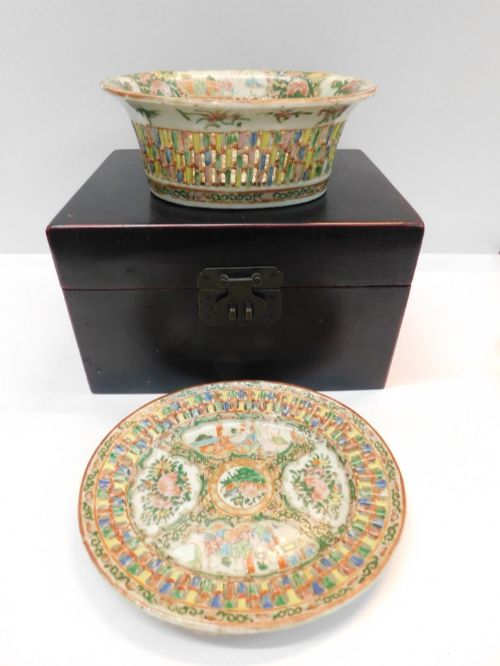
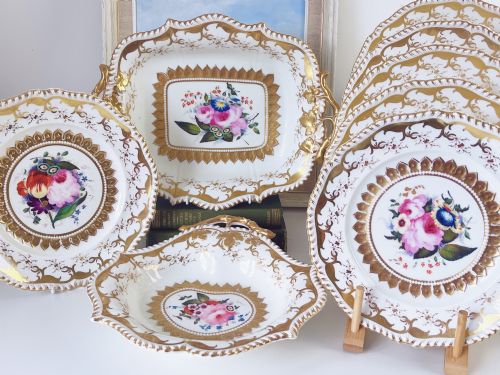
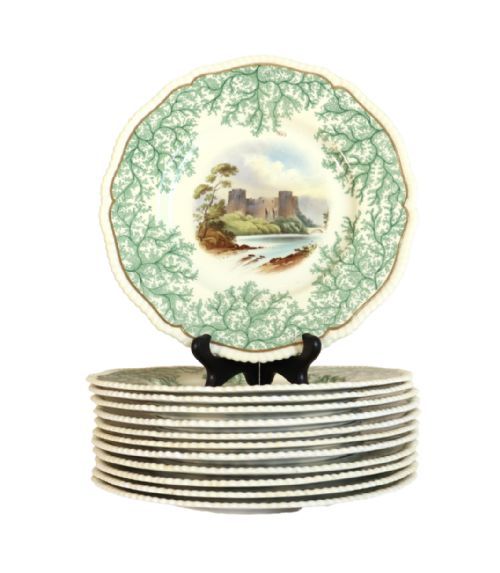
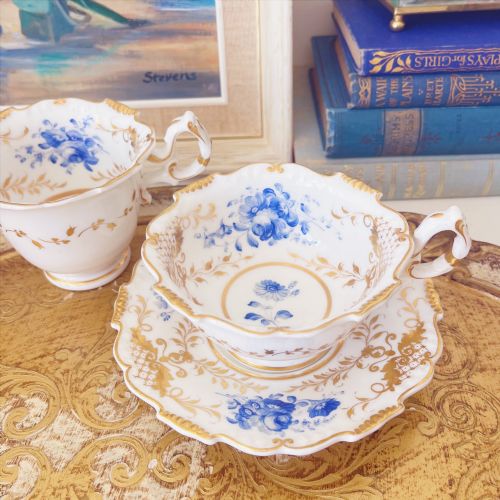
Antique Porcelain Set
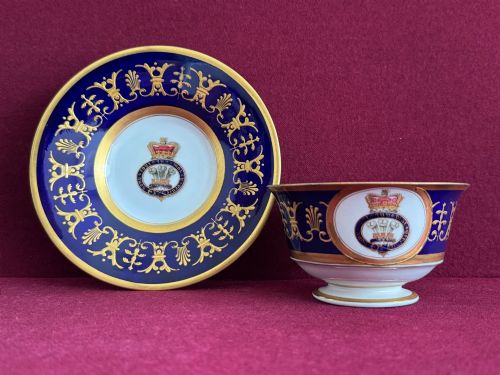
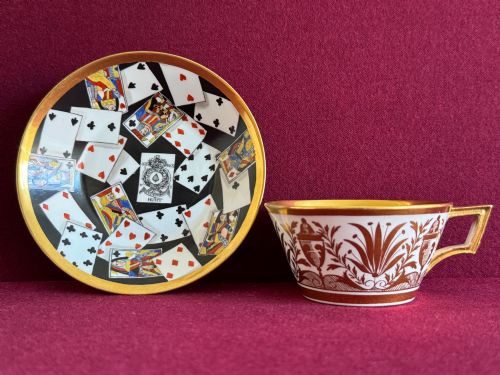
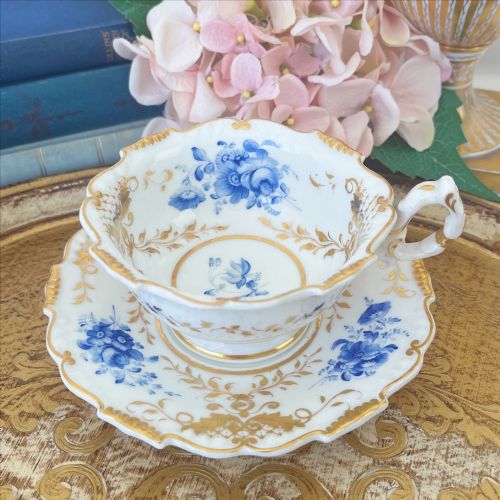
When you search for an antique porcelain set, you are looking at matched table services, garnitures, and cabinet groups made from ceramic materials across the Georgian, Regency, and Victorian periods.
Antique Porcelain Set
An antique porcelain set gathers matching vessels, plates, or cups intended for display or service in domestic interiors. These assemblies range from dessert services and tea trios to multi-piece garnitures and apothecary jars.
The configurations appearing most frequently span Georgian and Regency tea wares alongside Victorian dinner services and decorative mantel arrangements. Each grouping relies on stylistic cohesion established during manufacture to maintain its integrity.
Materials and Techniques
Potters formed these ceramics using fine pastes of porcelain, bone china, and earthenware, shaped by hand or in moulds before firing. Glaze provided a smooth vitreous surface across the body.
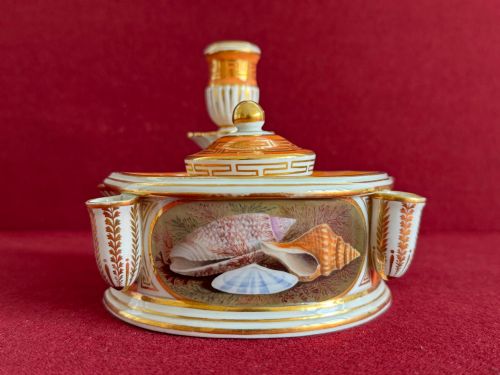
Decoration relied on handpainted enamel pigments combined with applied gold leaf and gilding to highlight borders and motifs. Transfer printing also transferred intricate patterns onto the ceramic body prior to final firing.
Factors of Quality
The standard of an antique porcelain set rests upon the crispness of the moulding and the finesse of the handpainted or transfer-printed decoration. Master painters executed intricate floral or landscape scenes with precise control over enamel tones.
The purity of the ceramic body and the even application of the glaze further distinguish superior examples from standard production wares. Intact gilding and complete, matching components elevate the standing of any service.
Spode·Minton·Flight And Barr·H And R Daniel·Chamberlains Worcester·Davenport·Wedgwood·Kpm Berlin
The Antique Porcelain Set Glossary
- Garniture
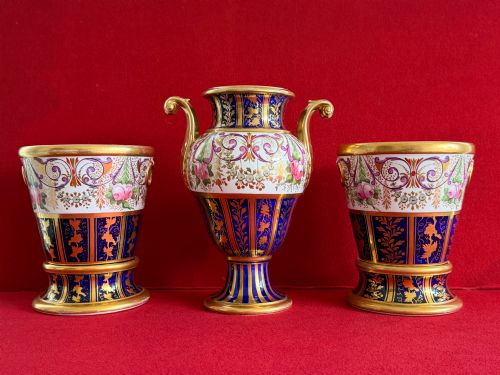
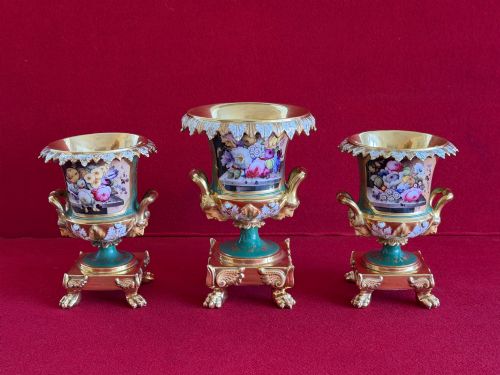
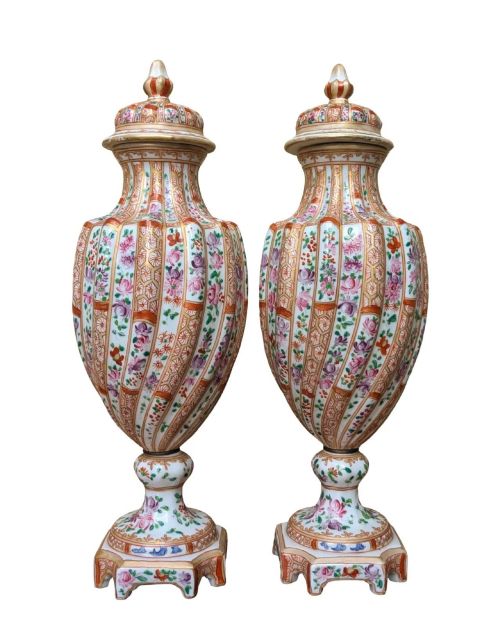
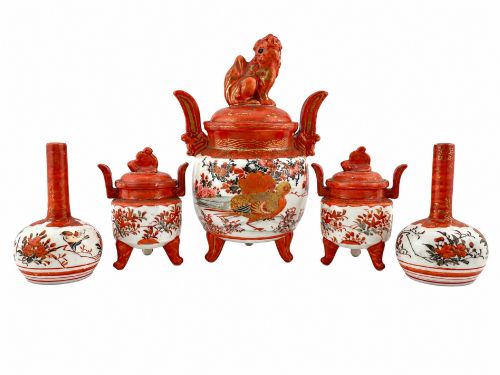
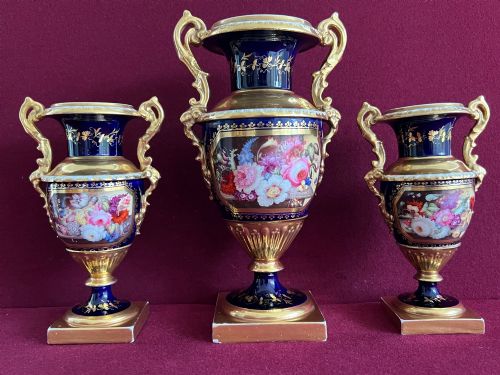
- A set of ornamental vases or jars designed to sit together on a mantelpiece or cabinet. These groupings typically comprise three or five matching pieces.
- Trio
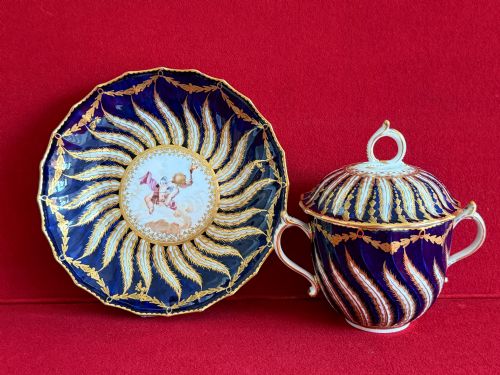
- A set consisting of a teacup, a coffee cup, and a matching saucer. This combination appeared frequently in nineteenth-century English breakfast and tea services.
- Imari palette
- A decorative style utilising underglaze blue, iron red, and gilt highlights inspired by Japanese export wares. European factories frequently adopted these vibrant colours.
- Soft-paste porcelain
- An artificial ceramic composition fired at lower temperatures than hard-paste porcelain. It produces a warm, slightly translucent body popular in eighteenth-century English factories.
- Mazarine
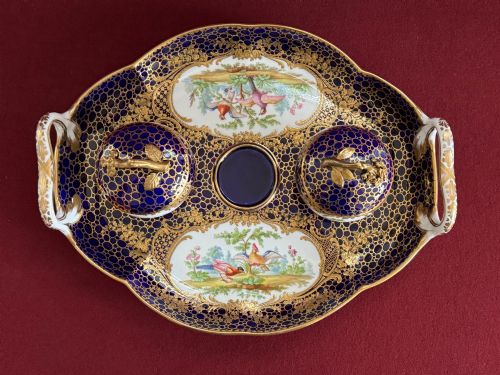
- A deep blue ceramic glaze or a specific deep oval tray used within tableware sets. The term denotes both colour and specialised vessel form.
Antique Porcelain Set: Frequently Asked Questions
What items make up a tea set?
A traditional tea set comprises matching cups, saucers, and serving pieces intended for social gatherings.
Larger configurations often include teapots, milk jugs, and sugar bowls designed in the same aesthetic.
How do I date a porcelain service?
Dating relies on factory marks, pattern numbers, and stylistic markers such as Regency or Victorian forms.
The composition of the ceramic body and the style of handpainted decoration also indicate the period of production.
Can I use antique plates for dining?
Most collectors reserve antique porcelain sets for display due to the delicate nature of soft pastes and historic enamels.
Frequent use and modern dishwashers can damage handpainted surfaces and historical gilding over time.
What is a garniture set?
A garniture is a matched set of vases or urns created for symmetrical placement on furniture.
These decorative assemblies usually consist of three or five graduated pieces sharing identical motifs.