


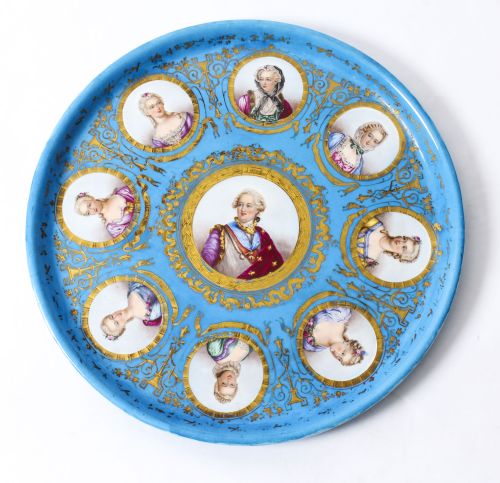
Antique Porcelain Portrait Plate
An antique porcelain portrait plate brings hand-painted nobility and exquisite ceramic artistry straight into your cabinet.
Antique Porcelain Portrait Plate
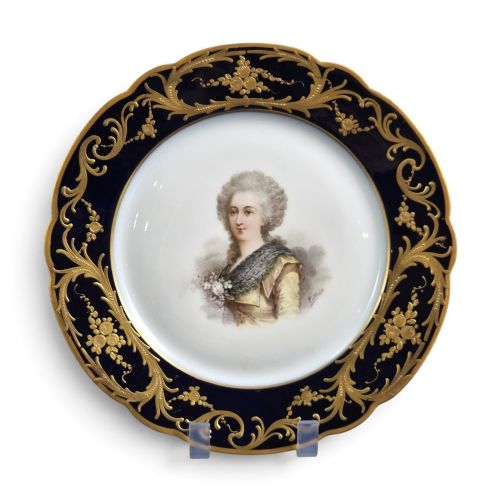
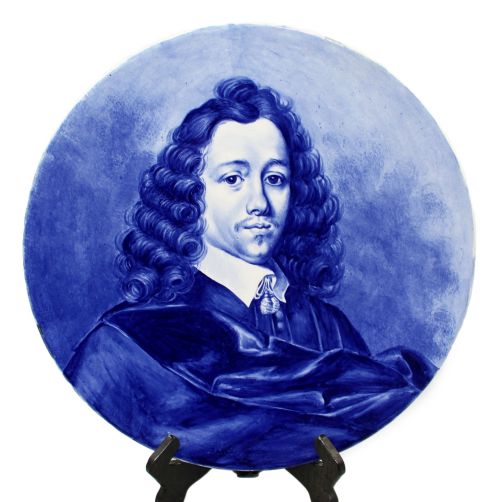
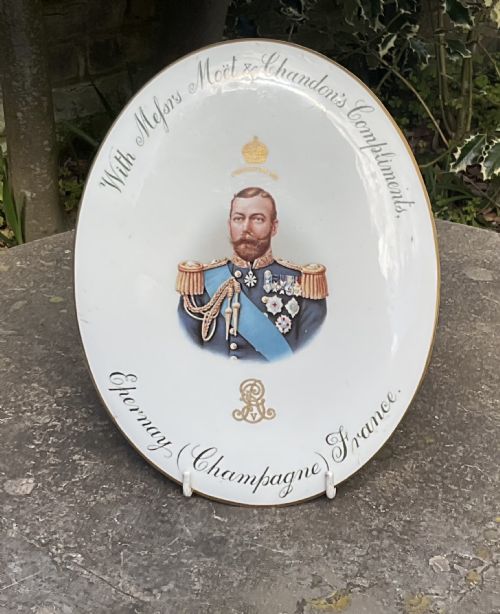
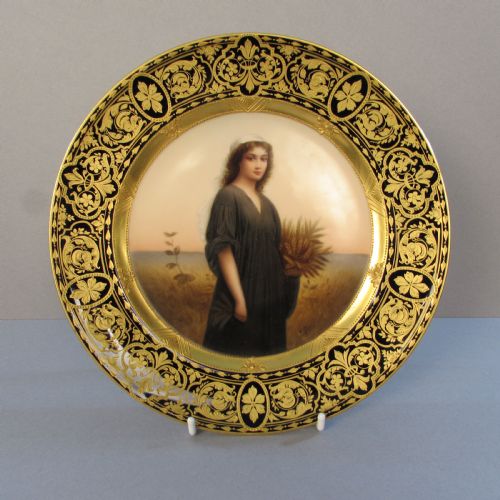
An antique porcelain portrait plate is a decorative ceramic display piece featuring a hand-painted likeness, often depicting historical figures, royalty, or allegorical subjects. These items primarily serve as cabinet plates, decorative chargers, or wall plaques rather than domestic tableware.
The pieces listed here span the nineteenth and early twentieth centuries, encompassing periods such as Victorian, Edwardian, and Neoclassical revivals. Collectors frequently encounter forms influenced by European factories like Sèvres, Royal Vienna, and Coalport.
Makers often drew inspiration from Louis XVI Revival and Victorian historicism styles, resulting in ornate borders embellished with gilding. Such works reflect the Victorian and Edwardian fascination with portraiture executed on a ceramic canvas.
Materials and construction
Makers utilised fine porcelain, bone china, and earthenware as the foundational ceramic base for these painted portraits. The raw clay was shaped into cabinet plates and large chargers before undergoing high-temperature firing.
Materials record frequent use of gold leaf, enamel, and gilt alongside standard glazed ceramic.
Assessing quality
Quality rests primarily upon the skill of the artist visible in the precision of the facial rendering and expression. Finer examples display delicate brushwork and nuanced shading that elevate the portrait beyond simple decoration.
The application of secondary ornament dictates value, particularly the richness of the cobalt grounds and the intricacy of the gold leaf borders. Pieces associated with named artists or major exhibition provenance represent the pinnacle of the maker's output.
Royal Bonn·Coalport·Royal Vienna
The Antique Porcelain Portrait Plate Glossary
- Cabinet plate
- A decorative ceramic plate intended for display in a glass-fronted cabinet rather than for dining use. These pieces often feature elaborate painted scenes and gilded borders.
- Charger
- A large ornamental plate used traditionally as a base dish or hung upon a wall for display. They provide a wider canvas for portraiture and decorative motifs.
- Gilding
- The application of gold leaf or gold powder to the ceramic surface to create shimmering borders and highlights. This technique defines the opulent aesthetic of nineteenth-century revival styles.
- Enamel
- Vitreous coloured glass fused to the ceramic body during firing to create permanent painted imagery. Artists used these pigments to achieve rich tones in portrait subjects.
Antique Porcelain Portrait Plate: Frequently Asked Questions
What is an antique porcelain portrait plate?
An antique porcelain portrait plate is a decorative ceramic dish painted with the likeness of a historical figure, monarch, or imagined subject. These items were produced primarily during the nineteenth and early twentieth centuries as ornamental works.
Unlike everyday tableware, they were designed specifically for visual display in reception rooms or private cabinets. Their surfaces combine fine ceramic painting with rich gilding and cobalt grounds.
How were these decorative plates used?
These pieces served as decorative art objects within wealthy Victorian and Edwardian households. Owners placed them on specialised stands inside display cabinets or mounted them directly onto walls.
They functioned as conversation pieces that demonstrated the owner's cultural interests and appreciation for fine European porcelain craftsmanship.
How do I identify the period of a plate?
Dating relies on examining factory marks, style signatures, and the overall aesthetic movement of the piece. Nineteenth-century examples often exhibit Victorian historicism or Neoclassical revival motifs.
Later pieces from the early twentieth century reflect Edwardian tastes and specific exhibition commemorations. Factory styles from Sèvres and Royal Vienna provide further chronological clues.