


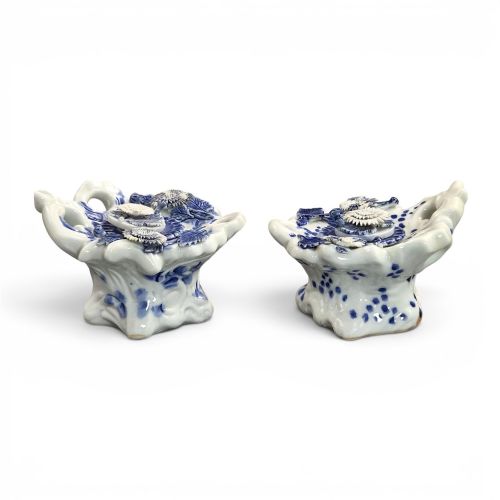


Antique Porcelain Desk Accessory
An antique porcelain desk accessory brings hand-painted charm and utility to a writing surface, offering refined inkwells, brush pots and stands from centuries past.
Antique Porcelain Desk Accessory
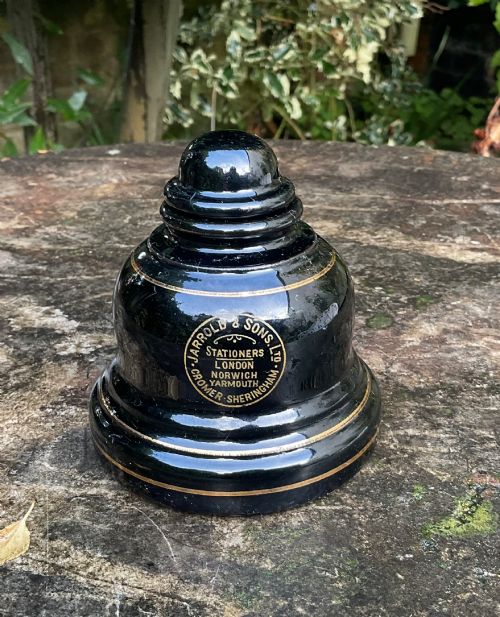
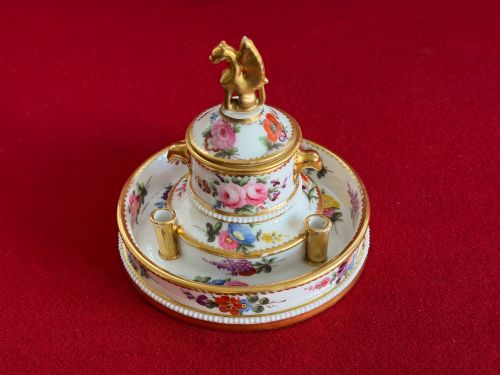
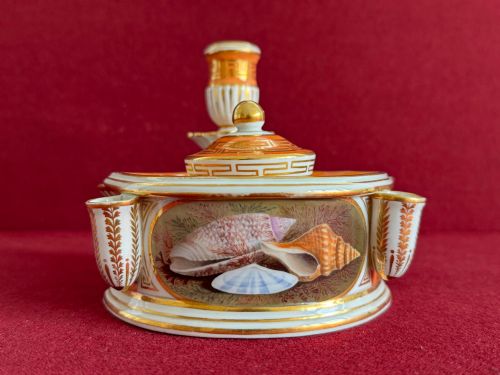
These items encompass inkwells, inkstands, brush pots, quill holders, pen boxes and book slides intended for writing desks. Examples span Georgian, Regency and Victorian periods, alongside Chinese scholar's pieces.
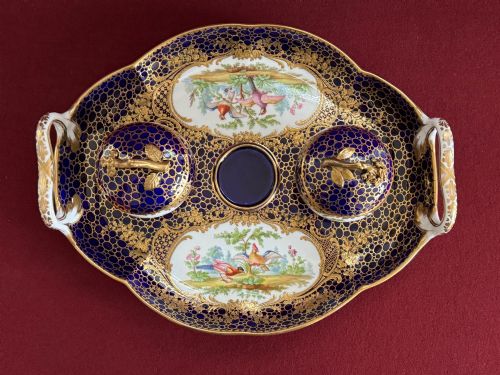
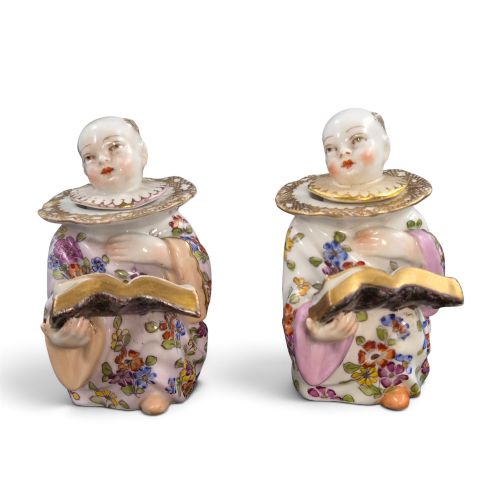
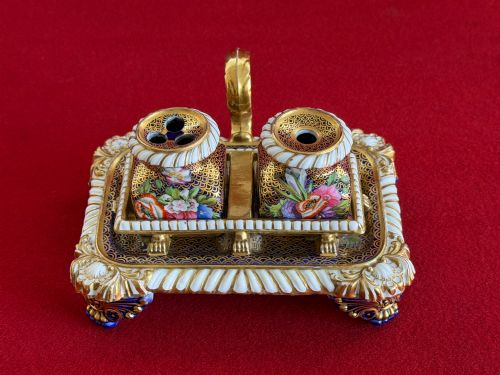
The most common forms on this page are ceramic inkstands and inkwells, often incorporating brass mountings or fitted compartments for writing implements. Figures such as Staffordshire greyhounds and Chinese singing boys also serve as functional desk accessories.
Origins range widely from English factories like Spode and Worcester to continental producers in Germany and France, as well as Asian export wares. Each piece reflects the desk customs and writing habits of its specific era.
Materials and construction methods
Makers shaped porcelain, earthenware and ceramic bodies by hand or in moulds before applying glazes such as cobalt blue or white tin glaze. Many pieces feature intricate hand-painted decoration, including floral motifs and hand-painted plaques.
Gilt, gold leaf and enamel accents frequently embellish the ceramic surfaces, adding contrast and depth. Brass mounts and bases provide structural support and secure footing for heavier inkstands.
Antique Porcelain Desk Accessory Retail Price Guide 2026
Typical asking prices for porcelain desk accessory among the pieces listed under this phrase on Sellingantiques today, from the lower quarter to the upper quarter. They describe what is for sale here now, not the wider market.
Several Staffordshire greyhounds sit patiently on desks, doubling as charming quill holders for historical writers.
Judging the quality of these pieces
Quality rests upon the crispness of the porcelain modelling and the precision of the hand-painted details. Superior pieces display controlled brushwork and well-defined forms, whereas lesser examples show softer lines and simpler glaze application.
The integrity of secondary materials dictates overall worth, particularly where brass mounts, fitted lids or enamel work remain intact and original to the piece.
Edmé Samson·Spode·Flight Barr And Barr·Minton·Meissen
The Antique Porcelain Desk Accessory Glossary
- Inkstand
- A portable tray or stand holding one or more inkwells, pen holders, and sometimes a sander for drying ink. These multi-piece desk sets anchor the writing surface.
- Bitong
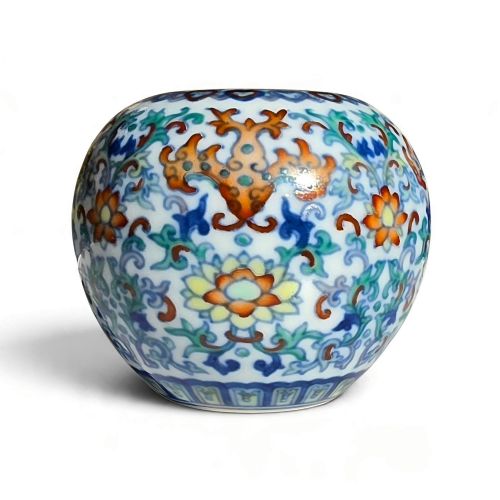
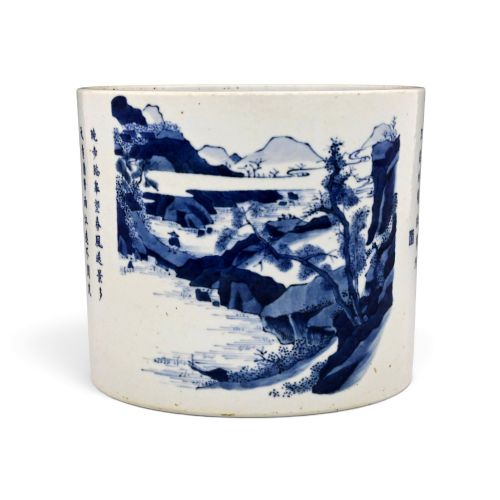
- A cylindrical brush pot used in traditional Chinese scholar's studios to hold writing brushes. They are typically carved or painted with intricate scenes.
- Schneeballen
- A German porcelain technique involving densely applied small rosettes and blossoms covering the entire surface. This labour-intensive method creates a textured, snow-ball effect.
- Quill holder
- A small ceramic support designed to hold feathered writing quills when not in use. They frequently take the form of animals or figural groups.
Antique Porcelain Desk Accessory: Frequently Asked Questions
What is an antique porcelain desk accessory?
It is a functional item for a writing desk, such as an inkwell, brush pot, inkstand or pen box, made from ceramic materials in past centuries.
These pieces combine decorative hand-painted artistry with practical compartments designed to hold writing instruments.
How do I care for antique ceramic inkwells?
Dust gently with a dry, soft cloth and avoid exposing the piece to harsh cleaning agents that might damage the painted glazes or gilding.
Keep inkwells clean of dried ink residue using mild moisture only where the porcelain is fully glazed and sealed.
How can I tell the period of a desk accessory?
Dating relies on stylistic clues, factory marks, glaze types and the specific forms popular during periods like the Regency or Victorian eras.
Examining the base material and manufacturing technique helps distinguish earlier Georgian examples from later nineteenth-century productions.
Were Chinese brush pots used for writing?
Scholar's brush pots, or bitong, held the various brushes utilised in traditional Chinese calligraphy and painting.
Placed on the desk, they functioned as both practical storage vessels and scholarly works of art.