



Antique Porcelain Boy
These antique porcelain boy figures and vessels range from eighteenth-century English works to nineteenth-century continental pieces and Chinese jars.
Antique Porcelain Boy
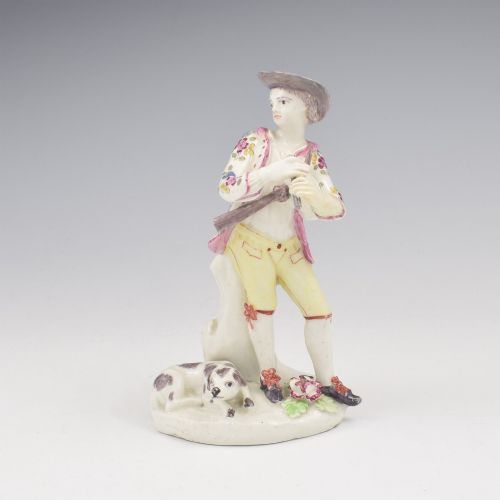
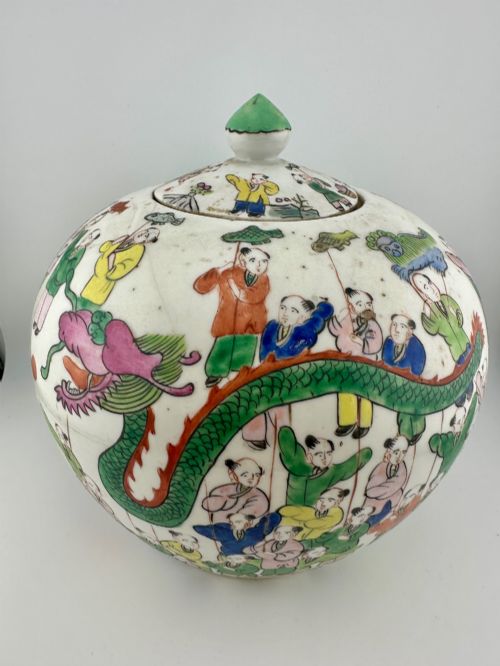
An antique porcelain boy search covers a diverse group of European and Chinese figures, inkwells, posy holders, and ginger jars produced across the eighteenth, nineteenth, and early twentieth centuries. These objects span English manufactories, German porcelain houses, French makers, and Qing dynasty Chinese kilns.
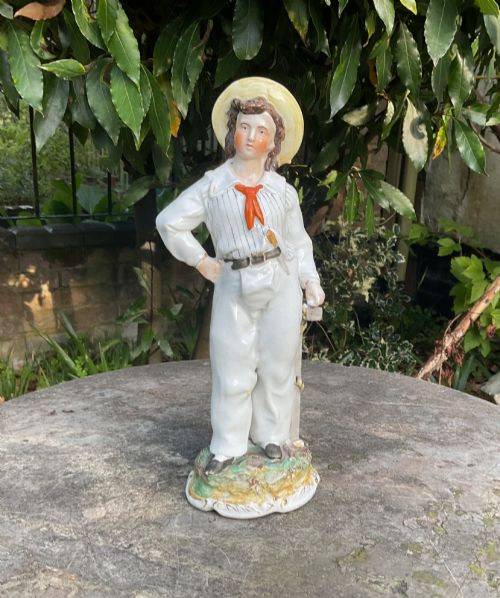
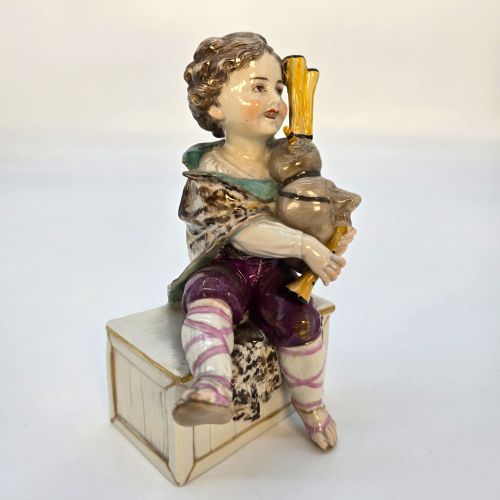
The domestic figures and figural groups frequently depict children, harvesters, musicians, skaters, or fisher folk modelled in expressive poses. Alongside these sculptural pieces, functional items such as inkwells, incense holders, and covered jars incorporate juvenile motifs and traditional festival scenes.
How they were made
Manufacture relies on hard-paste and soft-paste porcelain, earthenware, and unglazed bisque porcelain or parian ware, shaped into figures and vessels through skilled moulding and modelling. Many pieces receive hand-painted enamel decoration, delicate pastel hues, and gilding with gold leaf.
Potteries applied distinct regional techniques, from the vibrant enamels of Chinese famille rose and famille verte wares to the intricate underglaze blue painting and detailed polychrome overglaze decoration seen in European factory productions.
Antique Porcelain Boy Retail Price Guide 2026
Typical asking prices for porcelain boy among the pieces listed under this phrase on Sellingantiques today, from the lower quarter to the upper quarter. They describe what is for sale here now, not the wider market.
Listings feature hard-paste porcelain, soft-paste porcelain, earthenware, and bisque porcelain across multiple European and Chinese periods.
What varies in quality
Quality rests on the crispness of the modelling and the precision of the hand-painting, particularly in facial expressions, clothing details, and polychrome enamel work. Finer pieces demonstrate superior control over kiln firing and glaze application.
The reputation of the producing factory, such as Meissen, Bow, KPM, or Samson, alongside clear factory marks and well-preserved gilt accents, distinguishes standard commercial output from exceptional studio work.
Edmé Samson·Volkstedt Rudolstadt Factory·Royal Worcester·Krister KPM Waldenburg·Meissen·C. G. Schierholz·Niderviller·Bow Porcelain·Volkstedt Triebner Ens & Eckert·Ernst Bohne and Söhne·Sitzendorf·Helena Wolfsohn·KPM·Royal Berlin·Royal Dux
The Antique Porcelain Boy Glossary
- Bisque porcelain
- Unfired or unglazed biscuit porcelain that leaves a matte, white surface resembling marble. This finish highlights fine sculptural detail without the distraction of a glossy sheen.
- Famille rose
- A major palette of Chinese ceramic enamels introduced in the Qing dynasty, dominated by opaque pink and rose colours. The style allows for subtle tonal gradations in painted figures and robes.
- Hard-paste porcelain
- A durable ceramic composition fired at high temperatures using kaolin and petuntse. It yields a dense, vitrified body that resists scratching and carries a bright white appearance.
- Parian ware
- A fine-grained unglazed bisque porcelain developed in the nineteenth century to imitate marble. It is frequently utilised for sculptural figure groups and portrait busts.
- Soft-paste porcelain
- An artificial porcelain mixture fired at lower temperatures than hard-paste bodies. It produces a slightly softer texture and a warmer, creamier glaze ground.
Antique Porcelain Boy: Frequently Asked Questions
What periods do these pieces date from?
The selection spans from the mid-eighteenth century up through the Edwardian era and early twentieth century. Most examples originate in the nineteenth century.
European figures date from eighteenth-century English works to Victorian continental productions, while Chinese items include Qing dynasty pieces.
How were these porcelain figures used originally?
Many items served as decorative mantel ornaments, cabinet figures, or table centrepieces in domestic interiors. Others combined sculpture with utility, functioning as inkwells, posy holders, or incense burners.
Covered jars were utilised for storing tea or spices while displaying elaborate narrative scenes.
How do I identify the factory that made a piece?
Look for underglaze painted marks, impressed stamps, or incised numbers on the unglazed base of the porcelain. Factories like Meissen, Bow, and KPM used specific blue crossed swords, anchors, or sceptre symbols.
Stylistic details in the modelling and enamel palette also provide strong clues to origin.
What is the difference between bisque and glazed porcelain?
Bisque porcelain is left unglazed after firing, producing a matte, tactile surface with a texture similar to fine marble. Glazed porcelain receives a glassy coating that seals the ceramic body and adds shine.
Both finishes appear across nineteenth-century figures.