




Antique Pointer Dog Figures
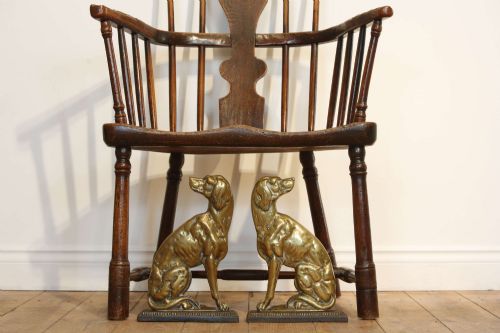
Antique pointer dog figures capture the intensity of the hunt in bronze, porcelain, and spelter, offering collectors rich sculptural detail.
Antique Pointer Dog Figures
Antique pointer dog figures represent the enduring appeal of the hunting dog in domestic decoration, spanning periods from the early nineteenth century through the art deco era. These sculptures and figurines take the form of hounds, setters, and gundogs posed attentively or retrieving game.
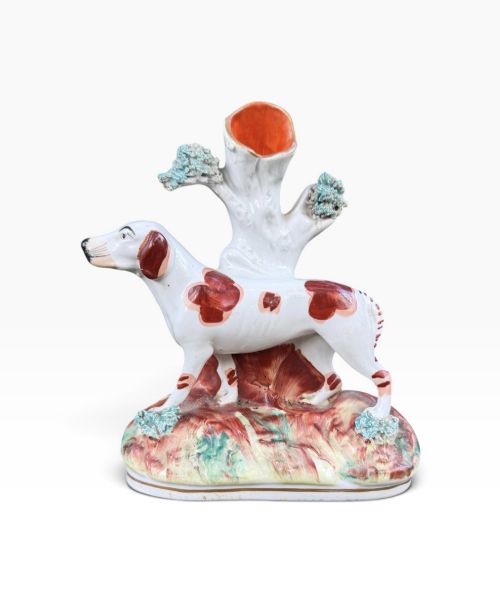
The pieces on this page appear in various mediums, including bronze, earthenware, porcelain, and spelter. Creators of these works drew on animalier traditions, capturing the tense muscles and alert postures typical of working dogs in the field.
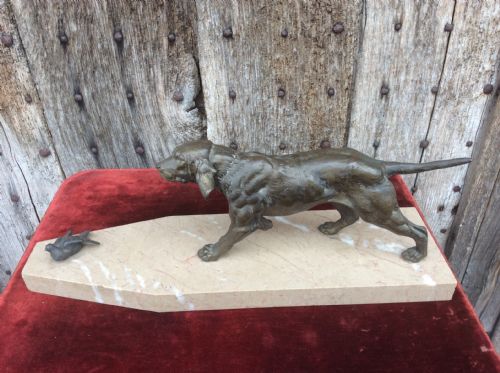
Most examples originate from nineteenth-century workshops and later twentieth-century foundries. They range from small glazed porcelain shelf pieces to substantial bronze groups mounted on marble bases.
How they were made
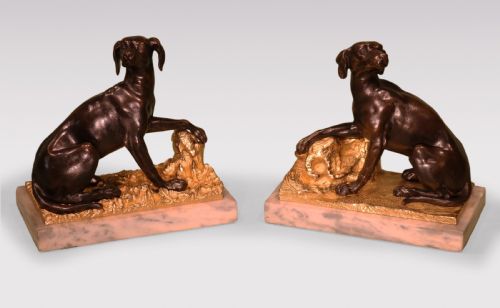
Foundries cast figures in bronze and spelter using traditional methods, frequently mounting the heavier metal sculptures on polished marble plinths. Gilt accents, ormolu, and patinated finishes enhanced the textural depth of the metalwork.
Pottery and porcelain examples utilised moulded earthenware and white blanc de chine, finished with hand-painted details and clear or coloured glaze. Staffordshire and factory pieces involved careful firing and glazing to achieve their characteristic surface sheen.
Antique Pointer Dog Figures Retail Price Guide 2026
Typical asking prices for pointer dog figures among the pieces listed under this phrase on Sellingantiques today, from the lower quarter to the upper quarter. They describe what is for sale here now, not the wider market.
Several dogs are caught mid-thought, staring down invisible pheasants with absolute concentration.
What varies in quality
Quality rests in the anatomical precision of the animal and the crispness of the casting or moulding. Fine bronze and spelter sculptures exhibit sharply defined musculature and expressive stances, whereas lesser examples lose detail in soft edges.
The integration of materials dictates distinction in larger works, such as the harmony between a bronze hound and its marble base or the finesse of ormolu mounts. In ceramics, the clarity of the glaze and the delicacy of hand-applied painting separate standard production from superior factory output.
Delabrierre·C Masson·Enoch Wood factory·Dubucand·Royal Dux
The Antique Pointer Dog Figures Glossary
- Animalier
- Art depicting animals, particularly popular in nineteenth-century French sculpture. It focuses on realistic anatomy and dynamic movement.
- Spelter
- A zinc alloy used as a cost-effective substitute for bronze. It often received a bronze-like patina to mimic heavier metal.
- Blanc de Chine
- A white porcelain produced in China and emulated by European factories. It relies on a smooth, milky glaze without surface colour.
- Ormolu
- Gilded bronze applied as an ornamental mount or decorative trim. It adds contrast and highlights sculptural details.
- Patina
- The surface sheen and colour developed through age and handling. It indicates the natural oxidation of metal over time.
Antique Pointer Dog Figures: Frequently Asked Questions
What metals were used for these dogs?
Makers utilised bronze and spelter predominantly for metal figures, often combining them with marble bases and ormolu mounts.
Cast iron also appears in specific continental hunting sculptures from the period.
What periods do these pieces span?
The selection covers nineteenth-century animalier bronzes alongside Edwardian and art deco pieces from the early twentieth century.
Stylistic shifts reflect changing tastes from Regency naturalism to modern decorative forms.
Where were these sculptures displayed?
Owners placed these figures on mantelpieces, desks, and cabinet surfaces as decorative tributes to field sports.
Heavier bronze and marble groups suited studies and libraries.
How do I spot signed pieces?
Sculptors and factories sometimes cast signatures or factory marks directly into the metal base or stamped the ceramic underside.
Names like Dubucand or Delabrierre indicate the originating hand of the foundry work.