
Antique Pocketwatch
An antique pocketwatch offers mechanical timekeeping in precious metals and steel, sought by collectors for precision craftsmanship.
Antique Pocketwatch
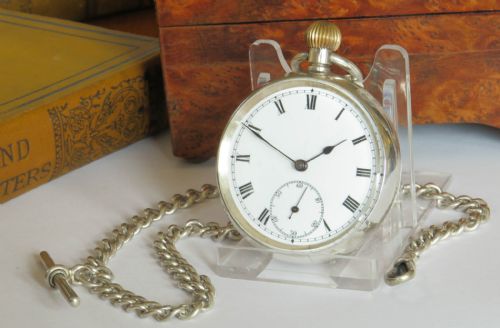
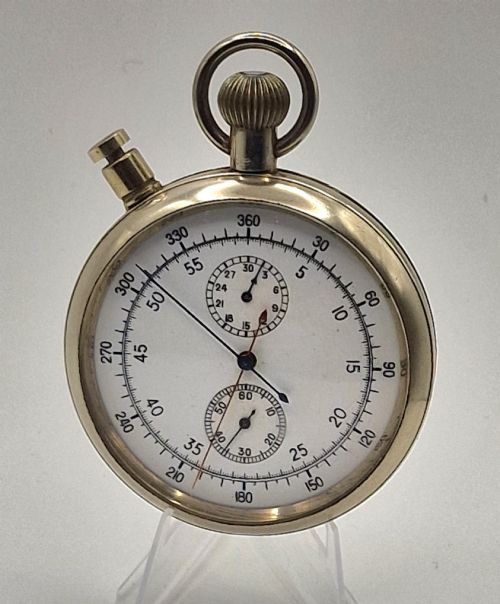
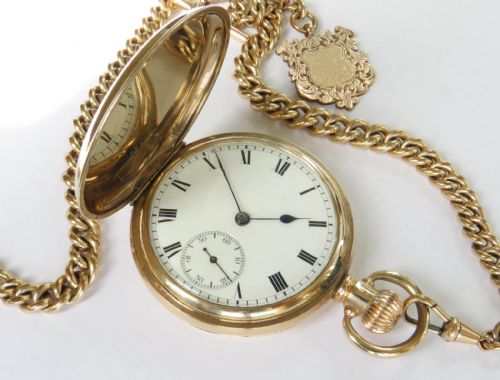
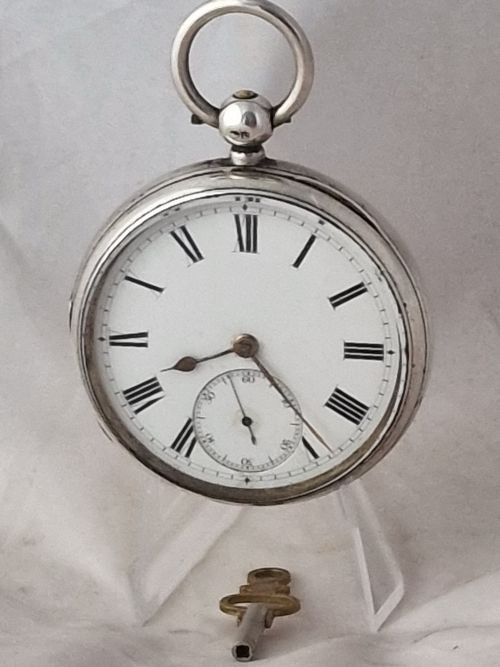
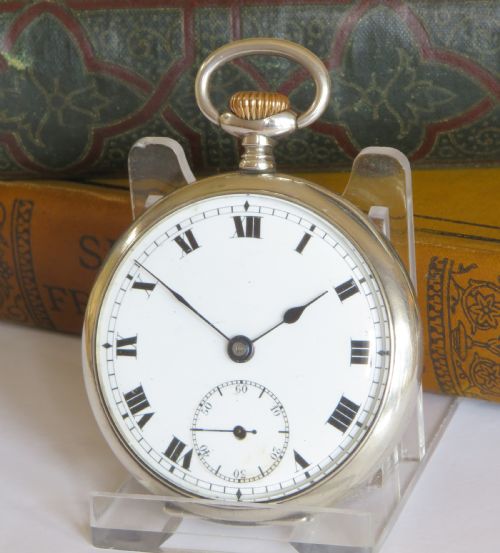
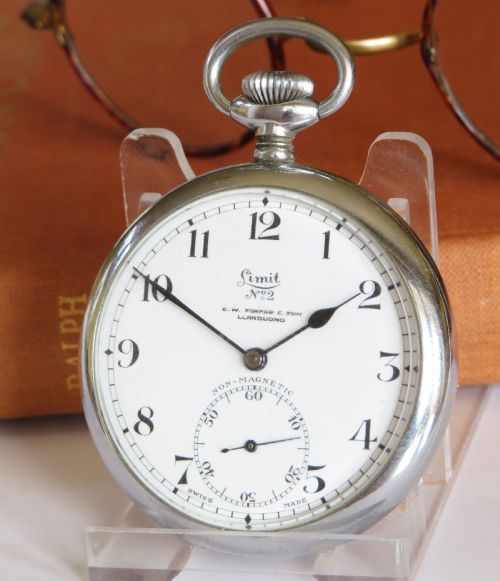
An antique pocketwatch spans periods from the eighteenth century to the mid-twentieth century, encompassing Victorian, Edwardian, Art Deco, and military designs. The selection includes open-faced watches, full hunters, half hunters, and fusee movements alongside related chains, fobs, and stopwatches.
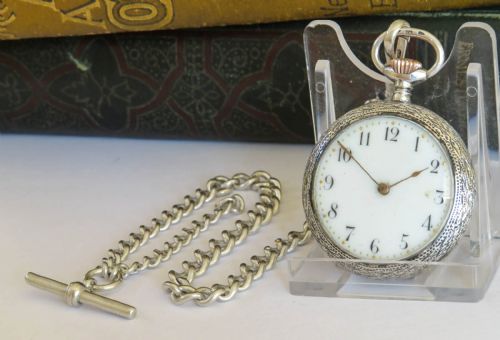
Silver and gold examples dominate the listings, frequently paired with Albert chains, intaglio fobs, or bloodstone seals. Pieces originate from English, Swiss, and continental makers, reflecting diverse horological traditions across several centuries.
Materials and construction
Watch cases utilise silver, sterling silver, gold, yellow gold, rose gold, rolled gold, gold plate, brass, steel, and gun metal. Dials combine glass protection with enamel surfaces, occasionally featuring champleve decoration or specialised military markings.
Movements incorporate fusee mechanisms, quarter-repeating complications, and mechanical gear trains housed within hinged or pair-cased enclosures. Makers inscribed plates and dials with signatures, locations, and serial numbers to denote origin.
Listings feature pocket watches housed in gun metal, brass, and sterling silver, alongside gold examples spanning the Victorian era through the mid-twentieth century.
Standards of execution
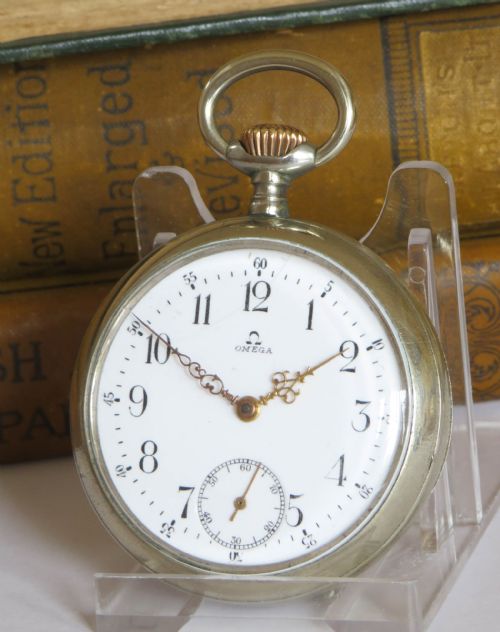
Quality separates through the complexity of the movement, such as fusee or repeating mechanisms, and the precious metal content of the case and associated chains. Hallmarked links on gold or silver Albert chains and signed dials by established makers elevate a piece.
The integrity of the enamel dial, the crispness of engraving on hunter cases, and the inclusion of original fobs or matching chains distinguish superior examples from standard production items.
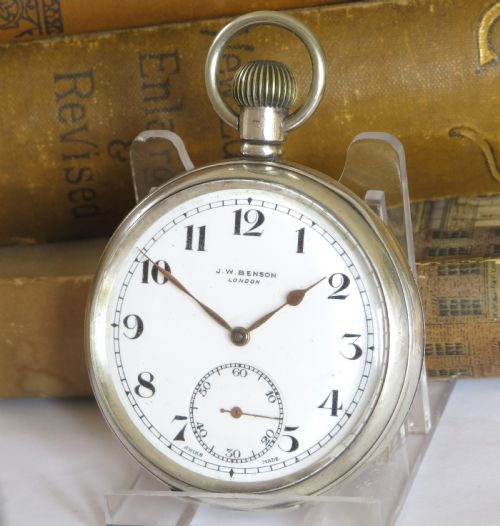
Omega·Waltham·Thomas Russell and Son·Cyma·Lange and Sohne·Longines·JW Benson
The Antique Pocketwatch Glossary
- Fusee
- A conical pulley used in older watch movements to maintain even tension as the mainspring unwinds. This mechanism improves timekeeping accuracy across the power reserve.
- Full hunter
- A pocket watch featuring a spring-loaded metal cover that protects the glass dial from scratches. Pressing the crown releases the cover to reveal the time.
- Half hunter
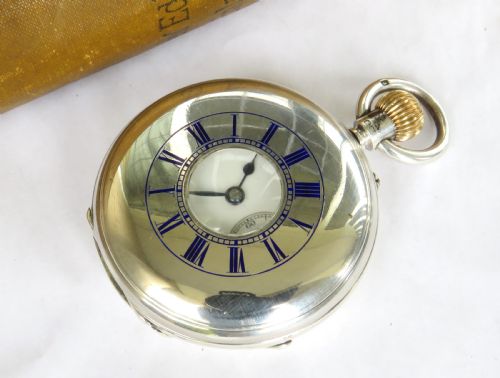
- A pocket watch with a metal outer case lid containing a glass or open aperture in the centre. This allows the wearer to check the hands without opening the full cover.
- Albert chain
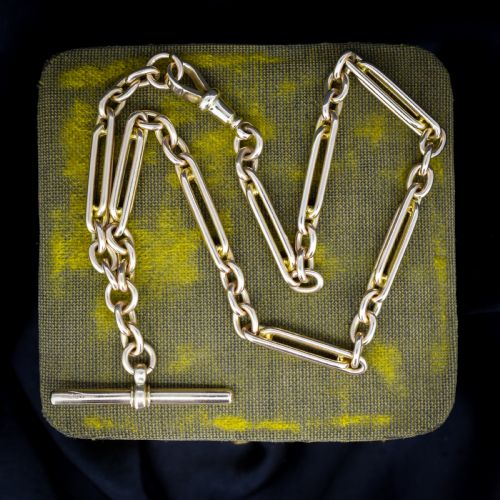
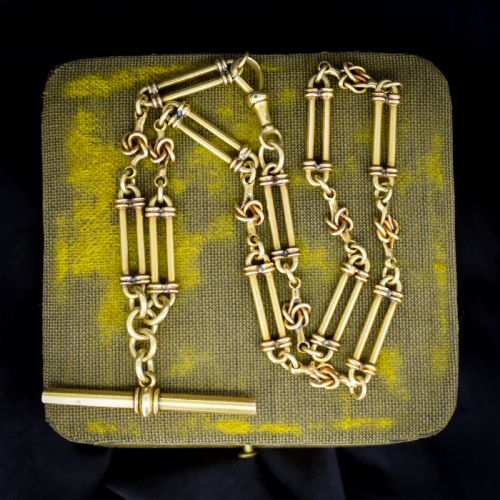
- A chain attached to a pocket watch and secured to a waistcoat buttonhole. Named after Prince Albert, these often include trombone links and drops for fobs.
- Champleve
- An enamelling technique where troughs are carved into a metal surface and filled with vitreous enamel before firing. It creates patterned designs across watch dials.
Antique Pocketwatch: Frequently Asked Questions
What is a fusee pocket watch?
A fusee pocket watch contains a specialised conical drum that equalizes the pull of the mainspring. This traditional system provides steady power to the escapement.
Such movements represent earlier manufacturing methods and appear in nineteenth-century and eighteenth-century pieces.
How do I wear an Albert chain?
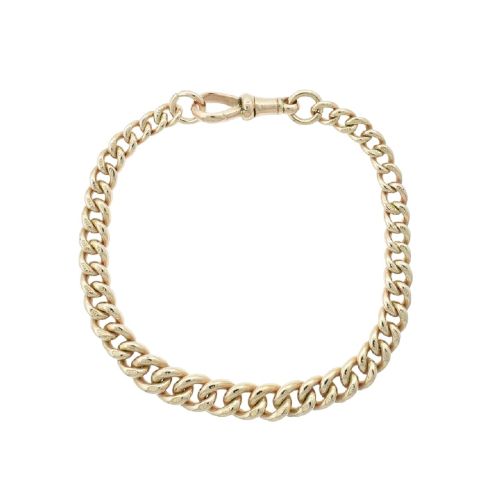
An Albert chain attaches to a pocket watch on one end and secures through a central buttonhole on a waistcoat. The remaining length drapes across the front with a fob dangling.
Shorter lengths suit single pocket attachments, while heavier graduated links distribute weight evenly.
What is the difference between open face and hunter?
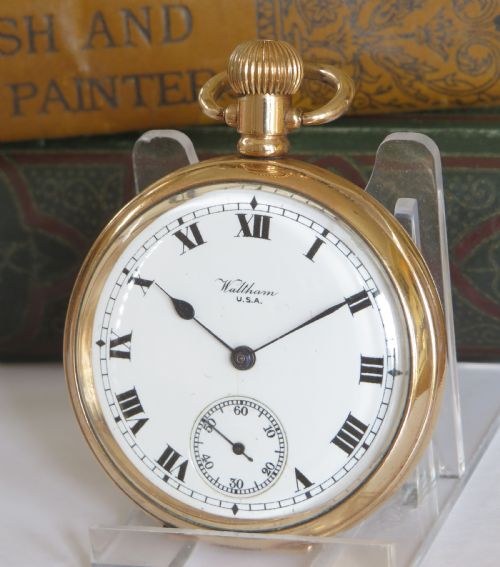
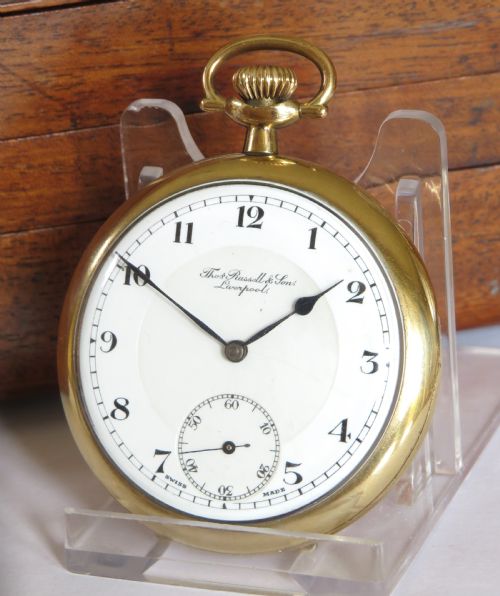
An open-faced pocket watch displays the glass and dial directly without a protective front lid. The winding crown usually sits at the twelve o'clock position.
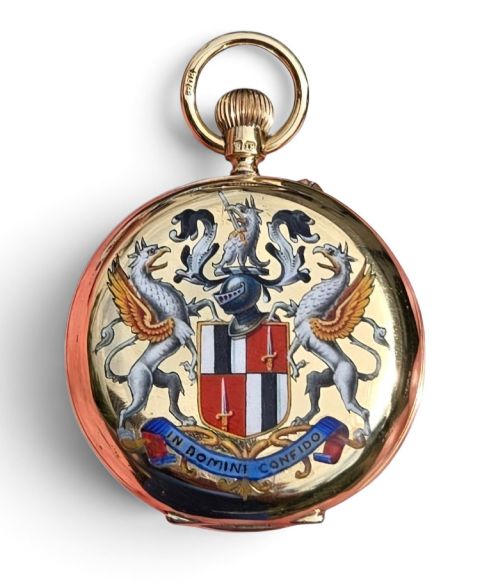
A hunter watch encloses the dial behind a hinged metal cover that springs open via the crown.
How are gold watch cases marked?
Gold watch cases feature hallmarks indicating the purity of the metal, such as carat standards like nine carat or eighteen carat. Maker marks and assay office stamps often accompany these details.
Rolled gold or gold plate alternatives use different terminology to denote the thin layer of precious metal applied over a base metal core.