




Antique Pocket Watch Charm
An antique pocket watch charm is a small decorative pendant originally worn on a watch chain, offering a fascinating glimpse into Victorian and Edwardian personal ornamentation.
Antique Pocket Watch Charm
When you search for an antique pocket watch charm, you encounter a diverse array of miniature items designed to hang from chains, chatelaines, and waistcoats. These pieces span from the late nineteenth century into the mid-twentieth century, capturing periods such as the Victorian, Edwardian, and Art Deco eras.
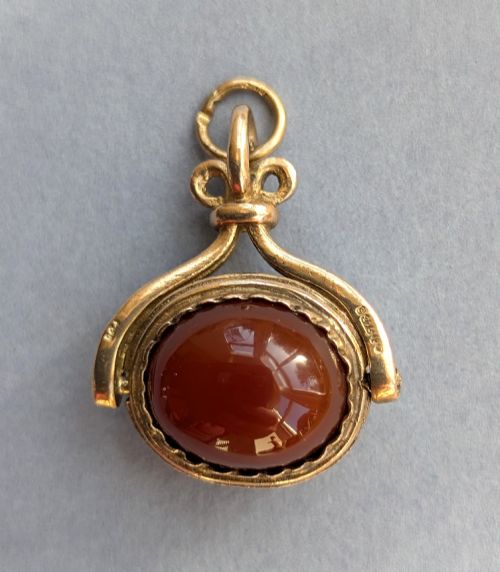
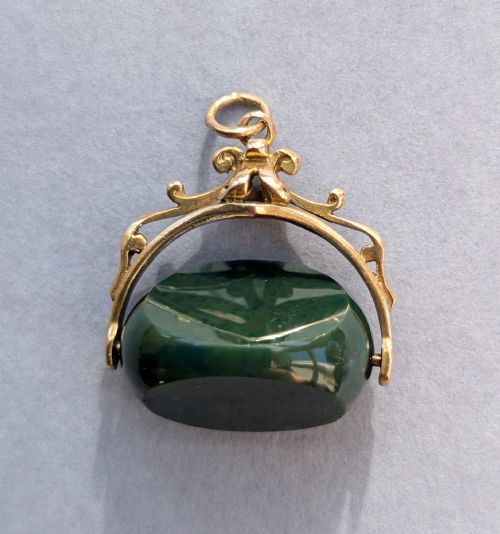
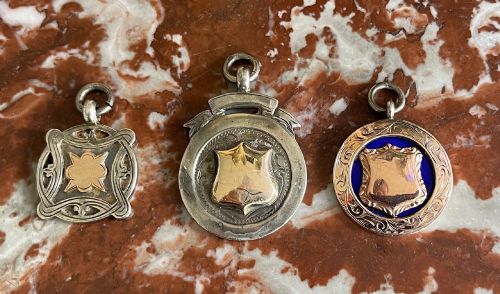
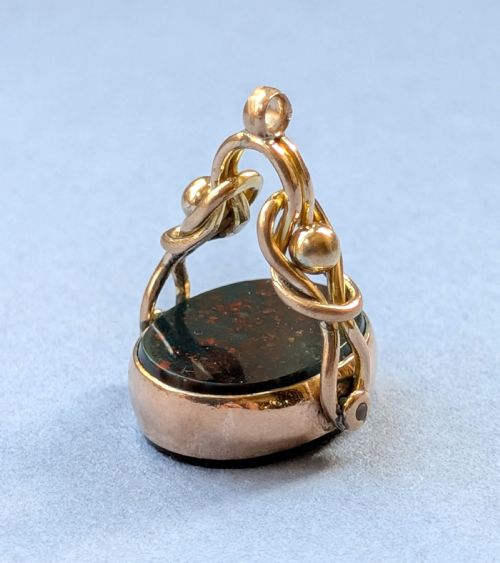
You are most likely to meet rotating stone fobs, engraved seals, and small medals on this page. These examples demonstrate the functional origins of watch attachments evolving into purely decorative personal items.
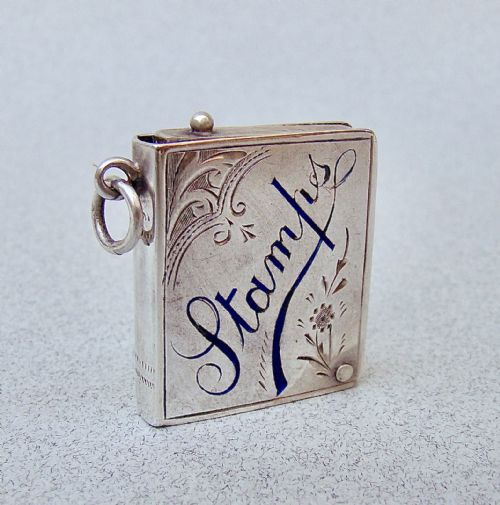
The objects take many forms, including spinning fobs set with carnelian or bloodstone, miniature compasses, and enamel novelties. Each piece reflects the specific personal or sporting interests of its original owner.
How they were made
Goldsmiths and silversmiths utilised nine carat and fifteen carat gold, sterling silver, and gold casing techniques to form the structural mounts and frames of these charms. Precious metals were worked into elaborate bezels, swivel rings, and intricate floral or geometric medal shapes.
Lapidaries cut and polished hardstones such as carnelian, chalcedony, and bloodstone to fit securely into spinning or stationary bezels. Enamel was applied to metal surfaces to introduce vibrant colour to novelties and sporting medallions.
Antique Pocket Watch Charm Retail Price Guide 2026
Typical asking prices for pocket watch charm among the pieces listed under this phrase on Sellingantiques today, from the lower quarter to the upper quarter. They describe what is for sale here now, not the wider market.
What varies in quality
The distinction between standard examples and the finest pieces rests upon the crispness of the metal chasing and the depth of hand engraving. Superior items display meticulous attention to detail in the mounts and clear, legible intaglio carvings on the stone seals.
Material selection significantly influences the tier of a piece, with heavy solid gold or silver settings outperforming lighter gold-cased versions in durability and substance. The integration of high-grade coloured gemstones or precise enamel work elevates the overall standard.
Crisford & Norris
The Antique Pocket Watch Charm Glossary
- Fob seal
- A small pendant featuring an engraved matrix at the base, traditionally used to impress a seal into hot sealing wax. These items often swivel within a metal frame to display two different hardstones.
- T bar
- A transverse metal bar attached to the end of a watch chain, designed to pass horizontally through a buttonhole on a waistcoat. It frequently accompanies seals and charms as part of an ensemble.
- Chatelaine
- A decorative belt hook worn with a series of suspended chains carrying utilitarian items like watch keys, seals, and charm pendants. This accessory was common in the Victorian period.
- Intaglio
- A design carved into the surface of a gemstone so that an impression pressed in wax appears in relief. Carnelian and bloodstone were frequently worked in this manner for signet seals.
- Watch key
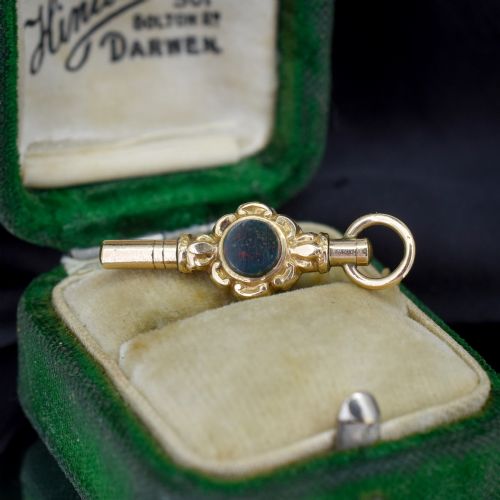
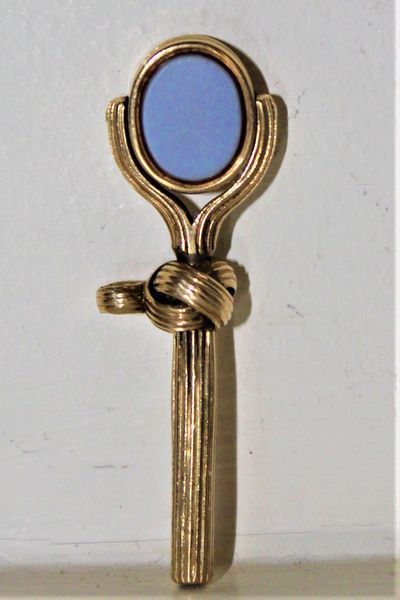
- A small winding key fashioned with decorative handles and sometimes set with stones, used to wind pocket watches before keyless movements became standard.
Antique Pocket Watch Charm: Frequently Asked Questions
How do I wear an antique pocket watch charm today?
These charms attach easily to modern neck chains, charm bracelets, or traditional watch chains using their original dog clips or jump rings.
Their compact size makes them versatile for daily wear, whether suspended singly or grouped together.
What is the difference between a fob and a charm?
A fob traditionally served a functional purpose, such as carrying a seal for wax stamping or a key for winding a watch, whereas a charm is purely decorative.
Over time, many fobs transitioned into decorative charms as pocket watch usage declined.
How can I date an antique watch charm?
Stylistic clues, such as the geometric lines of Art Deco or the ornate floral motifs of the Victorian era, provide initial chronological markers.
Assay marks and silver hallmarks stamped onto the metal mounts offer precise confirmation of the year and location of manufacture.
Were these charms used as sports medals?
Many silver and gold medallions listed from the early twentieth century served as sporting awards for tennis, darts, and other competitive events.
Winners engraved their achievements and dates directly onto the metal surfaces or reverse shields.