

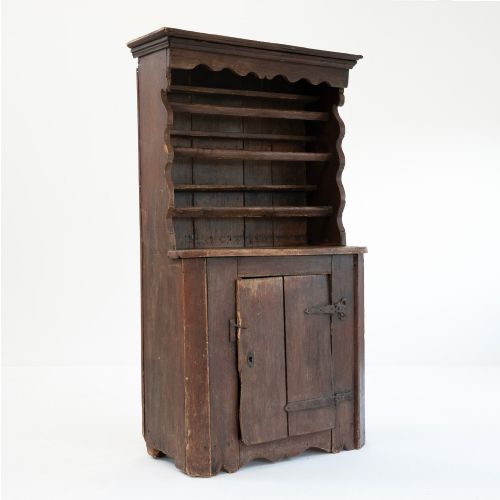

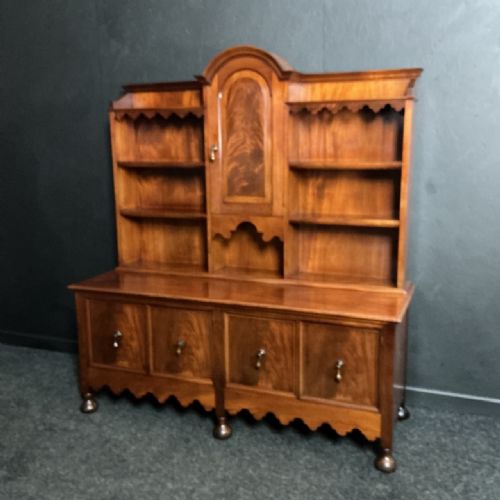
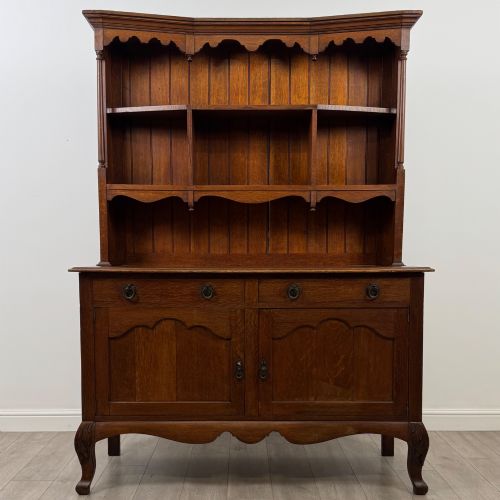
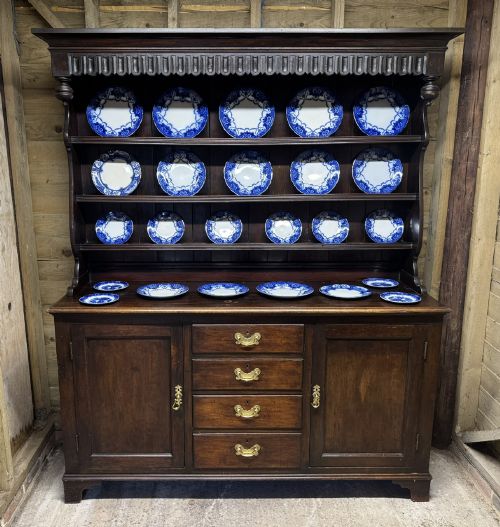

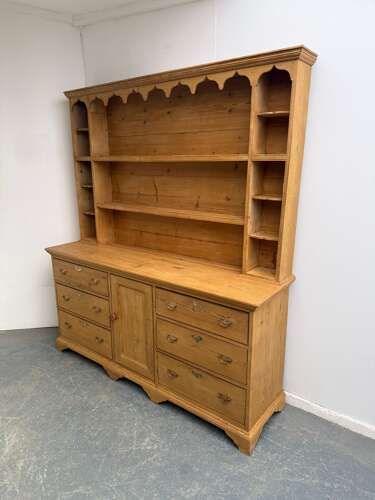


Antique Plate Rack Cabinet
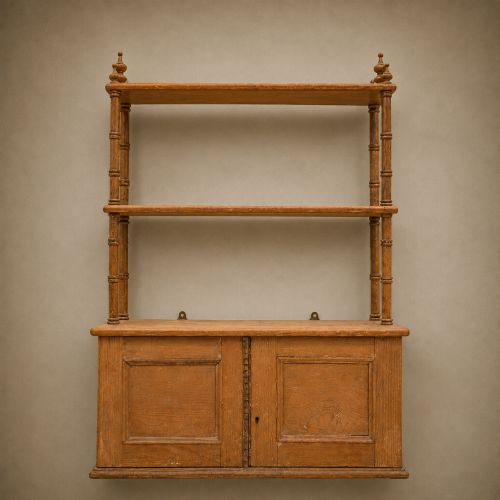
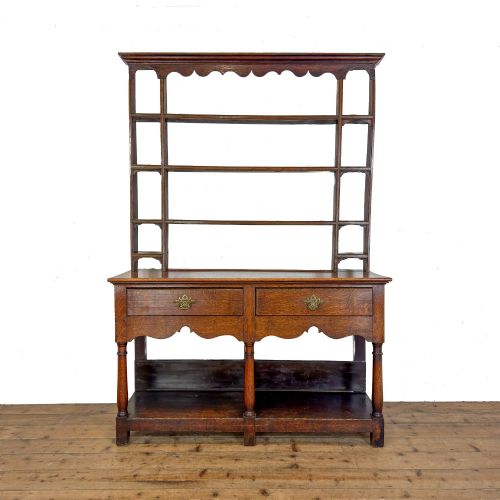
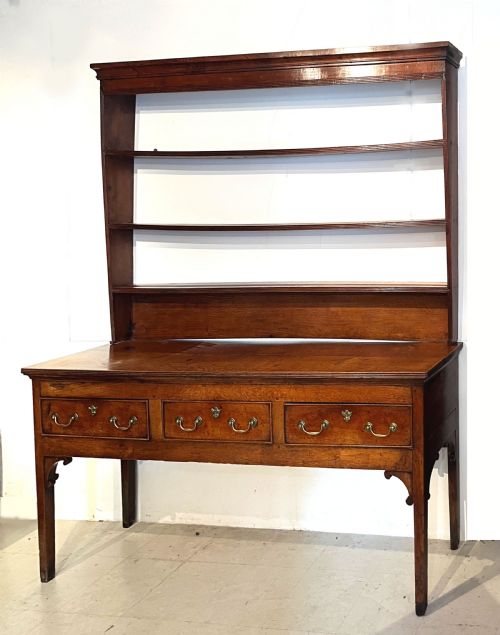
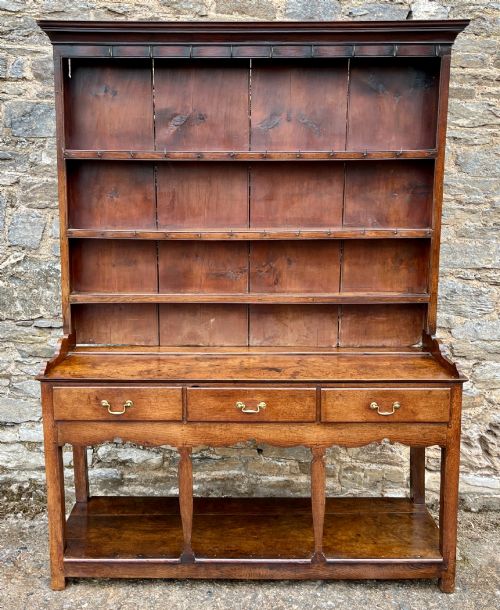
An antique plate rack cabinet gathers kitchen and dining display into one functional unit, offering open shelving for daily ceramic storage above enclosed cupboard space.
Antique Plate Rack Cabinet
When you search for an antique plate rack cabinet, you encounter forms that span kitchen dressers, wall hanging shelves, and two-part cupboards designed to display and store ceramics.
The pieces on this page appear in regional styles such as English Country, Georgian, French Provincial, and Rustic Farmhouse, reflecting domestic storage needs across the eighteenth and nineteenth centuries.
Oak and pine dominate the selection, appearing alongside walnut, cherrywood, chestnut, and painted surfaces that show how households organised their dining ware.
Materials and construction methods
Joiners built these cabinets using solid timber like oak and pine, frequently shaping open shelves with plate grooves to hold heavy ceramic platters securely upright.
Hardware includes brass and iron handles, hinges, and drawer pulls, while finishes range from natural waxed polish to traditional painted surfaces.
Antique Plate Rack Cabinet Retail Price Guide 2026
Typical asking prices for plate rack cabinet among the pieces listed under this phrase on Sellingantiques today, from the lower quarter to the upper quarter. They describe what is for sale here now, not the wider market.
A Victorian oak bowfront dresser includes carved Green Man motifs, watching over the kitchen from beneath its plate rack.
Assessing quality in storage cabinets
The standard of a cabinet rests on the integrity of its timber framing, the retention of original backboards and open shelf structures, and the depth of natural patina on the wood.
Refinements such as carved detailing, breakfront drawer arrangements, and integrated potboards distinguish formal regional workshops from simple utilitarian farm furniture.
The Antique Plate Rack Cabinet Glossary
- Welsh dresser
- A traditional kitchen storage unit combining open plate shelves on top with base cupboards or drawers. These pieces served as the central display and storage hub for domestic pottery.
- Potboard
- An open lower shelf fitted beneath a dresser base. This flat platform was traditionally used for storing heavy pots and pans off the floor.
- Breakfront
- A cabinet design where the central section projects forward from the side wings. This architectural arrangement adds visual depth and complexity to the piece.
- Vaisseleiere
- A French regional term for a cupboard or rack specifically built to hold tableware. These units often feature specialised vertical slats or open display tiers.
- Patina
- The surface sheen and mellowing developed by wood over decades of use and polishing. It serves as an indicator of age and continuous handling.
Antique Plate Rack Cabinet: Frequently Asked Questions
How were plate rack cabinets used?
These cabinets functioned as the main storage and display furniture in domestic kitchens and dining rooms. The upper racks held plates upright for everyday use and visual appreciation, while the lower cupboards and drawers secured linens and heavy cookware.
Over generations, they adapted to changing household layouts, moving from utilitarian workspace furniture into prominent dining room display pieces.
Are these cabinets made of solid wood?
The pieces shown utilise solid timbers such as oak, pine, walnut, and chestnut rather than manufactured veneers. Craftsmen selected sturdy woods capable of supporting the substantial weight of stacked ceramics on open shelves.
Construction details like pegged joints and hand-planed backboards confirm the solid timber construction standard of the period.
How do I style a plate rack cabinet at home?
Position the cabinet against a stable wall in a kitchen or dining area where the open shelves can safely support ceramics and tableware. Balance the display by mixing heavy platters on the lower tiers with lighter bowls and plates above.
Ensure the piece is anchored securely if placed in a busy household to protect both the antique frame and the displayed items.
How can I tell the period of a dresser?
Dating relies on examining the timber species, construction tool marks, hardware style, and regional design characteristics. Eighteenth-century examples often display simpler plank construction and deeper hand-wrought patinas, whereas Victorian pieces frequently incorporate richer carvings and turned supports.
Comparing the drawer dovetails and backboard thickness provides further clues to the manufacturing era.