



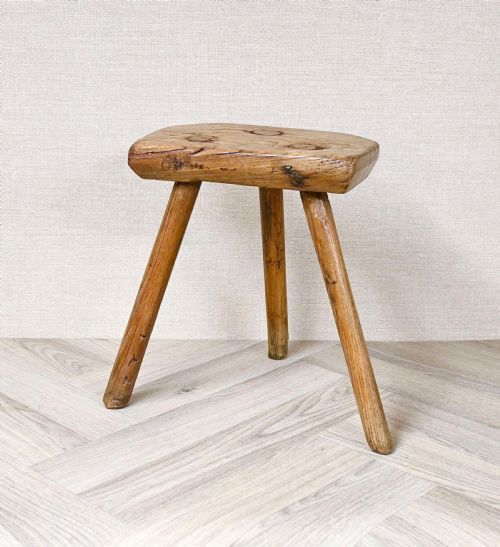

Antique Plant Stand Stool
An antique plant stand stool is a sturdy elevated surface designed to hold greenery, sculpture, or lamps.
Antique Plant Stand Stool
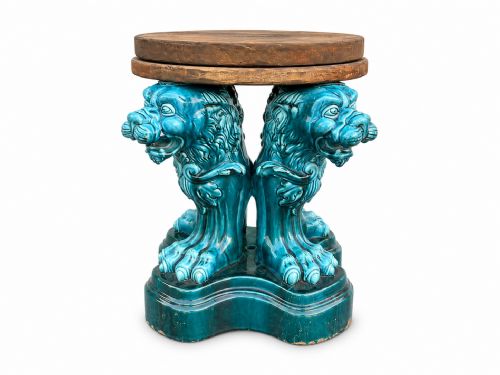
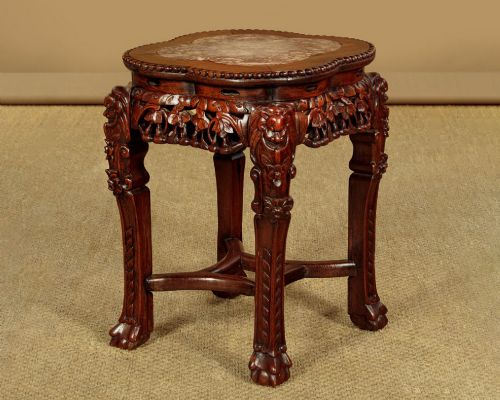
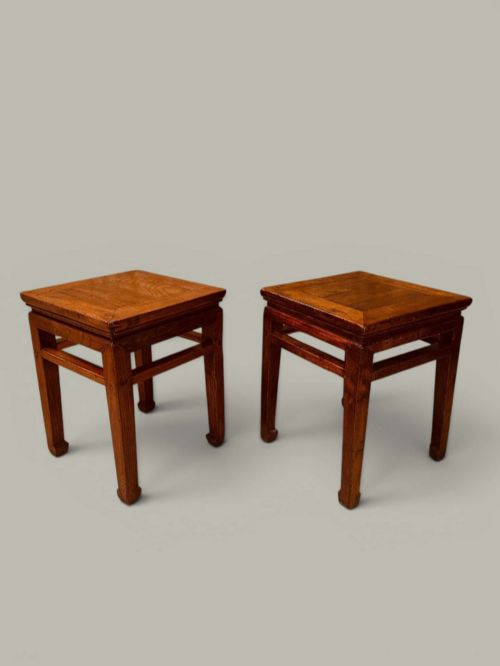
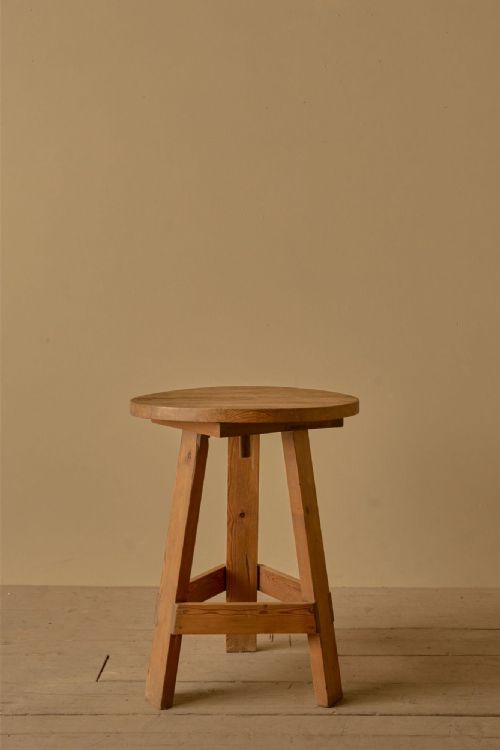
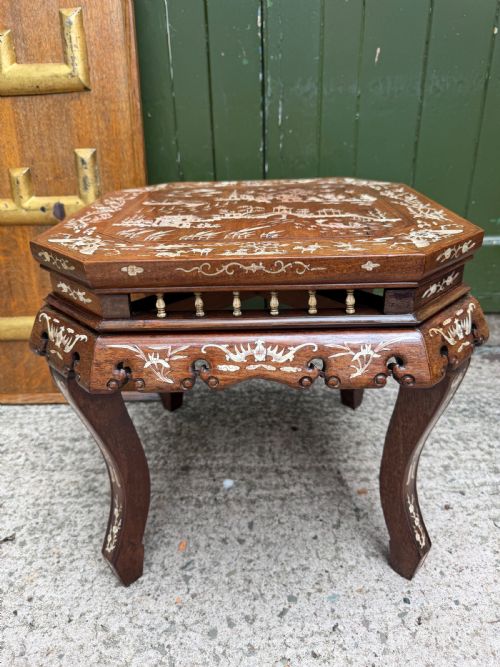
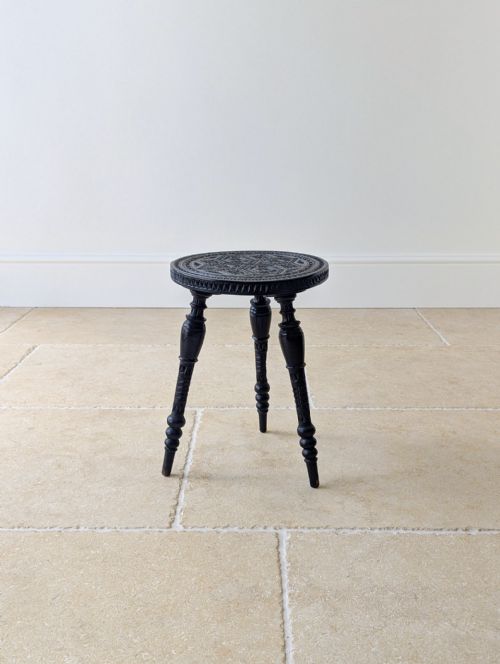
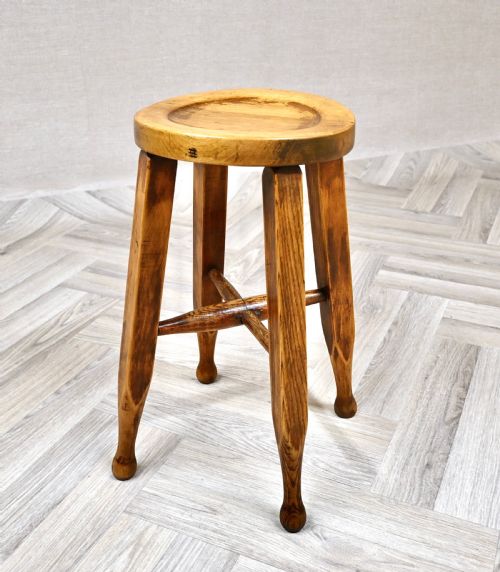
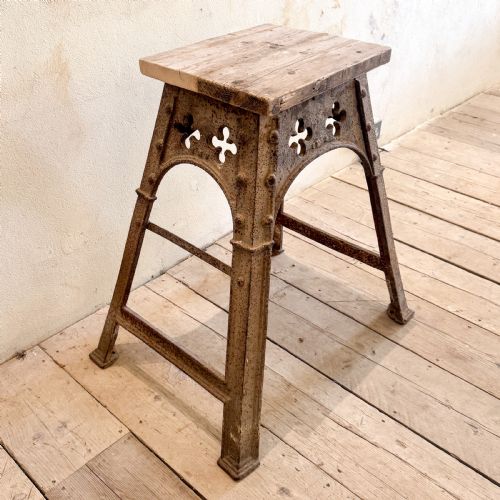
When you search for an antique plant stand stool, you encounter a diverse group of low tables, garden seats, and pedestals serving multiple display purposes. These pieces range from simple rustic milking stools to highly decorative Chinese hardwood stands and Victorian occasional tables.
The nineteenth century yields a large share of the examples seen here, alongside pieces from the eighteenth and early twentieth centuries. Forms shift between tripod bases, jointed oak frames, and low square tables with inset marble or porcelain panels.
Origin points vary widely, spanning English oak workshops, Anglo-Indian centres, and Qing dynasty carvers. Buyers select these items to support heavy planters or to function as low side tables in domestic interiors.
Materials and Construction
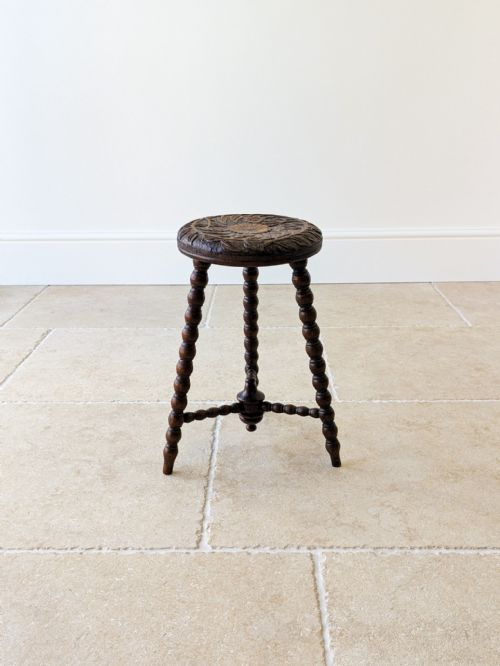
Wood dominates the construction, with oak, walnut, yew, fruitwood, and dense Asian hardwoods appearing across the periods. Joinery techniques include jointed frames, bobbin turnings, and chip-carving applied to surfaces.
Inlaid decoration utilises bone, painted wood, and cloisonne, while top surfaces frequently incorporate marble, quartz, or inset porcelain panels. Ebonised finishes and parcel gilt treatments alter the appearance of standard timbers on Victorian and Japanese export pieces.
Antique Plant Stand Stool Retail Price Guide 2026
Typical asking prices for plant stand stool among the pieces listed under this phrase on Sellingantiques today, from the lower quarter to the upper quarter. They describe what is for sale here now, not the wider market.
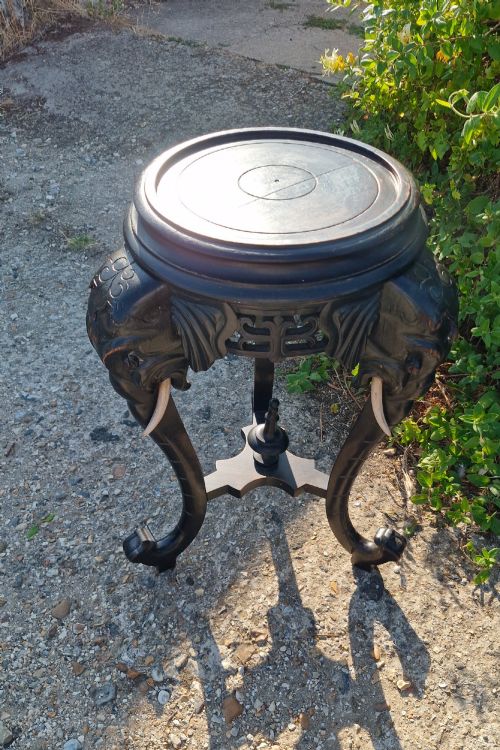
An eccentric Victorian elephant table arrives complete with painted wooden tusks.
Evaluating Execution
Quality rests upon the precision of the carving and the integrity of the joinery. Pieces featuring deep relief work, such as carved elephants or intricate foliage, demand greater skill from the maker than plain turned legs.
The integration of inset materials, including marble slabs, quartz tops, and porcelain panels, dictates the standard of the piece. Firmly fitted joints and stable tripod or four-legged bases separate solid workshop production from casual utility items.
Liberty and Co·Minton
The Antique Plant Stand Stool Glossary
- Joint Stool
- A sturdy wooden stool constructed with mortise and tenon joints, commonly used for seating or as a low platform.
- Ebonised
- Timber treated with a chemical stain or black finish to simulate ebony wood.
- Hongmu
- A category of dense, dark Asian hardwoods used extensively for traditional furniture and display stands.
- Clobbered
- Refers to underglaze blue porcelain or pottery that has been overpainted with additional colours and fired again.
- Tripod Stool
- A freestanding seat or stand supported by three legs for stability on uneven floors.
Antique Plant Stand Stool: Frequently Asked Questions
What is an antique plant stand stool used for?
These elevated surfaces function primarily to hold heavy planters, large ceramic garden seats, or decorative objects above floor level. They also serve as low side tables, lamp stands, or occasional furniture in tight spaces.
Historically, robust versions supported heavy items like marble sculptures or bronze figures. Today, collectors utilise them similarly to elevate greenery or display objects of interest.
How do I date an antique plant stand stool?
Dating relies upon examining the timber species, joinery methods, and decorative styles present on the piece. Nineteenth-century examples often feature machine-sawn components alongside hand-carved details, while eighteenth-century items show entirely hand-worked surfaces.
Stylistic markers such as Jacobean revival turnings, Qing dynasty motifs, or Arts and Crafts simplicity provide further clues to the decade of manufacture. Comparing the hardware and finish to documented workshop pieces confirms the era.
Are these pieces suitable for outdoor use?
Most antique plant stand stools constructed from wood or delicate hardwoods require indoor environments to prevent moisture damage and warping. Garden seats made from glazed ceramics or ironstone tolerate outdoor conditions better if protected from frost.
Exposing antique timber stands to damp garden conditions degrades the joinery and ruins polished or ebonised surfaces. Keep wooden examples indoors where humidity remains stable.
How do I care for marble top stands?
Marble surfaces require regular wiping with a soft, damp cloth and neutral soap to remove dust and prevent staining. Avoid acidic liquids like vinegar or citrus juice, which etch the polished stone surface permanently.
Applying a specialist stone wax helps protect the porous marble from moisture rings left by plant pots. Handle the loose stone tops carefully if removing them for cleaning or transport.