



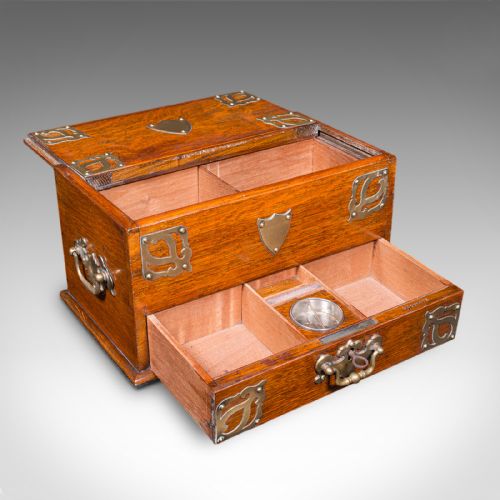


Antique Pipe in Case
These antique pipe in case items bring together fine smoking accessories and their original fitted housings from the Victorian and Edwardian eras.
Antique Pipe in Case
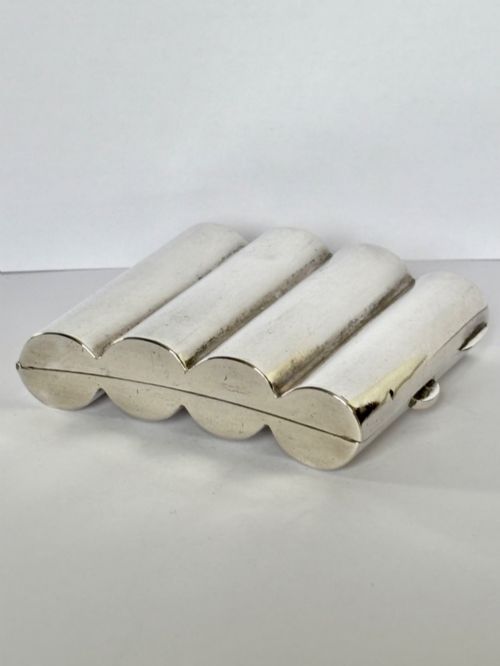
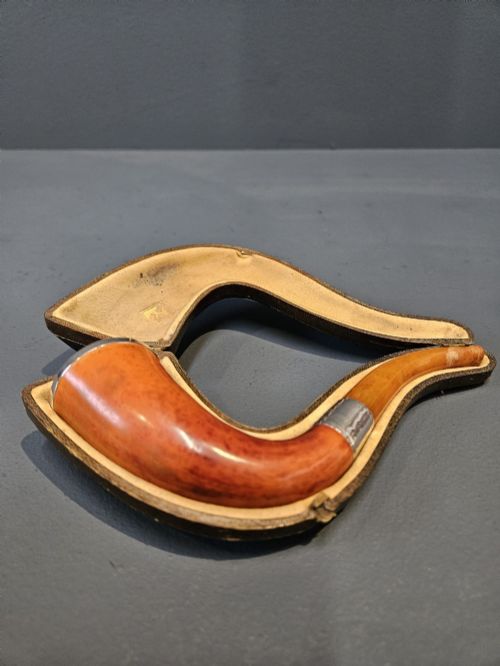
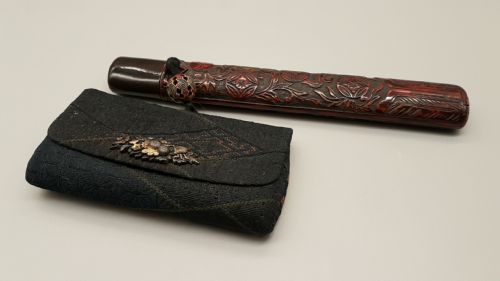
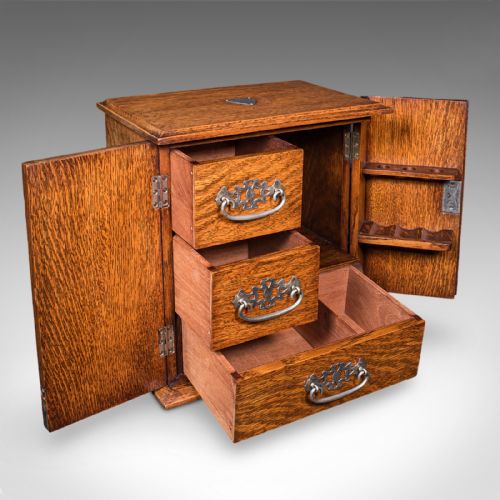
An antique pipe in case search reveals a range of smoking accessories and desk furnishings housed in dedicated protective boxes or fitted pouches. These objects span the nineteenth century and the Edwardian period, incorporating both English smoking cabinets and Japanese tobacco ensembles.
How they were made
Maker techniques rely heavily on carved wood, amber, and meerschaum shaped into detailed motifs such as hunting dogs or figural representations. Craftsmen paired these organic materials with brass, metal, and sterling silver mounts to secure the joints and lips of the pipes and holders.
Cabinets and smoker boxes utilise oak joined with brass hardware, while Japanese smoking ensembles combine woven silk pouches with carved wooden or metal components and ojime beads.
Antique Pipe in Case Retail Price Guide 2026
Typical asking prices for pipe in case among the pieces listed under this phrase on Sellingantiques today, from the lower quarter to the upper quarter. They describe what is for sale here now, not the wider market.
Listings feature items from the Edwardian and Victorian periods, alongside Japanese Meiji and Edo eras.
What varies in quality
Quality rests upon the preservation of the original fitted case and the intricacy of the carving on materials like meerschaum and amber. Pieces that retain their matched silver mounts and velvet interiors display a higher degree of original craftsmanship.
The refinement of detail in figural motifs and the quality of the timber selection in oak cabinets separate standard examples from finer items.
Blumfeld's
The Antique Pipe in Case Glossary
- Meerschaum
- A soft white mineral carved into intricate pipe bowls and cheroot holder motifs. It darkens gradually with use.
- Cheroot holder
- A slim tube designed to hold a small open-ended cigar while smoking. These frequently survive inside fitted leather or velvet cases.
- Ojime
- A small bead used to fasten a traditional Japanese cord on a tobacco pouch or pipe case. They sit between the pouch and the netsuke.
- Netsuke
- A small carved toggle secured to the end of a cord connecting a pipe case or pouch to a kimono sash. They are carved from wood or other traditional materials.
- Smoking cabinet
- A freestanding or desk-mounted wooden box designed to store pipes, tobacco, and related accessories. These often feature brass hinges and locks.
Antique Pipe in Case: Frequently Asked Questions
What is an antique pipe in case?
These items are historical smoking accessories preserved alongside their original fitted boxes, pouches, or protective containers.
They include briar pipes, meerschaum cheroot holders, and Japanese smoking sets designed for safe storage and transport.
How do I date an antique pipe case?
Dating relies on stylistic markers from the Victorian and Edwardian periods, alongside material choices like sterling silver mounts and oak cabinetry.
Japanese pieces often correspond to the Meiji or Edo periods through the construction of their silk pouches and carved ojime.
What materials were used for these pipes?
Carvers utilised briar wood, amber, and meerschaum for the smoking implements themselves. Metals such as sterling silver, brass, and general alloys provided mounts and protective hardware.
Cabinets and boxes make use of solid oak, while Japanese ensembles incorporate silk and carved wood.
How were smoking cabinets used?
Smoking cabinets served as secure desk accessories or lounge furniture to organise pipes, tobacco, and sealing wax.
They kept smoking implements protected from dust and damage in club rooms and domestic studies during the nineteenth and early twentieth centuries.