


Antique Pink Glass Light
These antique pink glass light fixtures bring a warm, coloured glow to a room, spanning Victorian oil lamps and Art Deco chandeliers.
Antique Pink Glass Light
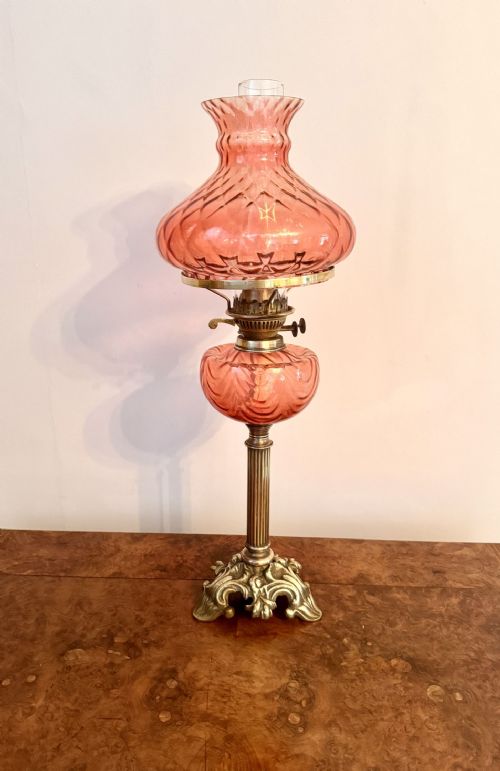
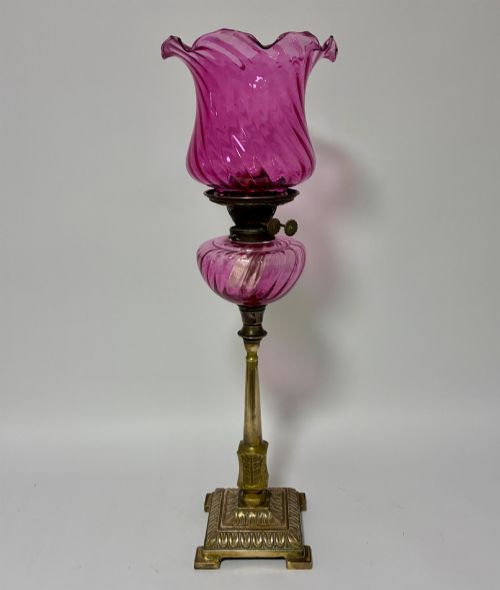
When you search for an antique pink glass light, you encounter a variety of forms rooted primarily in the Victorian and Edwardian periods, stretching into the 1920s and 1930s. The selection ranges from towering oil lamps with matching fonts and shades to multi-armed chandeliers and delicate hanging pendants.
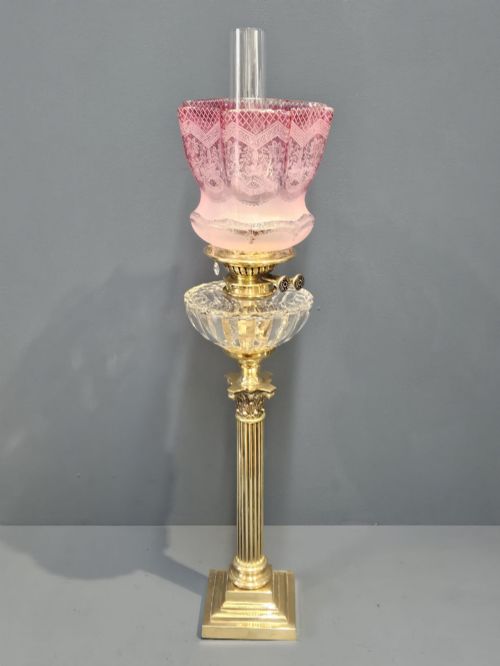
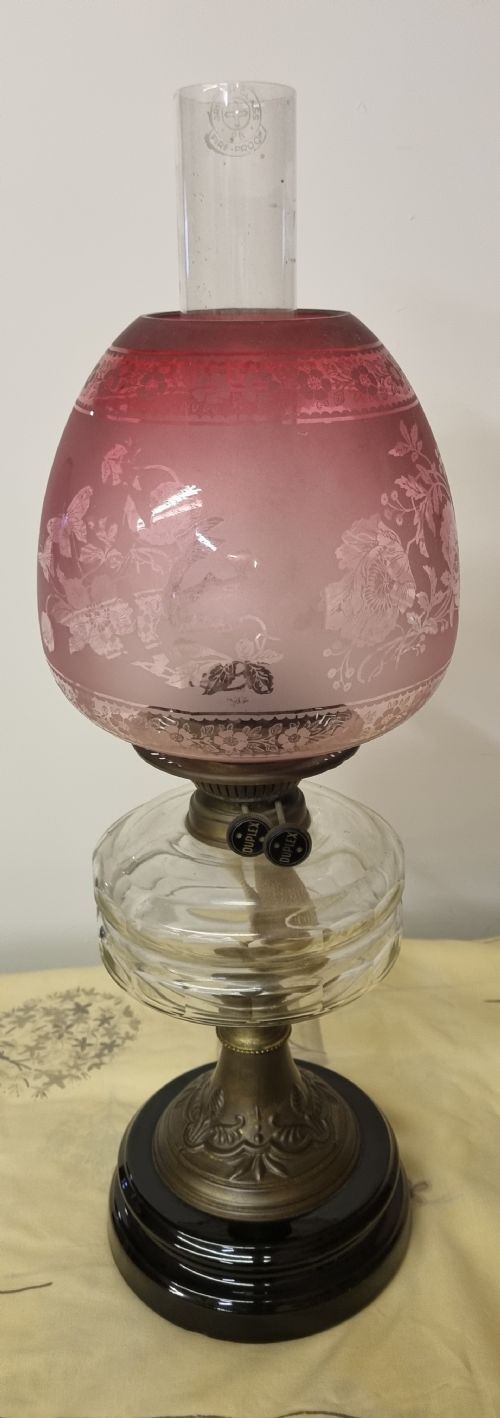
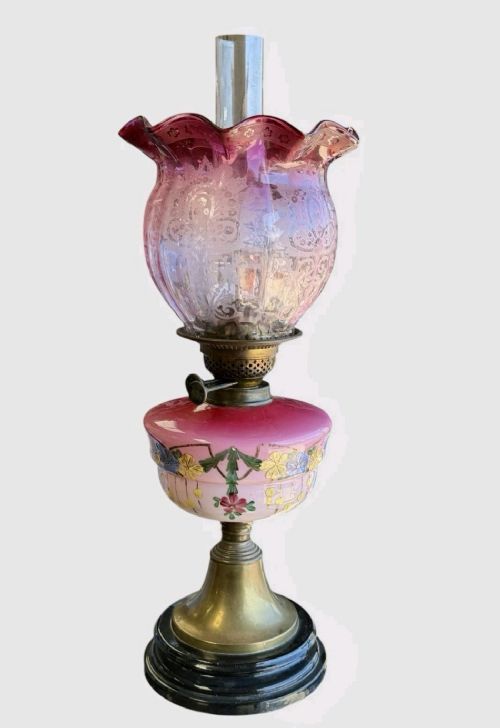
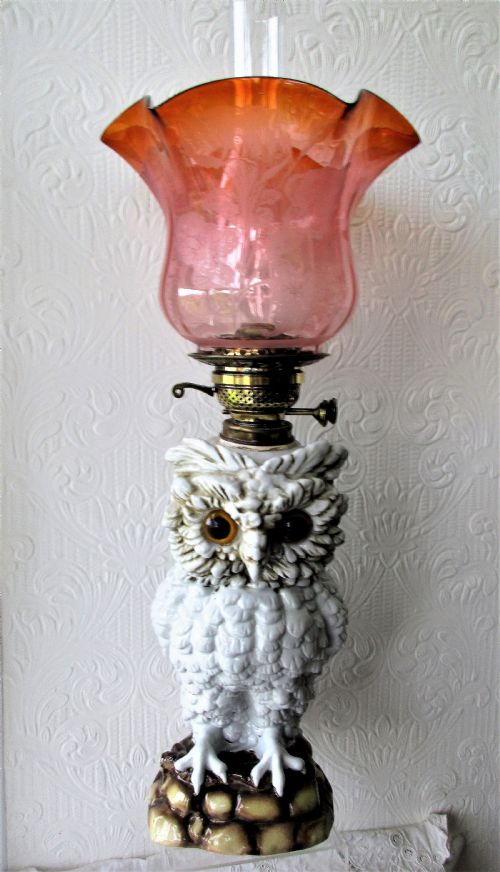
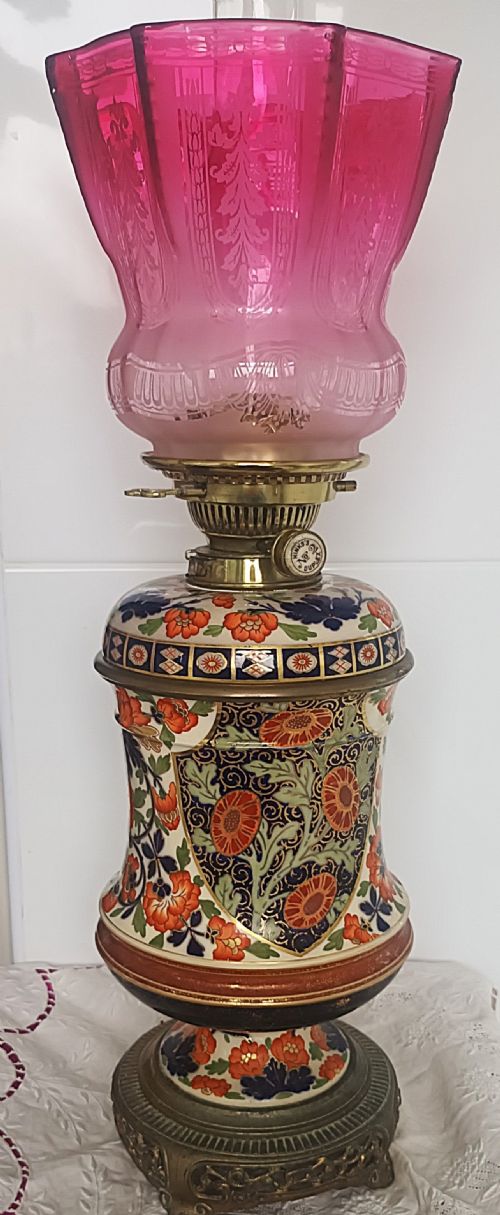
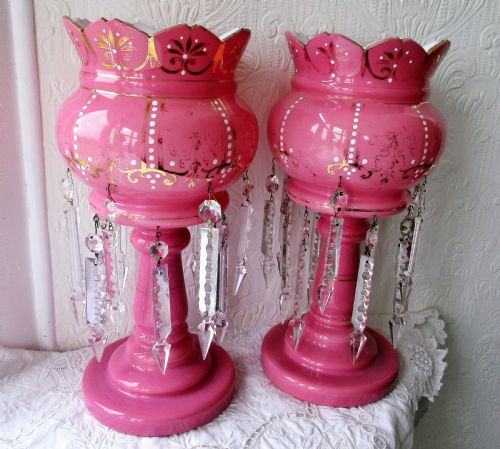
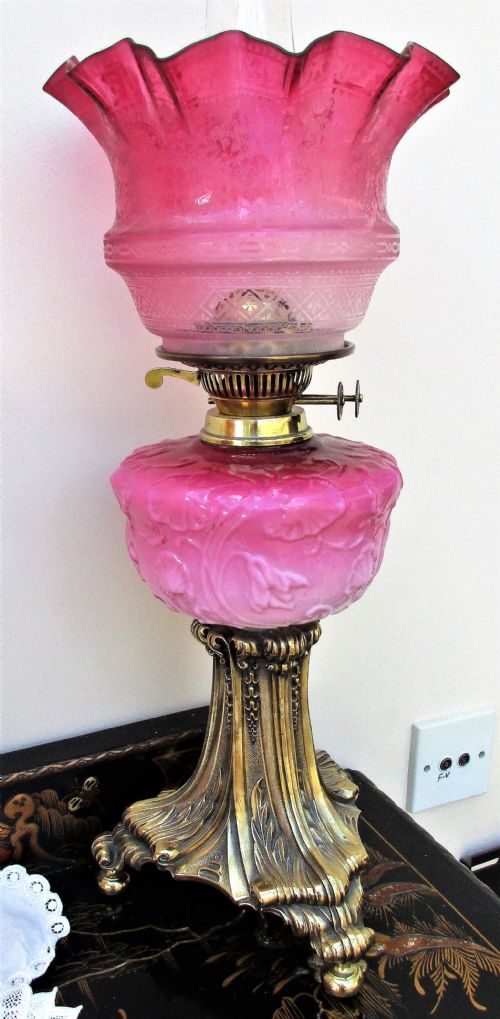
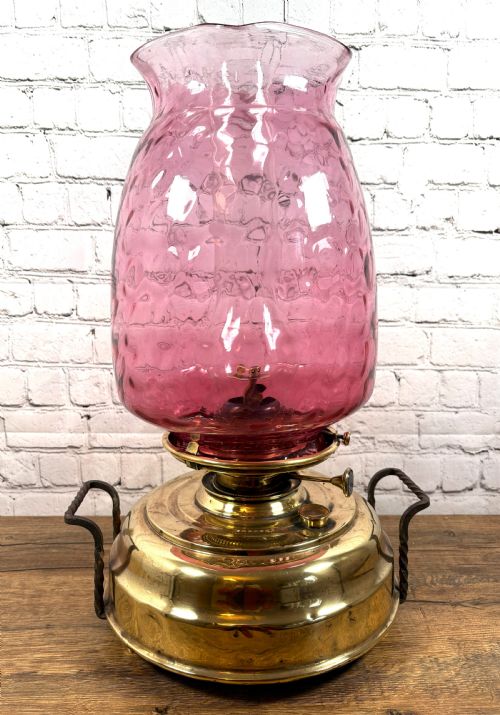
Oil lamps dominate the listings, frequently pairing brass or ceramic bases with cranberry and opaline glass shades. Alongside these functional domestic items sit glass lustres, wall or table fixtures, and grand chandeliers incorporating frosted or crystal components.
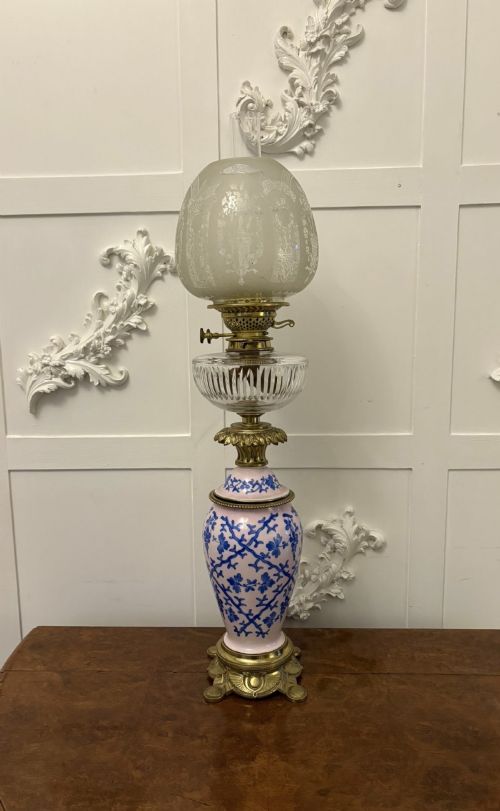
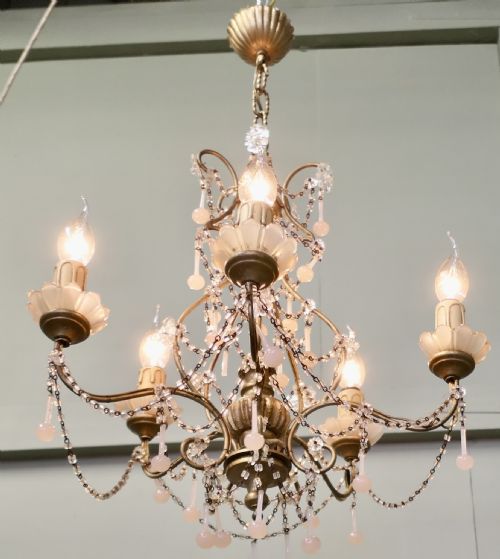
The aesthetic shifts from ornate Victorian and Edwardian brass work with hand-painted porcelain to the clean geometric lines of Art Deco chandeliers. French and Italian influences appear regularly in the finer multi-light fittings and chandeliers.
Materials and construction methods
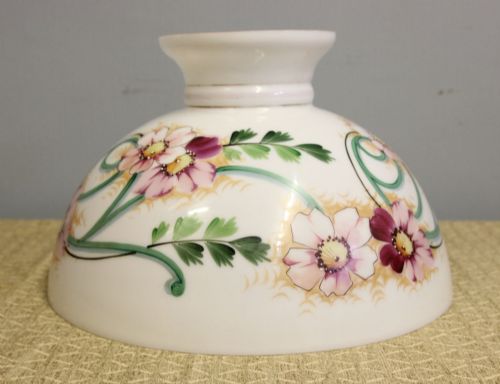
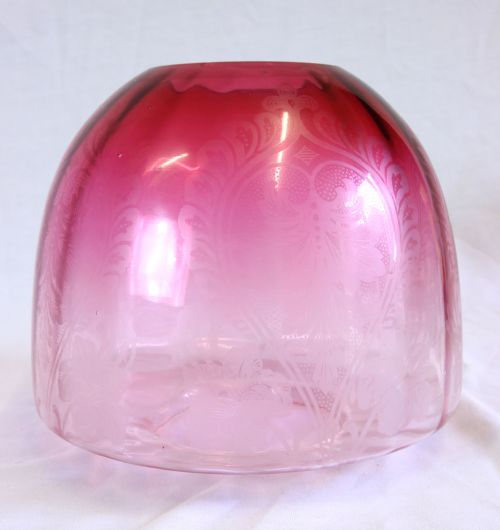
Makers utilised coloured glass formulas, notably cranberry glass and opaque pink opaline, shaped by blowing or moulding into specific lamp shades, vessels and lustres. Lustres and decorative shades often received hand-painted enamel details or gilt decoration fired onto the glass surface.
Metalwork forms the structural backbone of these pieces, with heavy cast brass, marble and spelter providing the necessary weight for table lamps, telescopic floor standards and elaborate chandeliers. Fittings frequently combine brass burners, collars and galleries with porcelain columns and crystal drops.
Listings feature pink glass lighting across Victorian, Edwardian, and Art Deco periods, utilising brass, cranberry glass, and porcelain.
Distinctions in manufacture and finish
The standard of an antique pink glass light rests on the depth and saturation of the glass colour and the crispness of any applied hand-painted enamel or gilt work. Lustres and oil lamp shades with rich cranberry hues and detailed decoration stand well apart from plain commercial production.
Mechanisms and hardware also dictate tier, particularly in adjustable desk and telescopic standard lamps where solid brass fittings, weighted bases and intact original burners demonstrate superior original workshop assembly.
Taylor Tunnicliff·Sitzendorf
The Antique Pink Glass Light Glossary
- Cranberry Glass
- A rich transparent pink glass created by adding gold chloride to the molten batch. It is widely seen in Victorian lamp shades and lustres.
- Opaline Glass
- An opaque pale glass, frequently tinted pink, used for decorative lamp shades and oil lamp vessels during the nineteenth and early twentieth centuries.
- Lustre
- A mantel ornament made of glass featuring hanging crystal prisms around the rim. These frequently match the colour and period of contemporary lighting.
- Font
- The oil reservoir section of a lamp, often fashioned from pink glass, porcelain, or brass to sit atop a matching column.
- Gallery
- The metal ring fitted with screws that securely holds a glass lamp shade above the burner.
Antique Pink Glass Light: Frequently Asked Questions
How do I identify a Victorian oil lamp?
Victorian oil lamps typically feature heavy brass or ceramic bases paired with opaque or cranberry glass fonts and matching hand-painted shades. Look for period burner thumb-turns and robust metal collars that secure the glass font to the pedestal.
Many examples from this era display distinct aesthetic influences, ranging from classical Corinthian columns to ornate floral porcelain bodies. The glass components often exhibit deeper colouring and substantial weight compared to later twentieth-century reproductions.
What is the difference between an opaline and cranberry shade?
Opaline glass is opaque and milky in appearance, providing a soft, diffused spread of light from the bulb or burner within. Cranberry glass is transparent and gets its intense pinkish-red hue from the gold content in the glass mixture.
Both materials were utilised extensively across the nineteenth and early twentieth centuries for oil lamps and pendant fixtures. You will frequently find opaline used for pendant lights and painted shades, while cranberry glass is common in faceted shades and lustres.
Can antique oil lamps be converted to electricity?
Many antique oil lamps are converted for modern electrical use to serve as table or desk lamps. This process generally involves running a cord through the internal structure without altering the exterior brass or porcelain body.
When evaluating a converted piece, observe whether the original burner and collar remain intact alongside the glass font. Preserving these original fittings maintains the character and historical integrity of the lamp.
How do I date an art deco chandelier?
Art Deco chandeliers from the 1920s and 1930s favour geometric lines, streamlined metal frameworks, and frosted or opaline glass shades. They move away from the heavy floral ornamentation of the Victorian period towards cleaner structural forms in brass and chrome.
Examine the construction of the frame and the suspension method to determine the era. The glass elements in these pieces are usually moulded rather than hand-blown, reflecting the industrial manufacturing shifts of the period.