





Antique Pine Wall Shelves
Antique pine wall shelves bring honest utility and warm grain to a room, offering practical display space built to last.
Antique Pine Wall Shelves
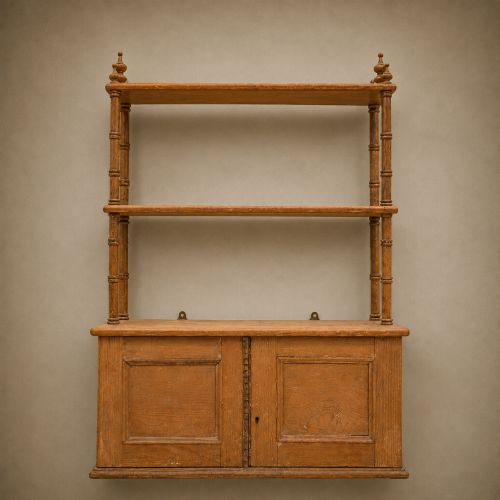
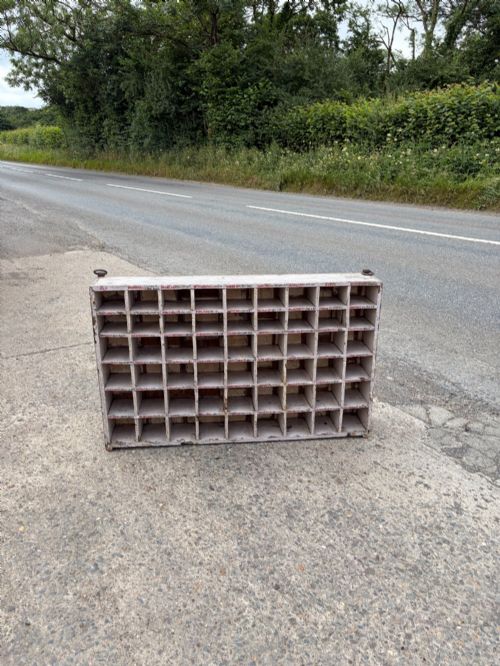
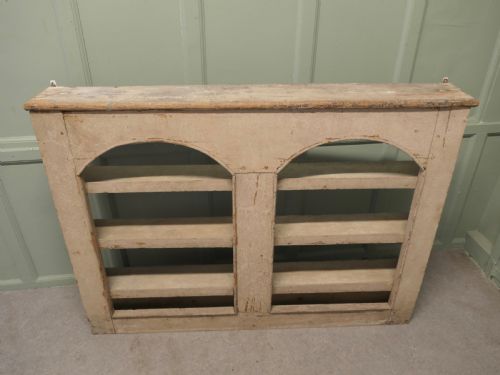
Antique pine wall shelves encompass a range of practical hanging and wall-mounted storage forms, including open book storage, plate racks, and pigeon holes. These pieces served hardworking domestic roles in kitchens, sculleries, and living spaces across past centuries.
The versions most commonly found here date from the eighteenth and nineteenth centuries, spanning Georgian, Victorian, and Edwardian periods. Pieces often reflect vernacular traditions, encompassing English country workshops as well as French provincial and Hungarian variants.
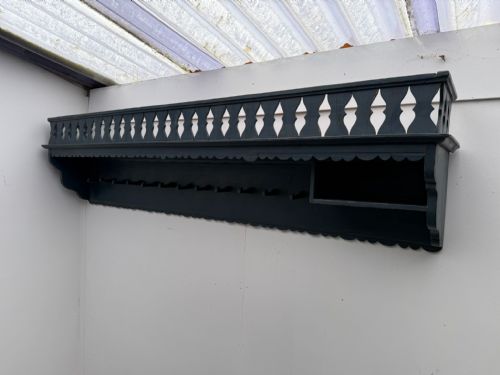
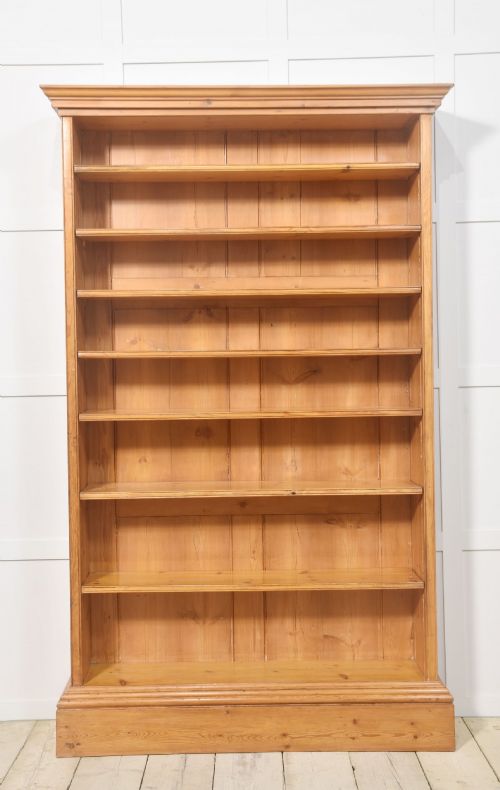
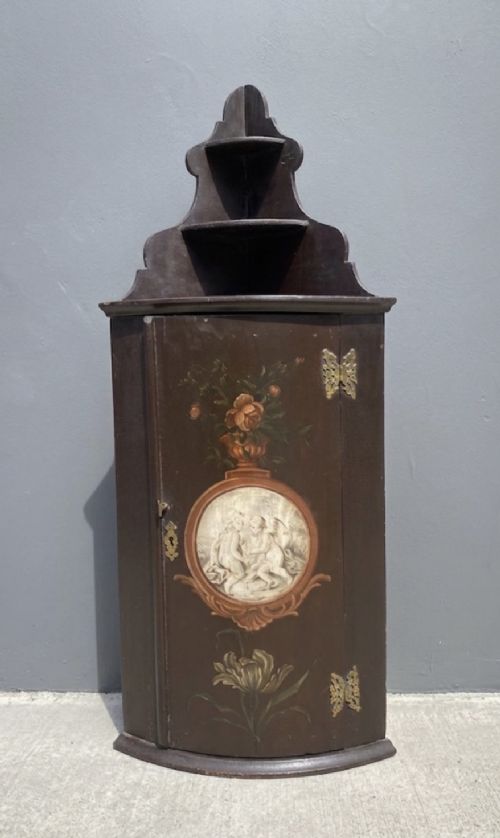
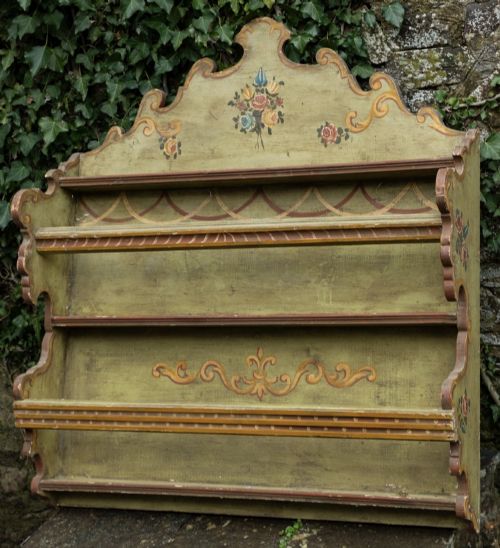
Design ranges from simple boarded hanging shelves to more elaborate units featuring cupboards, fretwork, or decorative paint. They provide an accessible route into period furniture that mounts directly to the wall without claiming floor space.
How they were made
Construction relies primarily on solid pine timbers, sometimes joined with secondary hardwoods or fitted with iron and brass hardware for hanging and support. Boards were hand-sawn or pit-sawn in earlier examples, leaving subtle tool marks that reveal their manual production.
Surfaces were frequently finished with distemper paint, layered historical paint, or left as bare timber that has acquired a deep patina through generations of use. Decorative elements such as carved corbels, fretwork panels, or Corinthian columns added architectural presence to functional storage.
Antique Pine Wall Shelves Retail Price Guide 2026
Typical asking prices for pine wall shelves among the pieces listed under this phrase on Sellingantiques today, from the lower quarter to the upper quarter. They describe what is for sale here now, not the wider market.
Hungarian pine coat racks carry the quiet scent of old wood and distemper paint from distant provincial farmhouses.
What varies in quality
Quality rests on the integrity of the original construction and the survival of untouched surfaces. Pieces retaining their early or original paint finishes command greater interest than those stripped down to bare wood in later decades.
Proportion and architectural detailing distinguish standard utility pieces from finer country workshop examples. The balance of the cornice, the depth of the shelves, and the crispness of any fretwork or turned columns mark the distinction.
The Antique Pine Wall Shelves Glossary
- Delft rack
- A wall-mounted plate rack designed to display ceramics upright against a grooved wooden base, often featuring plate retention rails.
- Distemper paint
- A traditional water-based paint using chalk or pigment bound with animal glue, frequently found on early country furniture.
- Corbel
- A structural bracket projecting from a wall to support a shelf or cornice, sometimes carved with decorative motifs.
- Fretwork
- Openwork ornamentation cut from thin wood boards using a fret saw, adding decorative detail to the crest or sides of a shelf.
Antique Pine Wall Shelves: Frequently Asked Questions
How do I hang antique wall shelves safely?
Heavy antique pine shelves require secure fixing directly into wall studs or masonry using appropriate wall anchors matched to the weight of the timber.
Many older pieces feature original hanging points or heavy brackets that dictate the fixing positions, so measuring these carefully before drilling is essential.
How do I clean an old painted finish?
Painted pine surfaces should be cleaned gently with a dry or barely damp microfiber cloth to remove dust without disturbing fragile historical layers.
Avoid modern chemical solvents or abrasive cleaners entirely, as older distemper and oil paints can soften or lift when exposed to moisture.
Were these shelves made for kitchens?
Many wall-mounted pine racks and plate shelves were built specifically for farmhouses and sculleries to store earthenware plates, herbs, and kitchen utensils.
Other variants served in libraries or parlours as open bookcases and display units for books and decorative objects.
How can I tell an eighteenth-century shelf from a Victorian one?
Eighteenth-century examples often exhibit wider boards, hand-wrought iron nails, and early joinery techniques such as pegged mortise and tenon joints.
Victorian and later pieces tend to show machine-sawn timber uniformity and standardised hardware while maintaining traditional country forms.