

Antique Pine Pantry
An antique pine pantry provides honest storage, bringing utilitarian grace and generous proportions to modern kitchens through time-worn timber.
Antique Pine Pantry
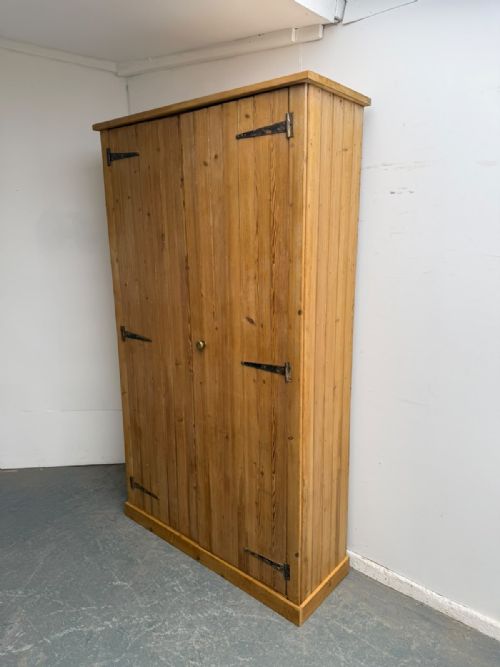
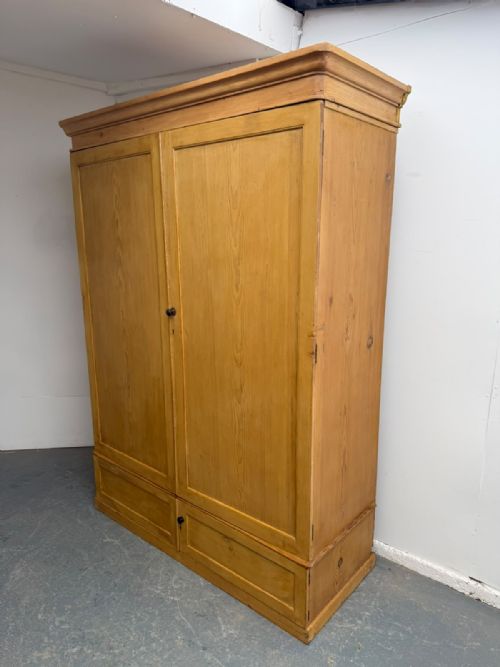
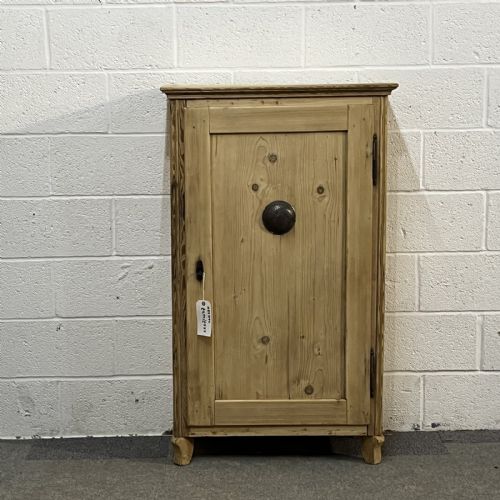
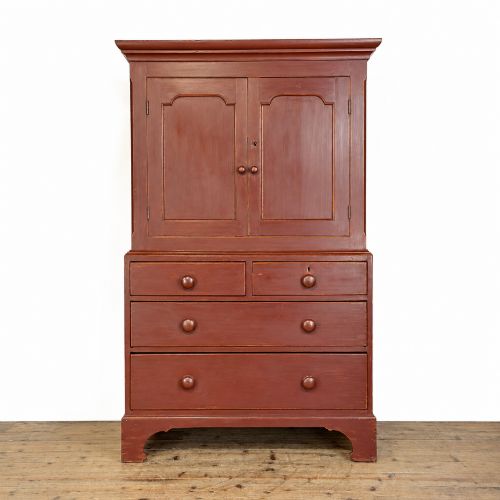
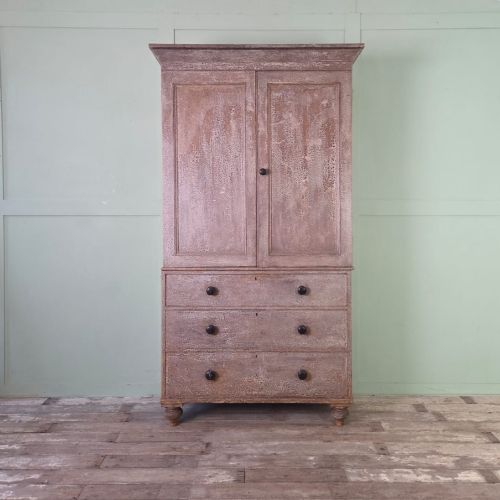
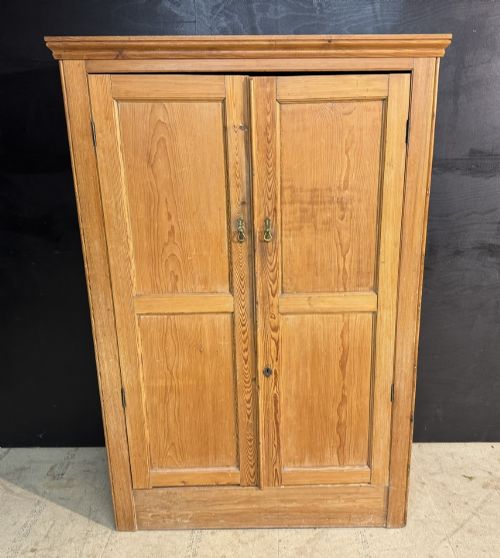
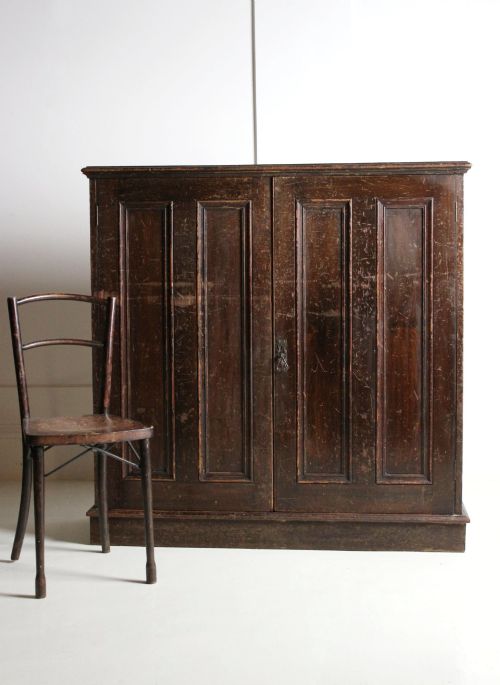
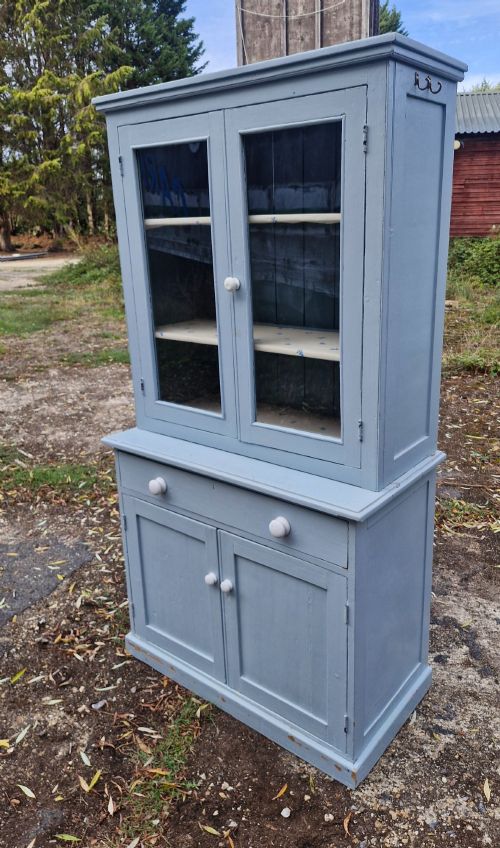
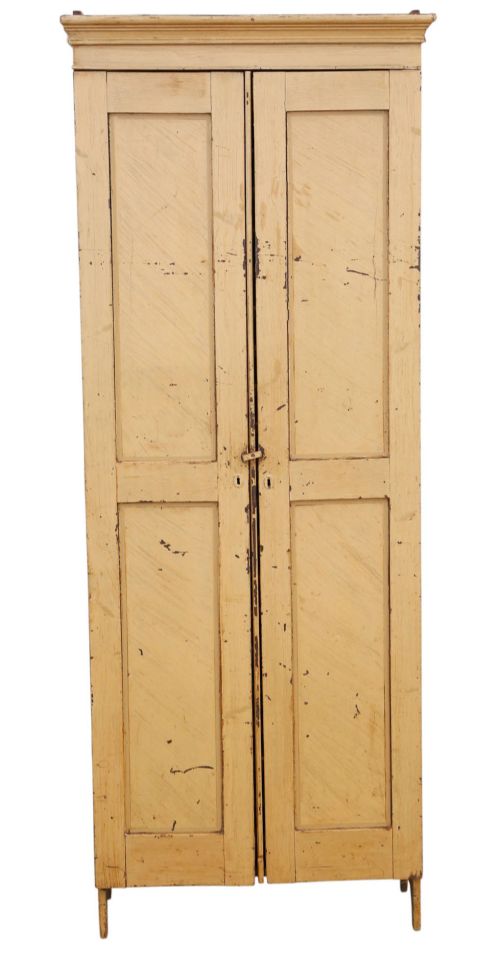
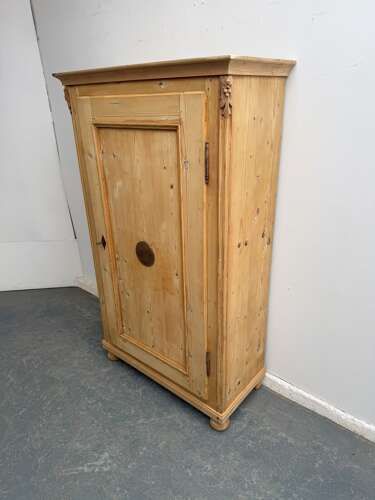
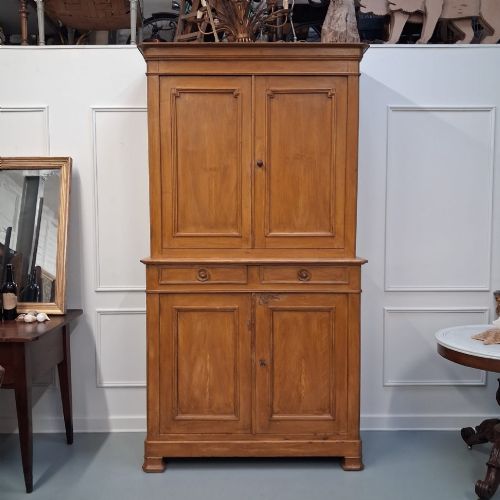
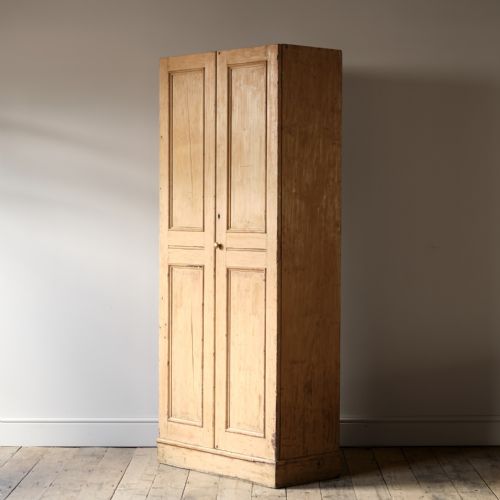
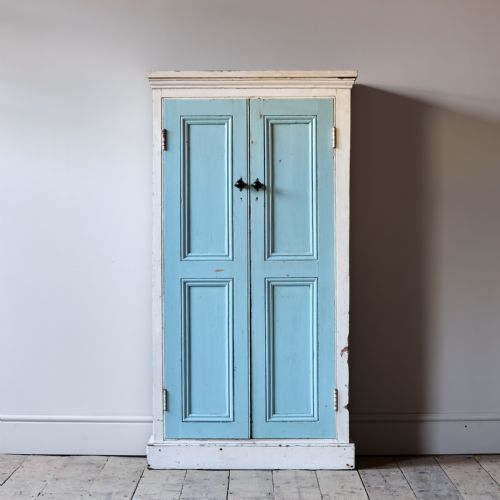
An antique pine pantry serves as a substantial storage piece designed for provisions, appearing primarily across the eighteenth, nineteenth, and early twentieth centuries in various regional forms. Buyers searching this phrase encounter tall housekeeper cupboards, larder cupboards, and bread and cheese cupboards originating from English, French, Scandinavian, and Georgian traditions.
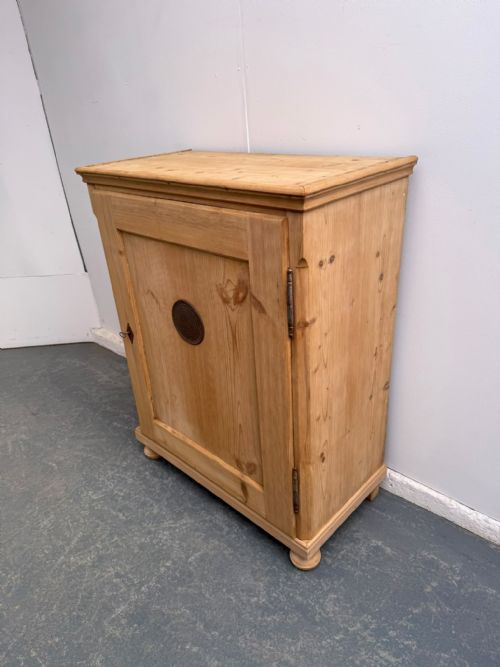
The inventory on this page shows pieces ranging from narrow single-door cabinets to large multi-door storage cupboards and low scrub-top tables. Styles lean heavily towards Victorian country, rustic farmhouse, and provincial workshops where utility dictated form.
Materials and construction methods
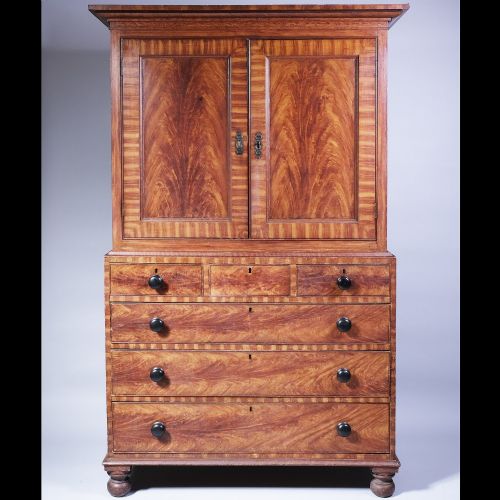
Construction relies upon solid pine timber, often complemented by iron hinges, brass fixtures, and occasionally fruitwood for contrasting tops. Surfaces exhibit either natural waxed finishes or historical coats of paint, including scumble finishes and original paint layers.
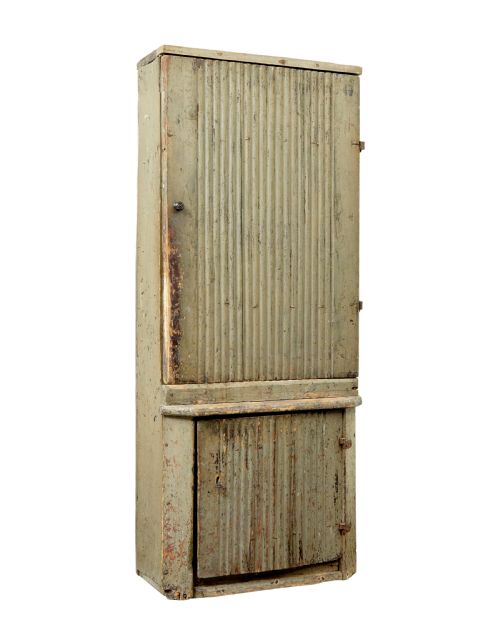
Joinery techniques reflect traditional cabinet-making suited to utilitarian furniture, utilising fielded panels, beaded edges, and vented doors designed to circulate air around stored food provisions.
Antique Pine Pantry Retail Price Guide 2026
Typical asking prices for pine pantry among the pieces listed under this phrase on Sellingantiques today, from the lower quarter to the upper quarter. They describe what is for sale here now, not the wider market.
Listings feature 19th-century and Georgian pieces built from pine, iron, and brass, utilising painted, scumble-painted, and stained finishes.
Distinguishing quality in rustic storage
Quality separates pieces by the integrity of their original structure and the preservation of historic surfaces, such as untouched original paint or scumble work, versus later stripped finishes. Proportion and scale also dictate worth, as well-balanced tall proportions and configuration with original drawers or multiple doors elevate a cabinet above standard utility pieces.
The Antique Pine Pantry Glossary
- Housekeeper cupboard
- A large storage cabinet traditionally used in substantial homes for linen, dry goods, and household stores. These often feature upper shelving sections enclosed by doors.
- Scumble painted
- A decorative painting technique involving layers of translucent glaze manipulated to imitate the grain of more expensive hardwoods. This finish was common on nineteenth-century utility furniture.
- Vented cupboard
- A cabinet featuring pierced, punched, or lattice panels designed to permit airflow. These were essential for keeping dairy, bread, and provisions fresh before refrigeration.
- Fielded panel
- A central wood panel with bevelled or thinned edges designed to fit securely into a surrounding frame. This traditional construction method accommodates the natural expansion and contraction of pine timber.
- Scrub top
- A plain wooden table top designed to withstand rigorous daily scouring with water and stone. This surface texture is characteristic of utilitarian kitchen and pantry work tables.
Antique Pine Pantry: Frequently Asked Questions
What is an antique pine pantry?
An antique pine pantry is a utilitarian storage cabinet built to hold food, provisions, or household goods in domestic settings. These pieces date predominantly from the eighteenth and nineteenth centuries.
They reflect regional vernacular designs from Britain, France, and Scandinavia, utilising local pine timbers and practical configurations like shelves, drawers, and ventilated doors.
How were pine pantries used?
These cupboards functioned as the primary food storage units in homes before modern refrigeration. Families stored dry goods, breads, cheeses, and linens inside to protect them from pests and dust.
Ventilated doors allowed cool air to circulate around perishable items, while larger housekeeper variants accommodated household linens and stores for domestic staff.
How do I care for an antique pine cupboard?
Maintain painted or waxed pine surfaces by dusting with a dry cloth and avoiding excessive moisture or direct sunlight. Waxed pine benefits from occasional application of traditional beeswax to nourish the timber.
Painted pieces require gentle cleaning without harsh chemical solvents to preserve the integrity of historical paint layers and scumble finishes.
How can I tell the age of a pine pantry?
Dating relies upon examining construction methods, hardware, timber characteristics, and surface treatments. Hand-cut nails, pegged joinery, and primitive hinges generally point towards earlier Georgian and early nineteenth-century origins. Nail types, tool marks, and style evolution from Georgian symmetry to Victorian utilitarian forms help narrow the manufacturing period.