




Antique Pine Cupboard Rack
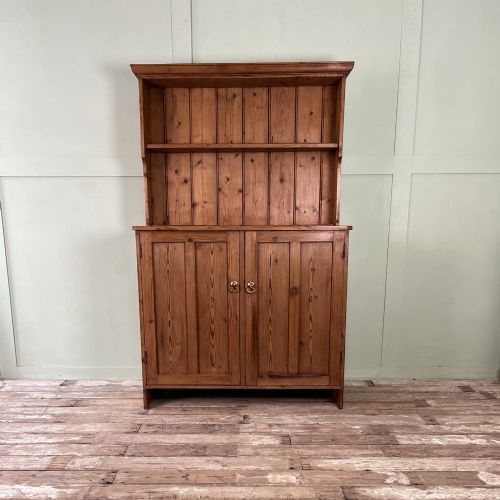
An antique pine cupboard rack brings practical storage and regional character to a room, offering open display shelves above enclosed compartments.
Antique Pine Cupboard Rack
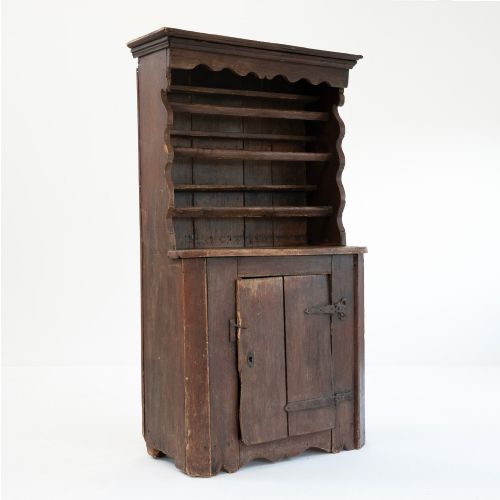
When you search for an antique pine cupboard rack, you find a variety of storage furniture designed for domestic use, predominantly featuring combinations of shelves and cupboards. The pieces on this page span the 18th century, the Victorian era, and around 1900, drawing on regional traditions from English, Welsh, Irish, Scottish, Scandinavian, and West Country makers.
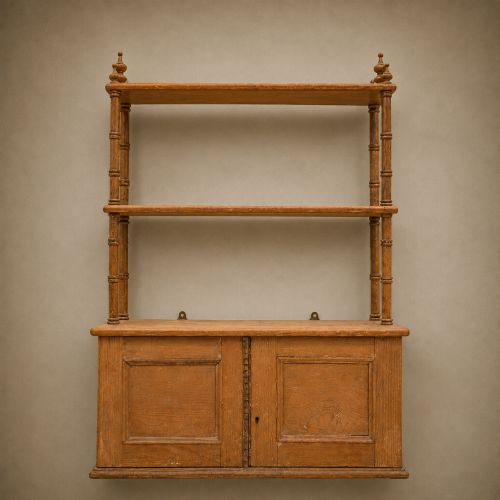
Kitchen dressers and wall shelves form the core of what you meet here, often constructed with painted or stripped pine surfaces. Regional styles such as Welsh country and rustic farmhouse highlight the utilitarian purpose of these items, which served historically to store and display household crockery.
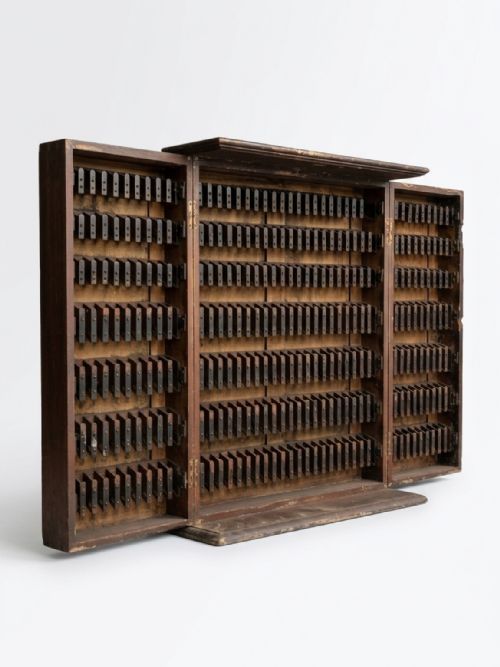
The assortment ranges from small wall-mounted cabinets and rack combinations to large dresser bases with rack tops. Pieces like the pot board dresser and the railway ticket cupboard demonstrate the diverse utilitarian forms that share these display and storage characteristics.
How they were made
Construction relies primarily on pine timbers, sometimes complemented by oak or mahogany elements, assembled using traditional joinery appropriate for domestic furniture. Hardware components incorporate brass and iron, including wrought iron details that reflect the period of manufacture.
Surface finishes vary between natural stripped wood, painted coats often associated with folk art traditions, and aged patinas developed over centuries of use. The integration of cupboard doors and wine rack sections shows how makers adapted basic shelving forms for specific storage needs.
Antique Pine Cupboard Rack Retail Price Guide 2026
Typical asking prices for pine cupboard rack among the pieces listed under this phrase on Sellingantiques today, from the lower quarter to the upper quarter. They describe what is for sale here now, not the wider market.
Some pine cupboards spent their working lives organising railway tickets rather than kitchen plates.
What varies in quality
Quality in these pieces rests on the integrity of the timber, the survival of original painted finishes or honest stripped surfaces, and the balance of proportions between the cupboard base and the upper rack. Regional character and traditional construction methods further distinguish finer examples from standard utility items.
The handling of architectural details, such as breakfront drawer arrangements or folk art painted decoration, indicates the skill of the original maker. The condition of brass and iron hardware also contributes to the overall integrity of the piece.
The Antique Pine Cupboard Rack Glossary
- Pine
- A softwood commonly used for vernacular furniture due to its availability and workability. It takes paint well and develops a rich patina over time.
- Pot board
- A lower open shelf built into a dresser base, traditionally used for storing pots and heavy kitchen utensils.
- Breakfront
- A piece of furniture having a central section that projects forward from the flanking sections. This configuration adds architectural depth to drawer sections.
- Folk art
- Artistic work created from a cultural tradition, often featuring hand-painted surfaces and vernacular motifs found on regional country furniture.
- Vernacular
- Architecture and furniture built by local craftsmen using traditional methods and local materials to meet specific functional needs.
Antique Pine Cupboard Rack: Frequently Asked Questions
What is an antique pine cupboard rack?
It is a piece of vernacular furniture combining open display shelves with enclosed cupboard space, traditionally used in kitchens for storing and displaying crockery.
These items range from wall-mounted shelves to large freestanding dressers with integrated racks, incorporating regional styles from across Britain and Europe.
How do I identify a Welsh dresser?
Welsh dressers typically feature an upper plate rack combined with a lower base containing drawers and cupboards, sometimes including a pot board.
Regional variations such as the Talwrn dresser or pieces incorporating breakfront drawers show specific local building traditions from the 18th and 19th centuries.
Are these pieces painted or stripped?
You will find examples with original or later painted finishes, including folk art decoration, alongside pieces that have been stripped to reveal the natural pine timber.
Both finishes reflect different periods of taste and domestic maintenance over the life of the furniture.
Where were these cupboards used?
They originated as utilitarian storage furniture for farmhouse and cottage kitchens, serving to organise household provisions and tableware.
Today, buyers use them in contemporary kitchens, dining rooms, and living spaces to provide functional storage with historical character.